


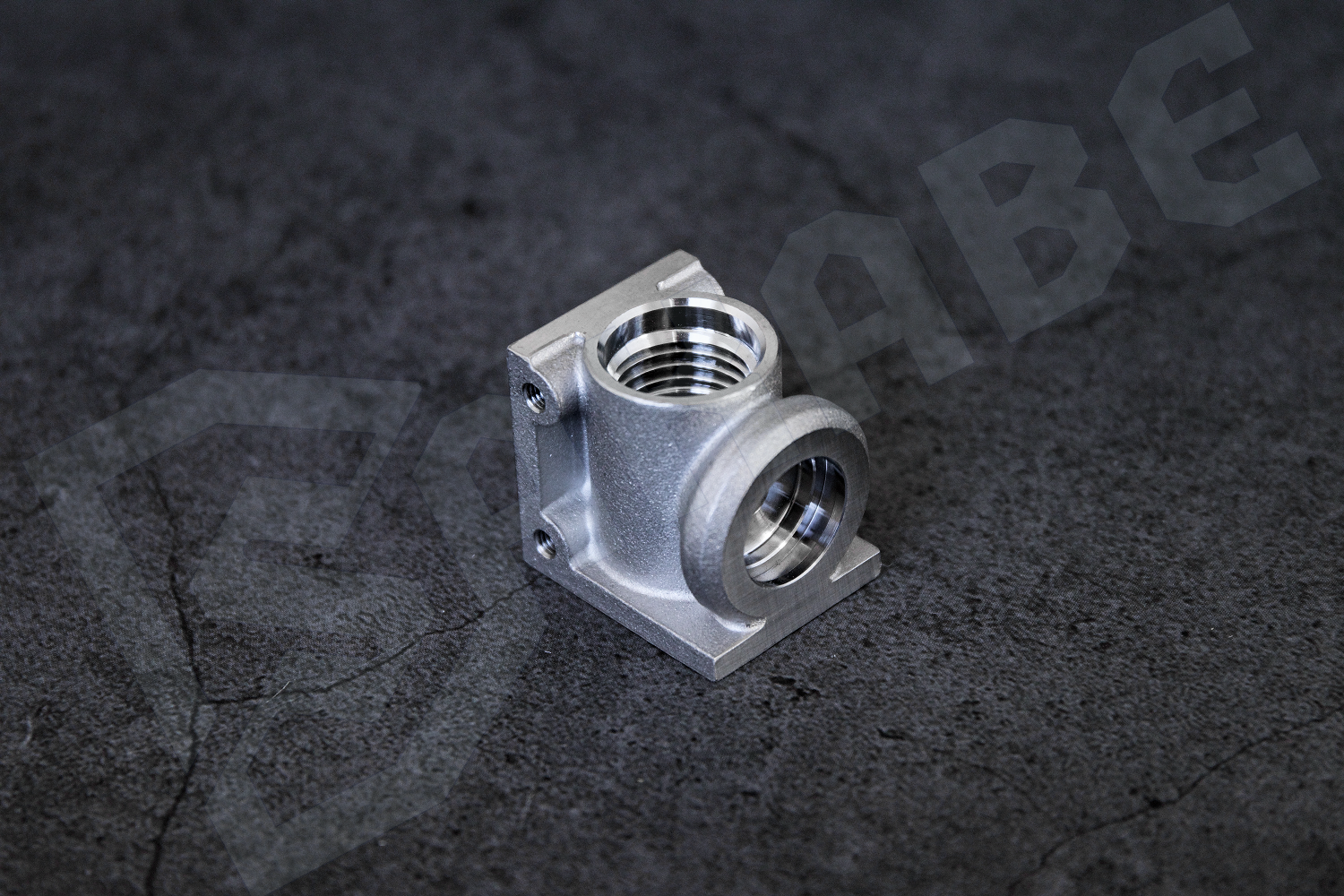
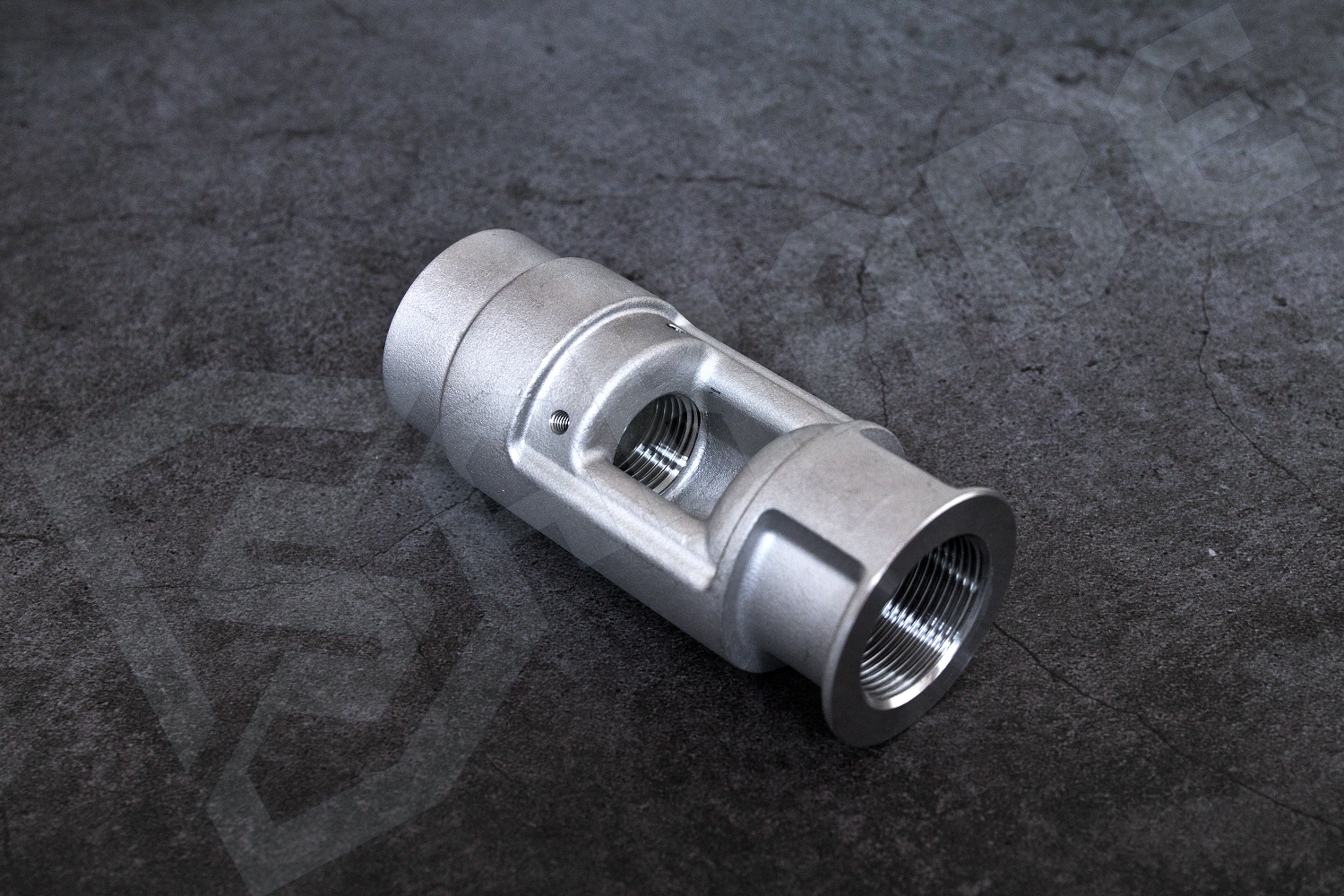
Metal casting is a manufacturing process where molten metal is poured into a mold to create the desired shape. This technique is especially advantageous for creating complex geometries that would be difficult or costly to achieve through other methods. In the context of textile machinery, components such as gears, frames, and specialized parts can be efficiently produced using metal casting.
One of the primary benefits of using metal casting services for textile machine parts is the ability to create highly durable components. The materials typically used in metal casting, such as aluminum, bronze, and iron, exhibit excellent strength-to-weight ratios, making them ideal for the rigorous demands of textile machinery. Furthermore, the casting process allows for the incorporation of intricate features, which can enhance the functionality of parts and improve machine efficiency.
Another significant advantage is the flexibility of designs. With advancements in casting technology, manufacturers can produce a wide range of components in varying sizes and shapes. This adaptability is particularly beneficial for textile machinery, which often requires custom parts to meet specific operational needs. Whether it’s for weaving, spinning, or finishing processes, metal casting services can provide tailored solutions that align with the unique requirements of textile manufacturers.
Quality control is also a pivotal aspect of metal casting services. Reputable casting service providers implement stringent quality assurance protocols throughout the production process. This ensures that each part meets the necessary standards for performance and reliability. Many manufacturers conduct rigorous testing, including dimensional inspections and metallurgical analyses, to validate the integrity of the cast components before they are delivered to clients.
Furthermore, the sustainability of metal casting should not be overlooked. Many modern metal casting operations emphasize recycling and the use of eco-friendly materials, which aligns with the textile industry’s growing commitment to sustainability. By opting for metal casting services, manufacturers not only enhance their production capabilities but also contribute to environmentally responsible practices.
In conclusion, metal casting services for textile machine parts offer a harmonious blend of durability, design flexibility, and quality assurance. As the textile industry continues to evolve, the demand for efficient and reliable components will rise, making metal casting a vital resource for manufacturers. Understanding the benefits and applications of these services enables textile manufacturers to make informed decisions that can enhance their operations and product quality.

Unlocking the Benefits of MIM Casting in Manufacturing
MIM casting is highly efficient, allowing the production of complex shapes that would be challenging or impossible to achieve with traditional machining methods
2024/12/20
What Are the Advantages of Metal Injection Molding
Metal injection molding is an advanced manufacturing process that combines the virtues of traditional injection molding with the capabilities of powder metallurgy
2024/12/20

Essential Components: Understanding Medical Equipment Parts
As technology advances, staying informed about the latest developments in medical equipment parts will be essential for delivering high-quality healthcare
2024/12/20
CONTACT US
Tel: +86 136-5494-1611
E-mail: alexzheng@sakabe.cn
Office Address:
No.18 Dongbei Qi Street, Jinpu New Area, Dalian, Liaoning, China
Factory Address:
No.26 Fuan Street, Jinpu New Area, Dalian, Liaoning, China
