


One key category of textile machine parts includes drive systems, which are responsible for powering the machines. These systems typically consist of motors, belts, gears, and pulleys. Proper maintenance of these components is crucial, as any failure can lead to significant downtime and production losses. Regular checks and timely replacements of worn-out parts ensure that machines operate smoothly and efficiently.
Another important group of parts is the feeding mechanisms. These components help feed raw materials into machines at the correct rate and tension. They are vital for ensuring consistent fabric production quality. Any malfunction in feeding systems can result in uneven fabric width or tension issues, leading to defects in the final product. Thus, manufacturers must pay attention to the upkeep of these parts to ensure optimal performance.
Moreover, textile machine parts also include various sensors and control systems that monitor and regulate the operation of machines. These advanced technologies improve precision in production and allow for real-time adjustments. For instance, sensors can detect fabric defects and automatically halt the machine, preventing further waste. Integrating these technologies into the manufacturing process not only enhances product quality but also increases operational efficiency.
A crucial aspect of maintaining textile machine parts is the importance of using high-quality materials for replacements. Inferior components can lead to frequent breakdowns and increased maintenance costs over time. Therefore, investing in quality parts is essential for the longevity and reliability of textile machinery.
Furthermore, innovation in textile machine parts is continuously progressing. With advancements in materials science and engineering, newer parts are being developed that offer greater durability, reduced friction, and improved performance. Manufacturers should stay informed about these advancements to leverage the latest technologies that can enhance their production capabilities.
In conclusion, textile machine parts are vital for the efficient operation of textile manufacturing processes. From drive systems and feeding mechanisms to sensors and control systems, each component plays a pivotal role in ensuring quality and productivity. By focusing on maintenance, utilizing high-quality materials, and embracing technological advancements, manufacturers can significantly enhance their production processes and deliver superior textile products. Understanding these aspects will ultimately lead to more efficient operations and a better end product in the competitive textile industry.

Enhancing Precision and Efficiency: Dewax Casting for Beverage Machinery Parts
Dewax casting plays an essential role in the manufacturing of beverage machinery parts, providing a method that emphasizes precision, efficiency, and durability
2025/05/20
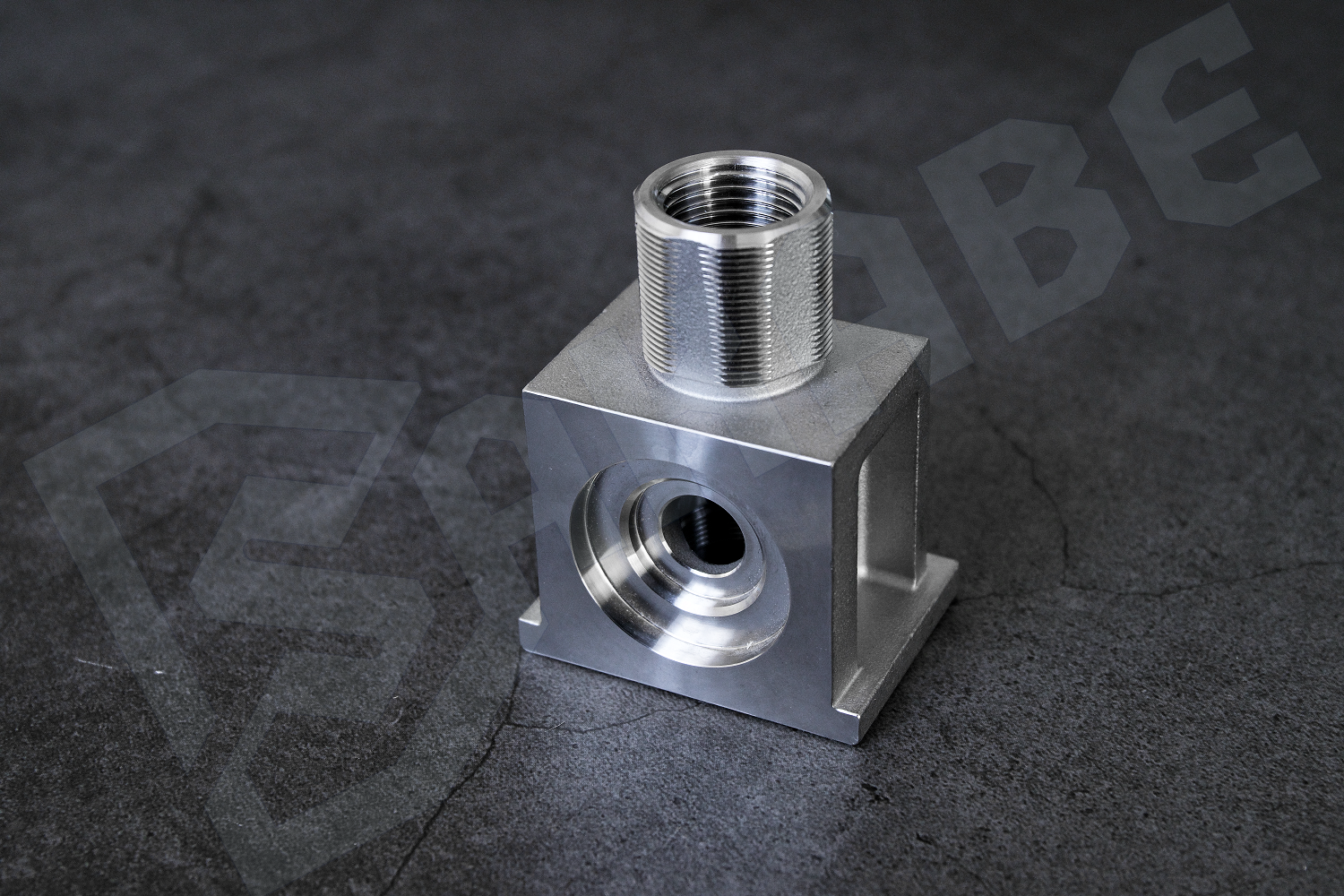
Introduction to Dewax Casting in Food Machinery Components
Dewax casting is an essential manufacturing process that significantly enhances the production of **food machinery components**. Its ability to create precise, intricate designs while ensuring durability makes it a favored choice in the food industry
2025/05/20
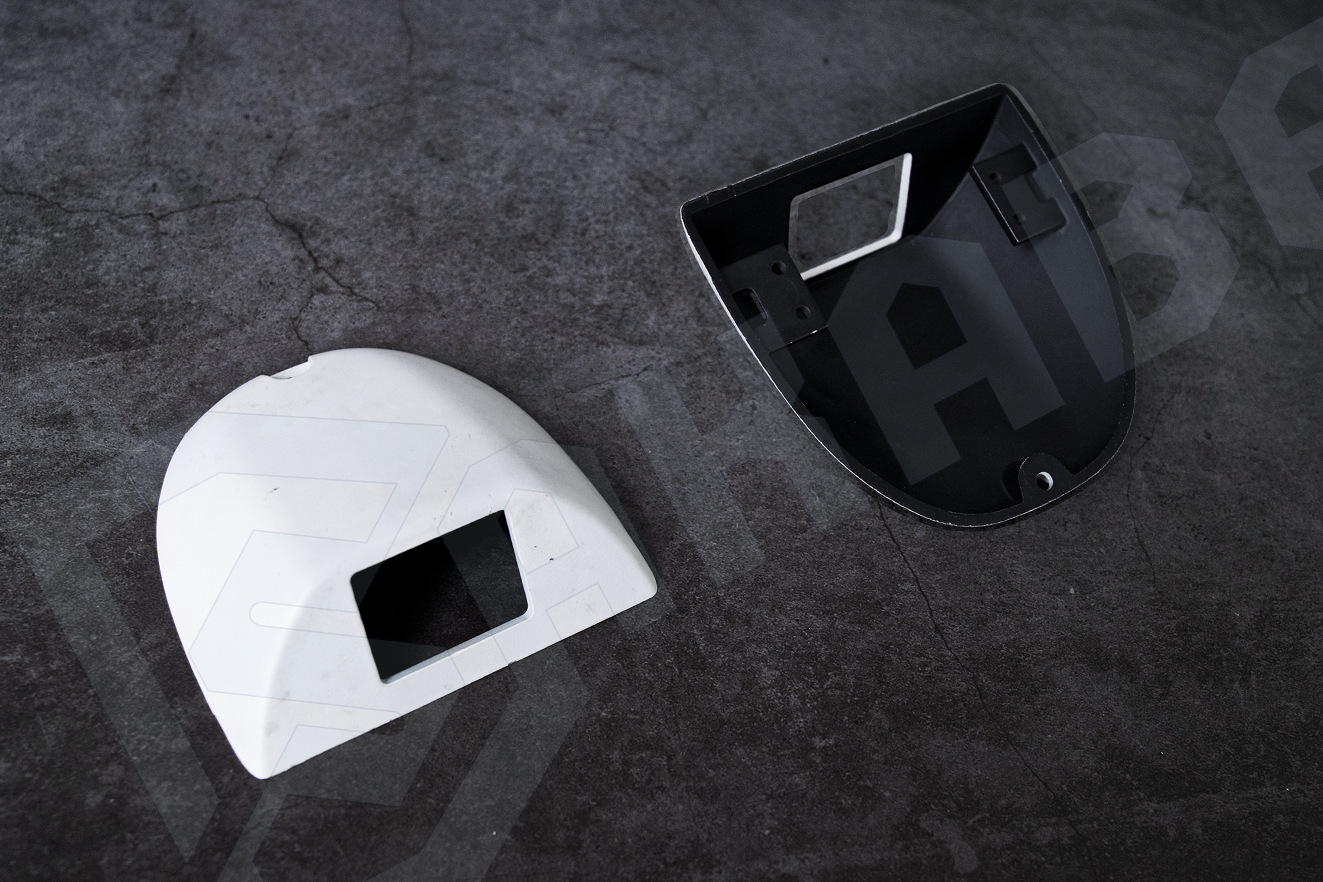
Dewax Casting for Sewing Machine Parts: Precision, Efficiency, and Cost-Effective Production
Dewax casting for sewing machine parts, also known as lost-wax casting, is a sophisticated manufacturing process that is especially beneficial in the production of sewing machine parts
2025/05/20

Understanding the Importance of Dewax Casting in Textile Machinery Manufacturing
Dewax casting for textile machinery parts, a crucial technique in the manufacturing of textile machinery, has garnered increased attention for its significant contribution to production efficiency and product quality
2025/05/15
CONTACT US
Tel: +86 136-5494-1611
E-mail: alexzheng@sakabe.cn
Office Address:
No.18 Dongbei Qi Street, Jinpu New Area, Dalian, Liaoning, China
Factory Address:
No.26 Fuan Street, Jinpu New Area, Dalian, Liaoning, China
