


Understanding food machine parts is integral to the manufacturing and processing industry, particularly in sectors focused on food production. These components are essential for the proper functioning of machinery used in various processes, including mixing, cooking, and packaging. In this guide, we will delve into the importance, types, and maintenance of food machine parts, providing you with a comprehensive overview beneficial for professionals in the field.
Food machine parts can be categorized into several types, depending on their specific functions. Key components include motors, gears, belts, and blades, each playing a critical role in the operation of food machinery. Motors drive the machinery, ensuring that all actions are performed efficiently and accurately. Gears transfer and modify motion, allowing different parts of the machine to operate in harmony. Belts connect components, enabling smooth movement, while blades are crucial for cutting, mixing, or grinding food products.
The significance of food machine parts cannot be overstated. The reliability and efficiency of these components directly influence the overall performance of the machinery. A malfunctioning part can lead to production delays, decreased product quality, and increased operational costs. Therefore, manufacturers must prioritize the quality and durability of these parts when designing or selecting machinery.
When it comes to the maintenance of food machine parts, regular inspections and timely replacements are essential. Manufacturers should establish a routine maintenance schedule to identify wear and tear early on. This proactive approach can prevent unexpected breakdowns and extend the lifespan of the machinery. Additionally, choosing high-quality materials for parts can enhance durability and performance. Regular cleaning and lubrication of moving parts also play a vital role in ensuring smooth operation and minimizing wear.
Furthermore, the evolving landscape of food processing technologies has led to the development of specialized food machine parts designed for specific applications. For instance, parts that are designed to handle delicate items or those required for high-speed production lines have become increasingly common. Staying abreast of these innovations can offer competitive advantages, such as improved efficiency and product quality.
In conclusion, food machine parts are fundamental to the success of the manufacturing and processing sector. Understanding their types, significance, and maintenance practices allows businesses to optimize their operations and ensure the delivery of high-quality products. By prioritizing the selection and upkeep of these components, manufacturers can enhance the reliability and efficiency of their machinery, ultimately contributing to the overall success of their operations.
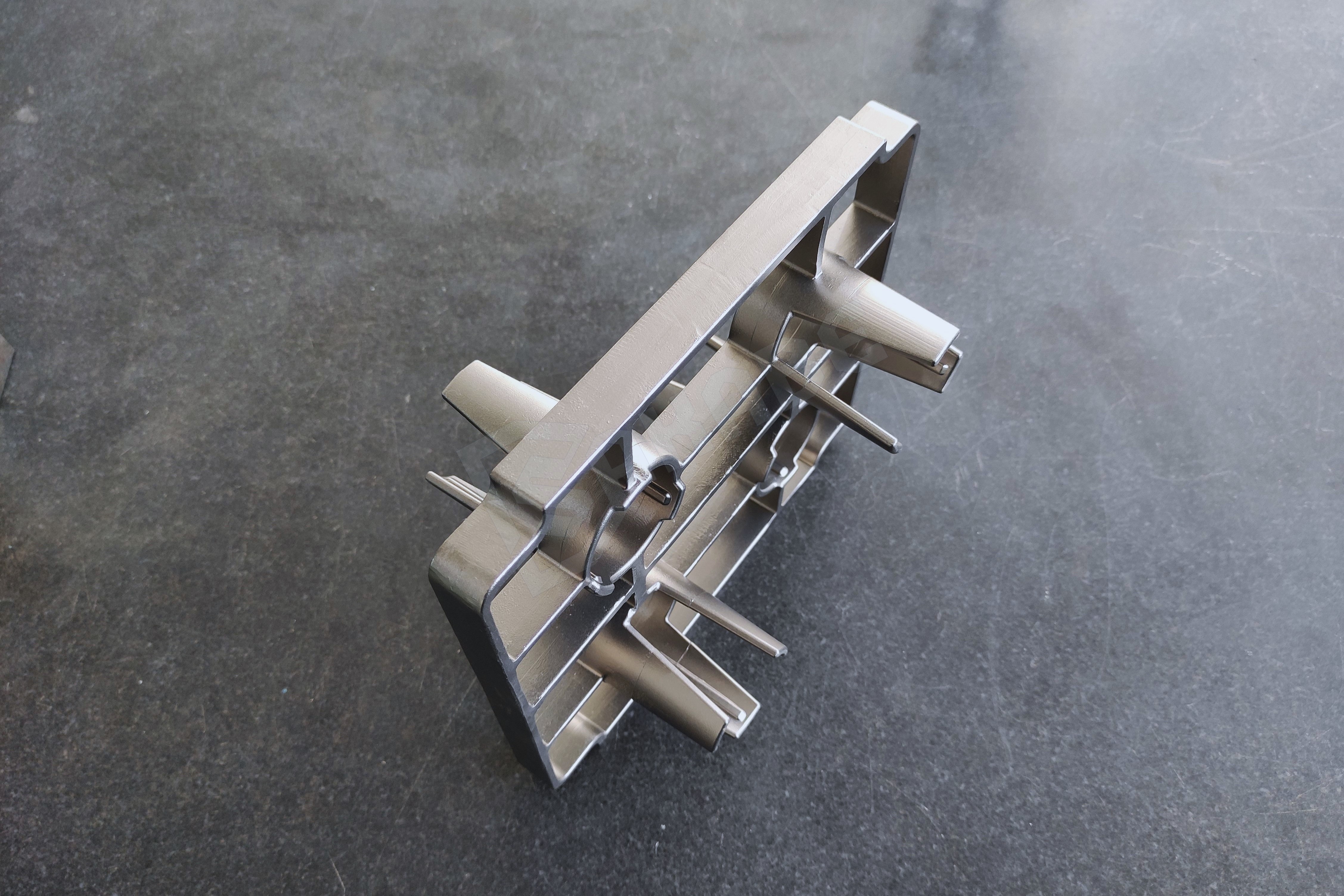
Enhancing Food Machinery with Durable Precision Machining Solutions
Durable Precision machining of food machinery accessories plays an integral role in the food machinery sector by ensuring that equipment is produced with the highest standards of accuracy and reliability
2025/07/23

Unlocking Efficiency: Advanced Precision Casting Techniques in Food Machinery
Advanced precision casting techniques are transforming the landscape of food machinery manufacturing. Their ability to enhance efficiency, quality, and sustainability positions them as a critical factor in the industry’s future
2025/07/23
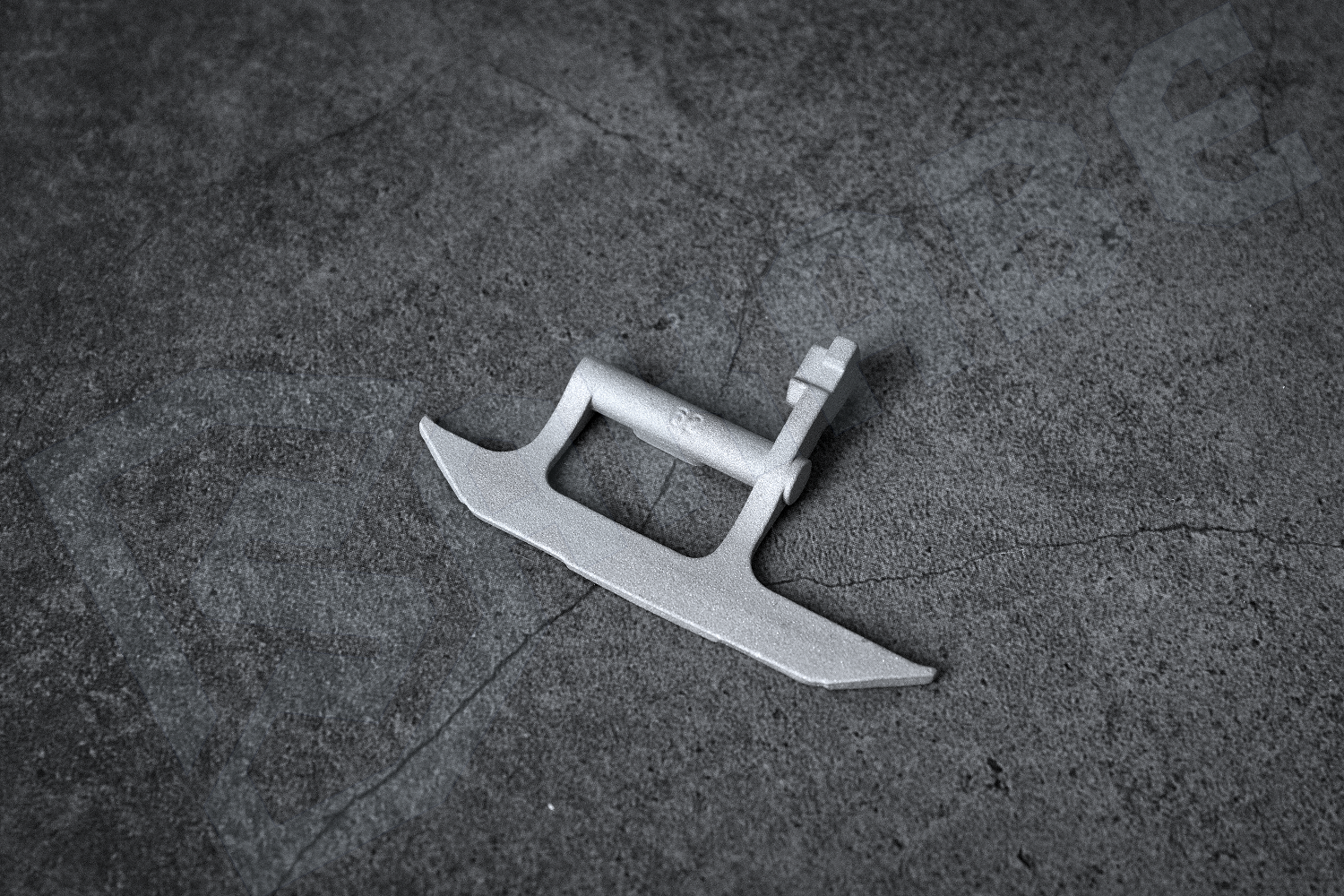
Enhancing Textile Machinery Efficiency through Quality Precision Casting
Quality precision casting is a cornerstone of effective textile machinery manufacturing. By leveraging advanced casting techniques, selecting appropriate materials, and maintaining rigorous quality checks, manufacturers can produce reliable, high-performance machinery components
2025/07/23

Unlocking Efficiency: The Best Casting Techniques for Heat Treatment Material Trays
Optimizing casting techniques for heat treatment material trays is essential for achieving efficiency and quality in manufacturing
2025/07/23
CONTACT US
Tel: +86 136-5494-1611
E-mail: alexzheng@sakabe.cn
Office Address:
No.18 Dongbei Qi Street, Jinpu New Area, Dalian, Liaoning, China
Factory Address:
No.26 Fuan Street, Jinpu New Area, Dalian, Liaoning, China
