


The Backbone of Healthcare: Understanding Medical Tool Parts and Their Impact
When discussing **medical tool parts**, it is essential to recognize their critical role in the healthcare industry. These components serve as the backbone of various medical devices and instruments, ensuring that they operate effectively and safely to provide optimal patient care. The precision and reliability of medical tools are paramount, and understanding their parts helps in appreciating the innovation behind modern healthcare practices.

Medical tool parts can include a wide range of elements, from blades and needles to valves and connectors. Each part is designed with specific materials and engineering to meet strict regulatory standards, ensuring durability and biocompatibility. For instance, surgical instruments typically incorporate stainless steel due to its corrosion resistance and ease of sterilization, while other components may utilize polymers or silicone for flexibility and comfort during patient interaction.
Moreover, the assembly and manufacturing of these parts are subject to rigorous quality control processes. This ensures that every component meets the required specifications for performance and safety. Manufacturers often use advanced technologies such as computer-aided design (CAD) and 3D printing to innovate and improve the efficiency of medical tool production. These technologies enable the creation of highly precise components, which can significantly impact surgical outcomes and patient recovery times.
In addition to the technical aspects, understanding the maintenance and sterilization of medical tool parts is vital. Proper cleaning and sterilization techniques are essential to prevent infections and ensure the longevity of the instruments. Medical professionals must adhere to established protocols, including the use of autoclaves or chemical disinfectants, to maintain the integrity of the tools.
As healthcare continues to evolve, the demand for high-quality and innovative medical tool parts will only increase. Research into new materials and designs is ongoing, focusing on enhancing functionality while ensuring patient safety. For example, advancements in minimally invasive surgical tools often rely on specialized parts that allow for greater precision and reduced recovery times.
In conclusion, the world of medical tool parts encompasses a wide array of components that play a vital role in modern medicine. By understanding the significance of these parts, one can appreciate the intricate relationship between technology and healthcare. Whether you are a healthcare professional or simply interested in the workings of medical devices, recognizing the importance of these components can lead to a greater understanding of how they contribute to effective patient care and technological advancement in the medical field.

How Do Medical Equipment Casting Parts Ensure Precision and Reliability in Healthcare Manufacturing
The production of medical equipment casting parts is a multifaceted process that requires careful consideration of design, materials, and quality assurance
2025/04/21

Top Benefits of Using Quality Flowmeter Casting Parts in Manufacturing
The use of quality flowmeter casting parts is essential for manufacturers seeking to enhance accuracy, reliability, and efficiency in their operations
2025/04/21

How Best Singer Sewing Machine Parts Reshape the Classics
Choosing the best singer sewing machine parts means choosing the ultimate pursuit of quality. These accessories not only improve the overall performance of the sewing machine, but also extend the service life of the equipment invisibly
2025/03/20
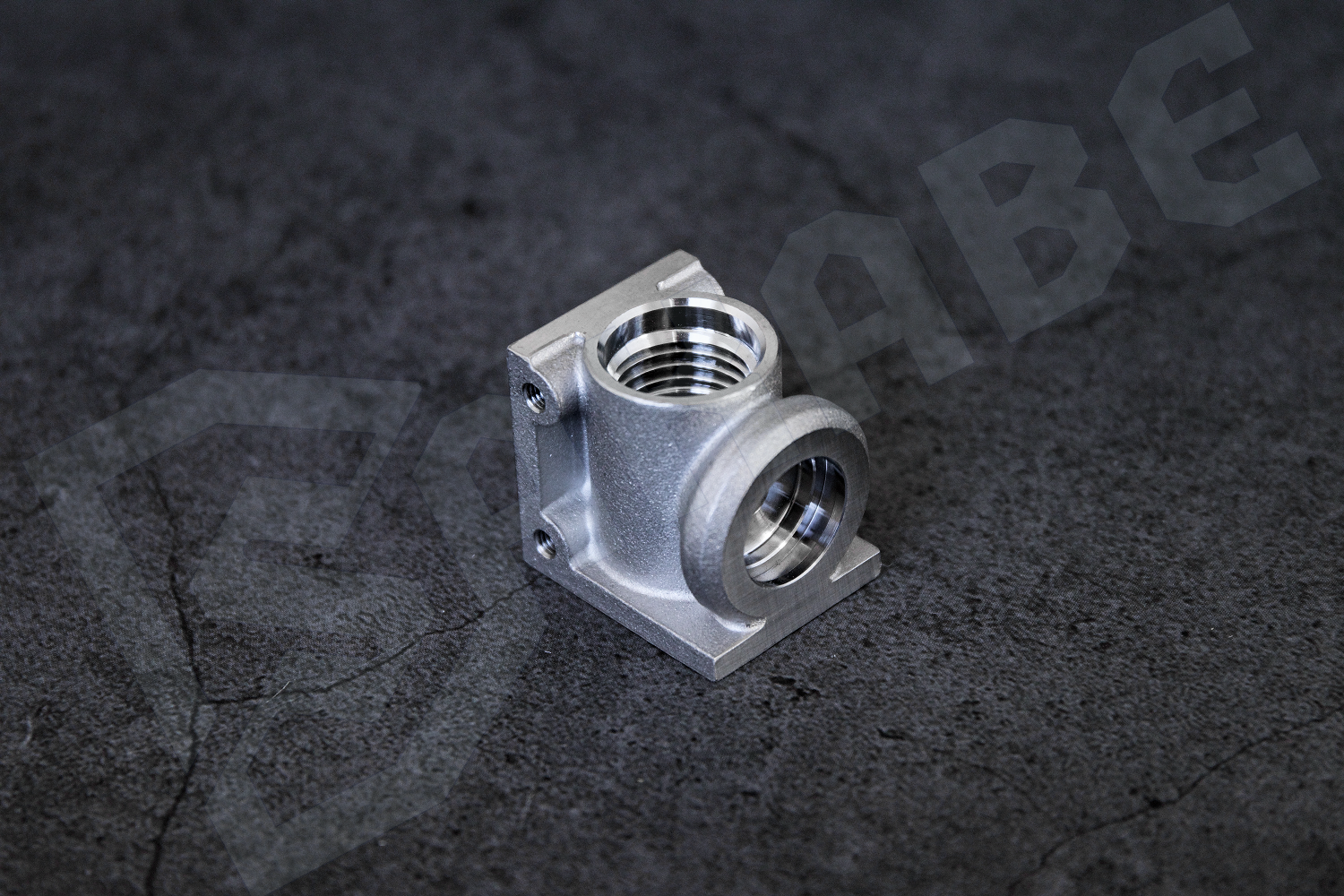
Why MIM Casting Is the Future of Precision Manufacturing
One of the primary benefits of MIM casting is its ability to produce intricate geometries that would be challenging or impossible to achieve through conventional machining methods
2025/03/11
CONTACT US
Tel: +86 136-5494-1611
E-mail: alexzheng@sakabe.cn
Office Address:
No.18 Dongbei Qi Street, Jinpu New Area, Dalian, Liaoning, China
Factory Address:
No.26 Fuan Street, Jinpu New Area, Dalian, Liaoning, China
