


The manufacturing of textile machinery involves a variety of processes, including weaving, knitting, dyeing, and finishing. Each of these processes relies on specific types of machinery, all of which require high-quality casting parts to function effectively. For instance, casting parts may include frames, gears, and housings, all of which need to be robust and precisely engineered. The durability and accuracy of these casting components directly influence the overall efficiency and quality of the textile machinery, making them vital to the production line.
There are several types of casting processes used in the creation of textile machinery parts. Common methods include sand casting, investment casting, and die casting. Sand casting, for instance, is often favored for its cost-effectiveness and versatility, allowing for the production of large and complex parts. Investment casting, on the other hand, is known for its precision and ability to create intricate shapes, making it suitable for parts that require tight tolerances.
The selection of appropriate casting methods and materials is crucial because it impacts not only the performance of the textile machinery but also maintenance and repair costs. High-quality casting parts are designed to reduce the frequency of breakdowns, which can significantly enhance production efficiency. When machinery operates seamlessly, manufacturers can meet demands promptly while maintaining product quality.
Moreover, advancements in technology have led to the development of new materials and techniques that improve the casting process. Innovations such as computer-aided design (CAD) and simulation software enable manufacturers to create more complex designs with improved accuracy. These advancements ensure that casting parts not only meet the required specifications but also adapt to the evolving needs of the textile industry.
In conclusion, textile machinery casting parts are a fundamental component in garment manufacturing, influencing the performance and reliability of production equipment. Their design, material selection, and manufacturing processes demand careful consideration to ensure that textile machinery operates efficiently and effectively. As the industry continues to evolve, staying informed about advancements in casting technologies will be key for manufacturers aiming to improve their production capabilities and maintain competitiveness in the market.

How Do Medical Equipment Casting Parts Ensure Precision and Reliability in Healthcare Manufacturing
The production of medical equipment casting parts is a multifaceted process that requires careful consideration of design, materials, and quality assurance
2025/04/21

Top Benefits of Using Quality Flowmeter Casting Parts in Manufacturing
The use of quality flowmeter casting parts is essential for manufacturers seeking to enhance accuracy, reliability, and efficiency in their operations
2025/04/21

How Best Singer Sewing Machine Parts Reshape the Classics
Choosing the best singer sewing machine parts means choosing the ultimate pursuit of quality. These accessories not only improve the overall performance of the sewing machine, but also extend the service life of the equipment invisibly
2025/03/20
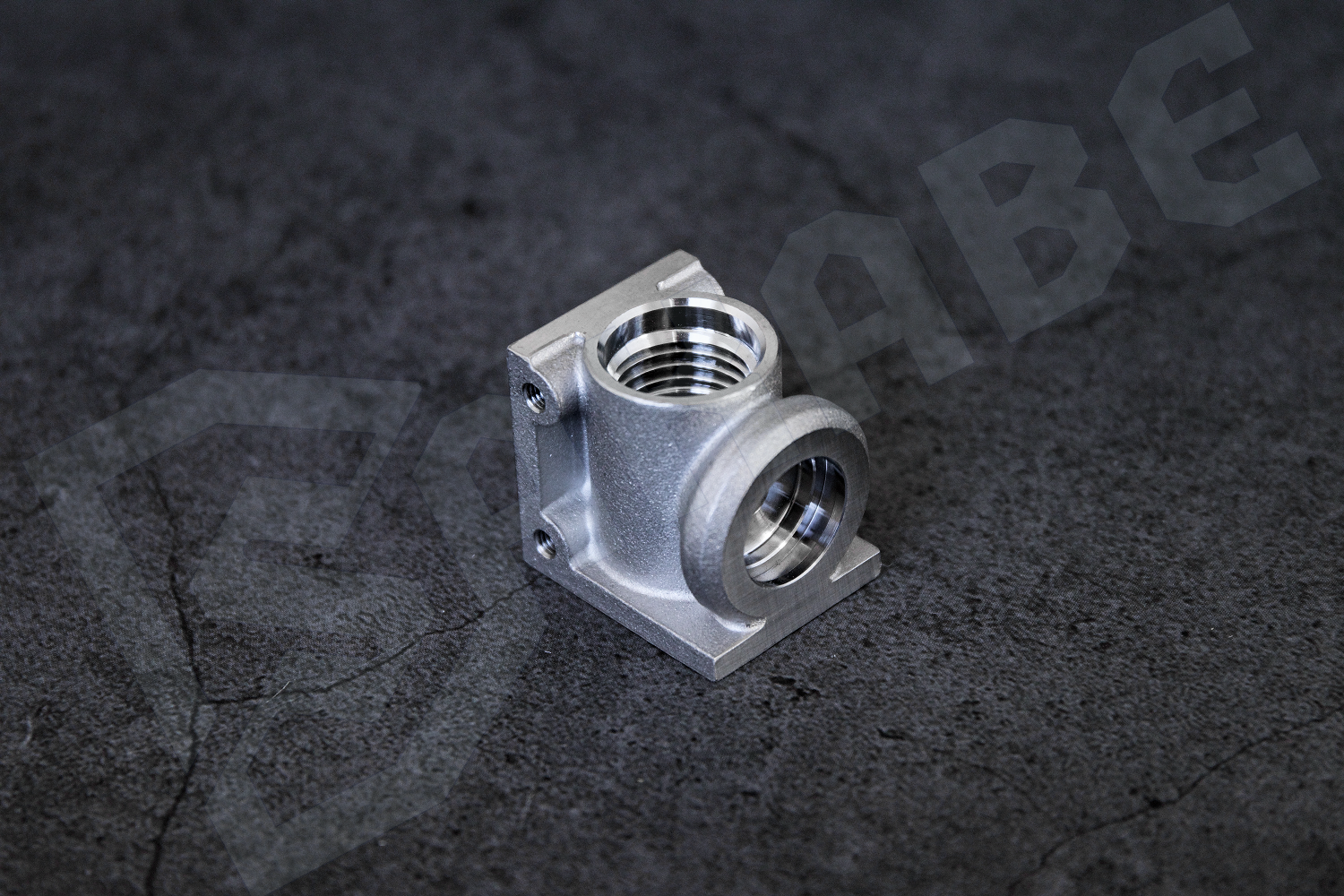
Why MIM Casting Is the Future of Precision Manufacturing
One of the primary benefits of MIM casting is its ability to produce intricate geometries that would be challenging or impossible to achieve through conventional machining methods
2025/03/11
CONTACT US
Tel: +86 136-5494-1611
E-mail: alexzheng@sakabe.cn
Office Address:
No.18 Dongbei Qi Street, Jinpu New Area, Dalian, Liaoning, China
Factory Address:
No.26 Fuan Street, Jinpu New Area, Dalian, Liaoning, China
