

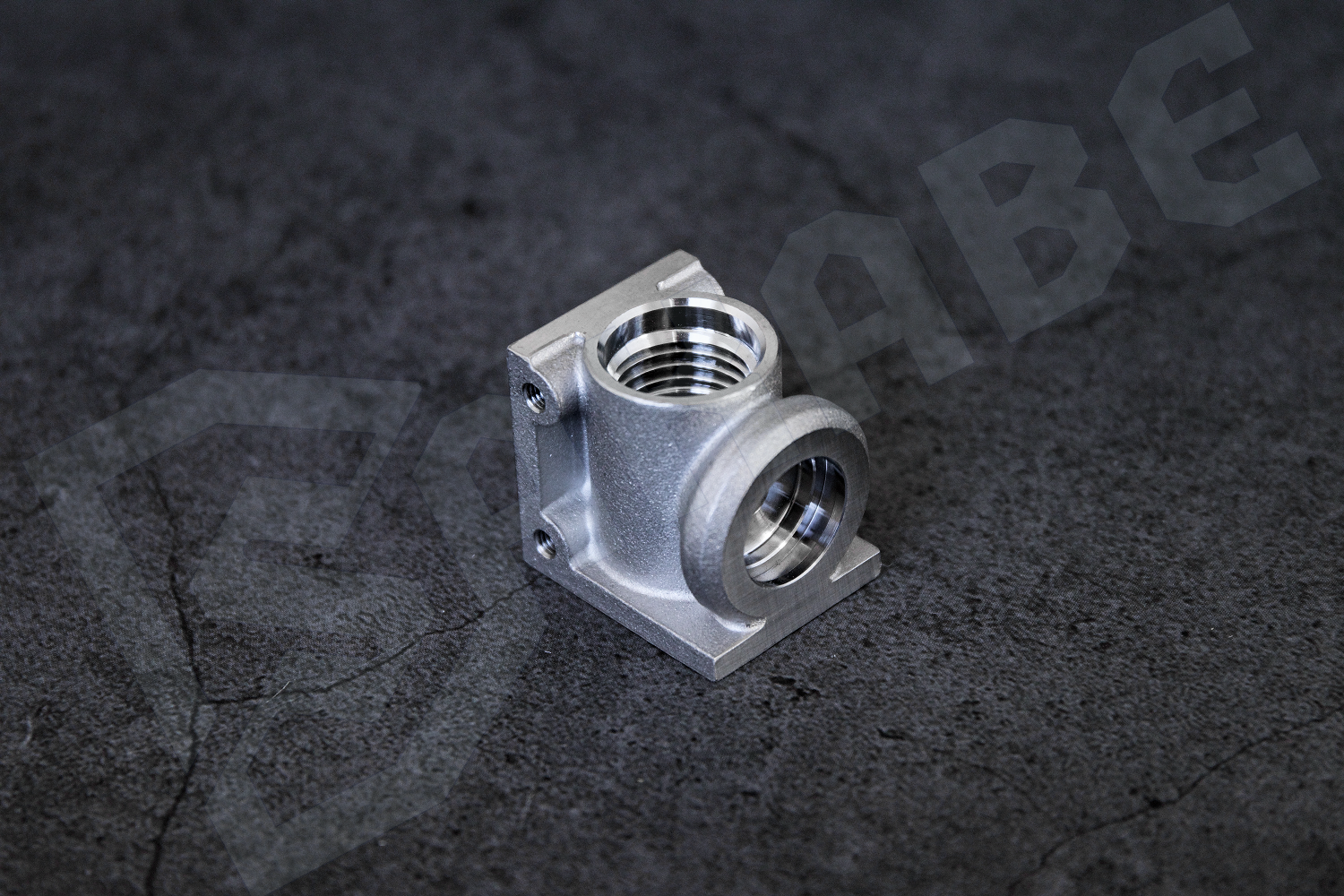
What Are Fluid chemical equipment casting parts
Fluid chemical equipment casting parts play a vital role in the manufacturing and machining industry, particularly in the fields of casting and forging. These components are designed to withstand various chemical processes and environmental conditions, making them essential for a range of applications in industries such as pharmaceuticals, petrochemicals, and wastewater treatment.
The casting process involves pouring molten metal into a mold to create a specific shape. This method is advantageous for producing complex geometries that may be difficult to achieve through other manufacturing techniques. In the case of fluid chemical equipment, the casting parts must possess exceptional durability and resistance to corrosion, ensuring they can handle aggressive chemicals and high-pressure environments.
One common material used for casting parts is stainless steel, known for its strength and resistance to rust and corrosion. Other materials, such as bronze and various alloys, are also employed depending on the specific requirements of the application. The selection of the right material is crucial, as it directly affects the performance and longevity of the casting parts.
In addition to material selection, the design of fluid chemical equipment casting parts must consider factors such as flow dynamics, thermal expansion, and mechanical stresses. Properly designed components contribute to efficient system performance, reducing the risk of leaks and failures. For instance, well-designed piping systems ensure smooth fluid flow, preventing blockages and pressure build-up that could lead to catastrophic failures.
Moreover, surface finish plays a significant role in the performance of these casting parts. A smooth surface can minimize friction and resistance, enhancing the overall efficiency of the equipment. Surface treatments, such as coating or polishing, can further improve the resistance to corrosion and wear, extending the operational life of the components.
The manufacturing of fluid chemical equipment casting parts also involves stringent quality control measures. Adhering to industry standards and regulations is crucial, as any defects in the casting can lead to failure during operation, posing serious risks to safety and function. Regular inspections and testing, such as pressure testing and non-destructive testing, help ensure that the casting parts meet the required specifications.
In conclusion, fluid chemical equipment casting parts are essential components in various industrial applications, providing durability and reliability in challenging environments. Understanding the intricacies of their design, materials, and manufacturing processes can help professionals improve their performance, safety, and efficiency in operations. By prioritizing quality and appropriate material selection, manufacturers can ensure that their casting parts meet the demands of the ever-evolving industrial landscape.

Custom Dewax Casting Solutions for Enhanced Food Machinery Components
Customized dewax casting is a vital technique in the manufacturing of food machinery parts, offering precision, efficiency, and customization that meet the industry's stringent requirements
2025/07/23
Understanding the Process of New Dewax Casting for Sewing Machine Parts
New Dewax Casting is a groundbreaking method that significantly enhances the manufacturing of sewing machine parts
2025/07/23

Understanding Classy Dewax Casting for Textile Machinery Parts
Classy dewax casting is a sophisticated method used in the manufacturing of intricate parts for various industries, including textile machinery
2025/07/23

Transform Your Food Machinery with Innovative Dewax Casting Techniques
Dewax casting represents a significant advancement in the manufacturing of food machinery. By leveraging this innovative technique, manufacturers can achieve unparalleled precision, durability, and efficiency in their products
2025/07/23
CONTACT US
Tel: +86 136-5494-1611
E-mail: alexzheng@sakabe.cn
Office Address:
No.18 Dongbei Qi Street, Jinpu New Area, Dalian, Liaoning, China
Factory Address:
No.26 Fuan Street, Jinpu New Area, Dalian, Liaoning, China
