


One of the primary materials used in medical equipment casting is aluminum and stainless steel, both of which exhibit exceptional biocompatibility and corrosion resistance. These properties are essential for ensuring the safety and longevity of medical devices that come into contact with patients or are subjected to harsh sterilization processes. Additionally, these materials can be easily cast into intricate designs, enabling manufacturers to create parts that meet the stringent requirements of the healthcare industry.
When it comes to the casting process, there are several techniques commonly employed, such as sand casting, investment casting, and die casting. Each method has its unique advantages and is selected based on specific project requirements. Sand casting is often favored for its versatility and cost-effectiveness, making it suitable for producing large volumes of components. On the other hand, investment casting is preferred for complex and highly detailed parts, while die casting is ideal for high-speed production runs.
Quality control is paramount in the production of medical equipment casting parts. Manufacturers must adhere to strict regulatory standards and guidelines to ensure that the components are safe and effective for use. This often involves rigorous testing and inspection procedures, including dimensional checks, material analysis, and performance testing. Implementing a robust quality management system is essential to maintain compliance and uphold the integrity of medical devices.
Furthermore, manufacturers must consider the design aspects of medical equipment casting parts. Effective design not only facilitates functionality but also enhances manufacturability. Collaborating with engineers and designers early in the development process can lead to optimized designs that reduce production costs and improve performance.
In conclusion, medical equipment casting parts are integral to the production of reliable and effective healthcare devices. By understanding the casting processes, material properties, and quality considerations, manufacturers can produce high-quality components that meet the demanding needs of the medical industry. Investing in advanced casting techniques and maintaining stringent quality control measures will ensure that medical equipment remains safe and efficient for patient care.
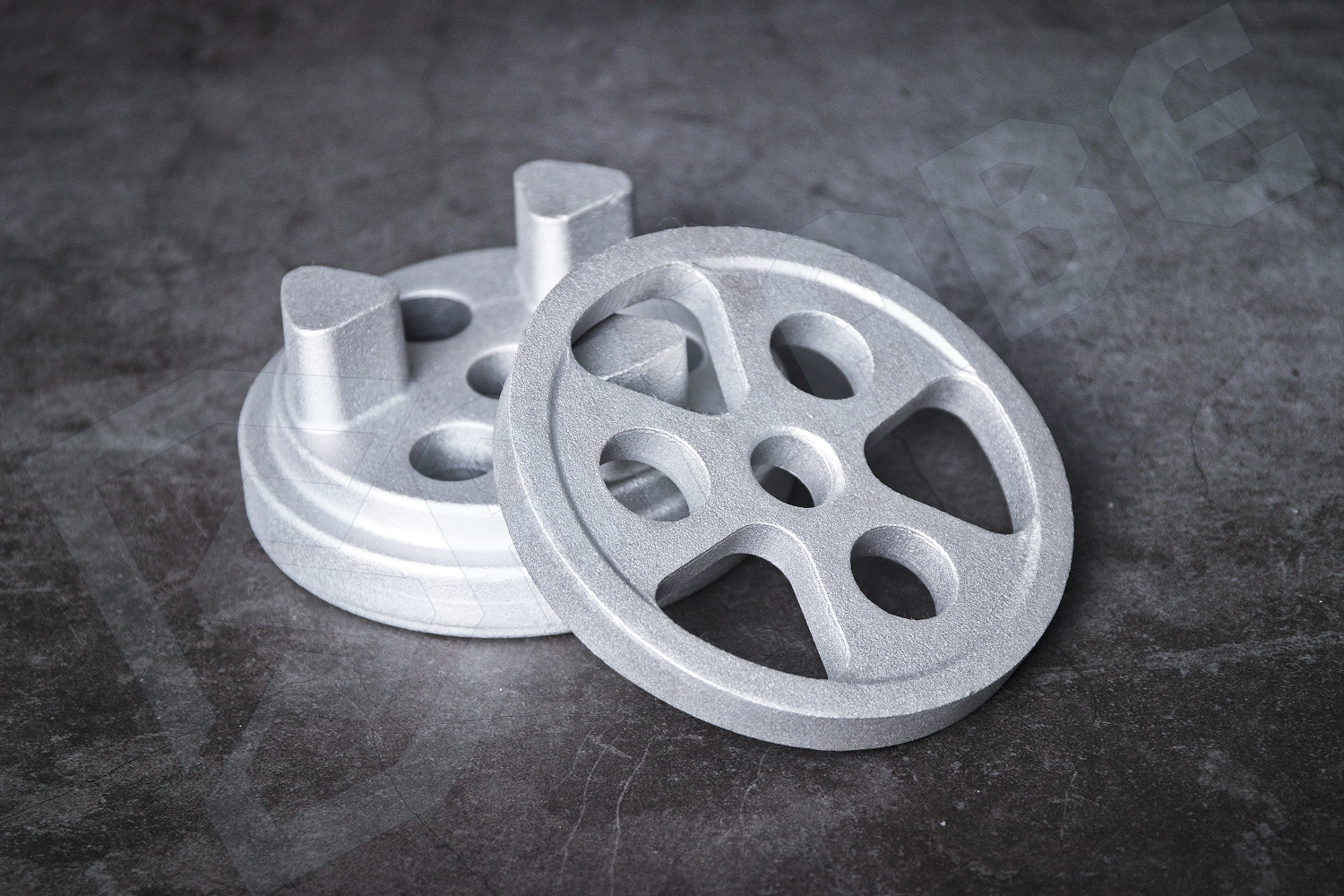
Heat Treatment Tool Casting: Enhancing Performance and Durability in Manufacturing
Heat treatment is an indispensable aspect of tool casting that significantly contributes to the performance and durability of industrial tools
2024/10/23

Unlocking Precision: The Role of Casting in Medical Tool Parts
In the ever-evolving landscape of medical tool manufacturing, medical tool parts casting stands out as a critical process that ensures precision, reliability, and innovation
2024/10/23
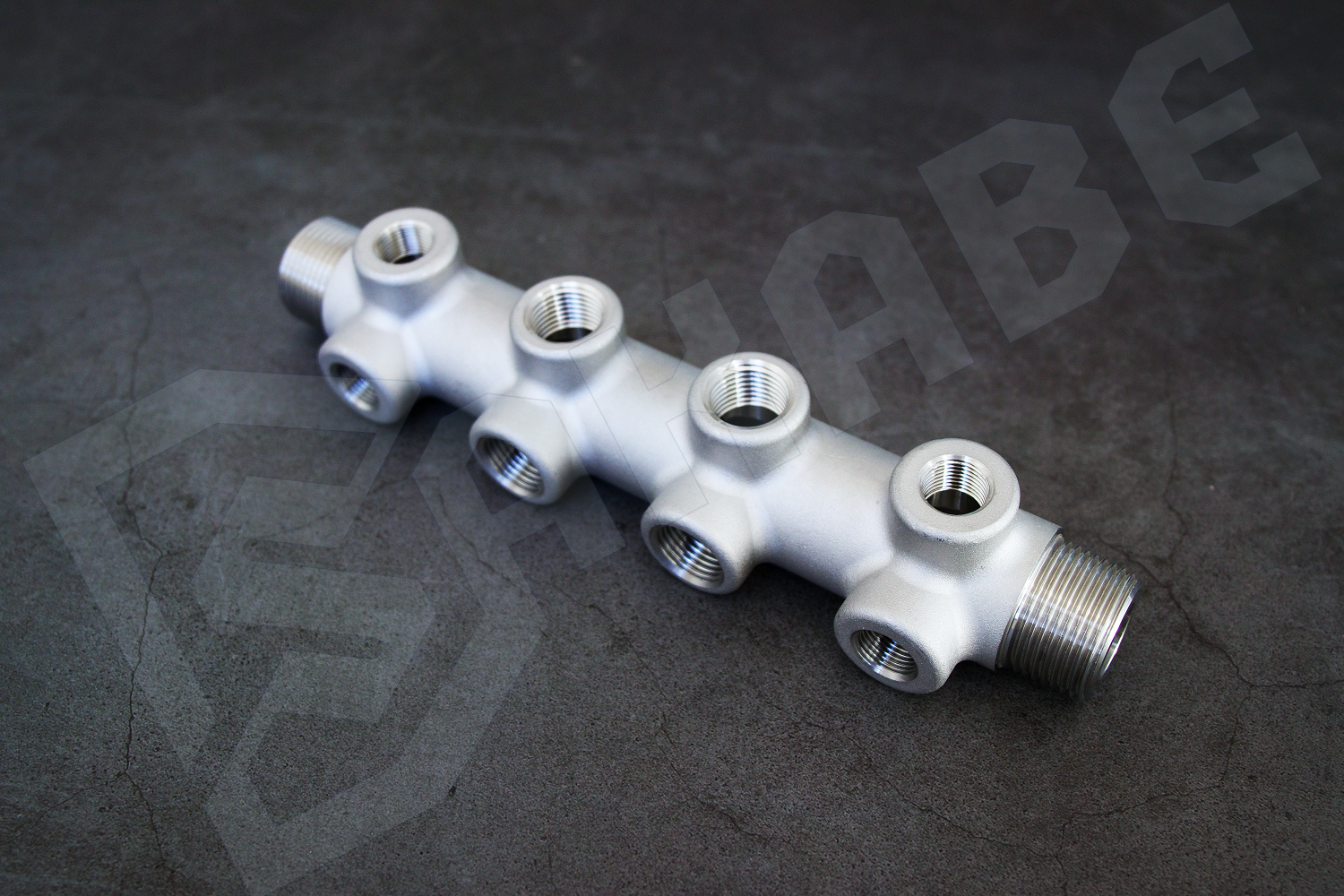
Medical Equipment Parts Casting Ensures Precision Quality and Innovation in Healthcare Manufacturing
Another significant aspect of medical equipment parts casting is the consistency it offers. High-quality casting processes ensure that each part produced meets the necessary specifications and tolerances
2024/10/23

The Environmental Impact of Flowmeter Parts Casting in Manufacturing
The environmental impact of flowmeter parts casting in manufacturing is a pressing issue that requires immediate attention. By understanding the implications of traditional casting processes and embracing sustainable practices and technological innovations, manufacturers can significantly reduce their ecological footprints.
2024/10/23
CONTACT US
Tel: +86 136-5494-1611
E-mail: alexzheng@sakabe.cn
Office Address:
No.18 Dongbei Qi Street, Jinpu New Area, Dalian, Liaoning, China
Factory Address:
No.26 Fuan Street, Jinpu New Area, Dalian, Liaoning, China
