


One of the primary advantages of die-casting is the ability to produce parts that are both lightweight and strong. This is crucial in the medical field, where equipment must be portable yet robust enough to withstand rigorous use. For example, components made through die casting can be found in surgical instruments, diagnostic devices, and even in the housings of electronic medical equipment. The smooth finishes and fine details achieved through die-casting processes enhance not just the aesthetic appeal of medical devices but also their functionality.
The materials used in manufacturing medical equipment die-casting parts are typically non-corrosive and biocompatible, which is essential for devices that come into contact with patients or bodily fluids. Common materials include aluminum and zinc, which are favored for their strength-to-weight ratios and resistance to corrosion. The selection of material not only affects the performance of the device but also its longevity and safety.
Additionally, the die-casting process allows for greater design flexibility. Manufacturers can easily modify molds to accommodate new designs or updates to existing products, making it easier to innovate in a rapidly evolving industry. This adaptability is particularly important in the medical sector, where technology is constantly advancing and the need for updated equipment features is ever-present.
Another significant aspect of die-casting in medical equipment manufacturing is the emphasis on quality control. Strict regulations govern the production of medical devices, and die-casting processes often incorporate advanced quality inspection methods to ensure each part meets industry standards. This focus on quality not only helps in complying with regulations but also enhances the reliability of the medical equipment produced.
In summary, medical equipment die-casting parts are essential components that contribute to the effectiveness and safety of medical devices. The die-casting process enables manufacturers to create high-quality, precise, and durable components that meet the stringent demands of the healthcare market. As technology continues to evolve, die-casting will remain a vital aspect of medical equipment manufacturing, ensuring that devices can keep pace with innovations and improve patient care.
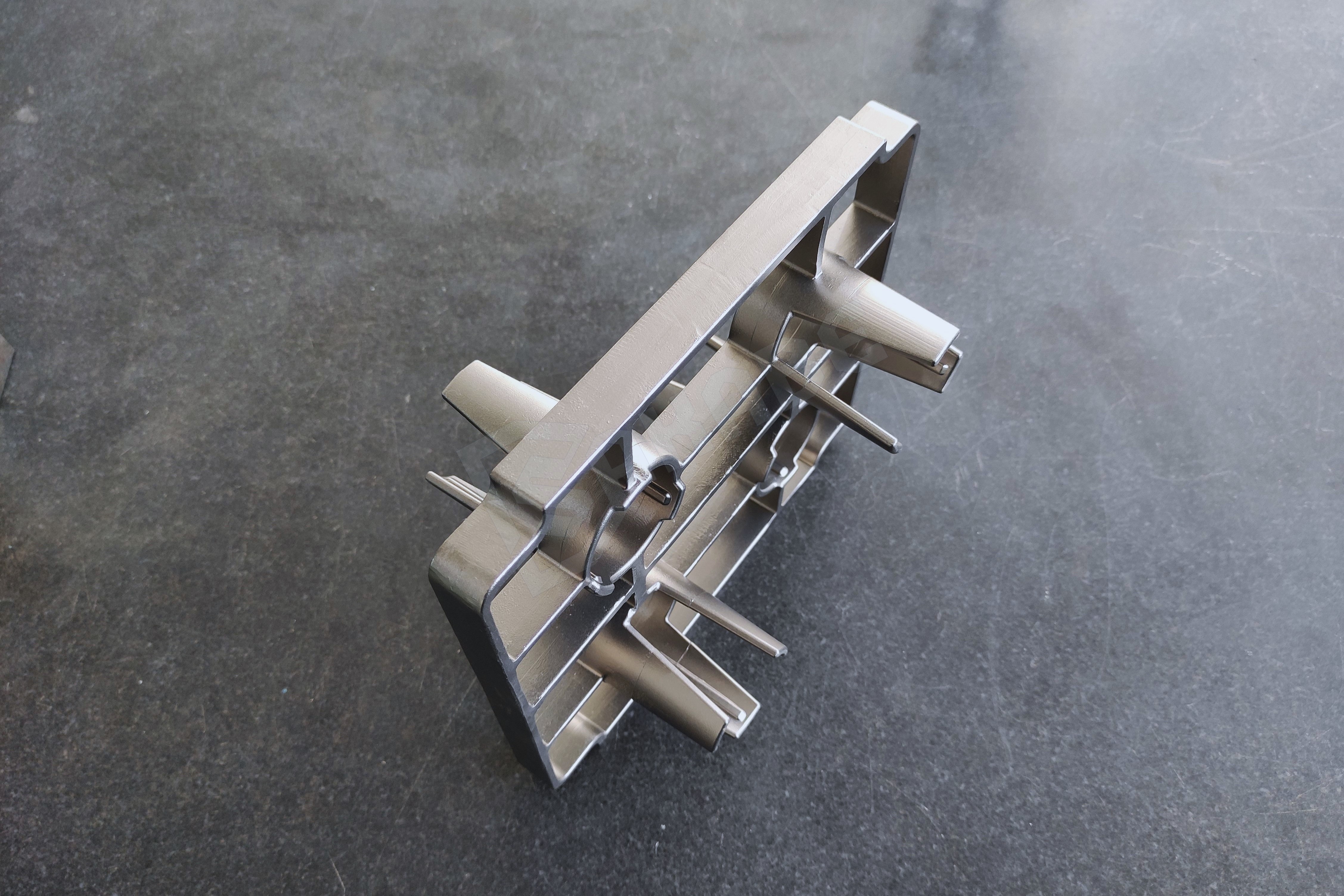
Enhancing Food Machinery with Durable Precision Machining Solutions
Durable Precision machining of food machinery accessories plays an integral role in the food machinery sector by ensuring that equipment is produced with the highest standards of accuracy and reliability
2025/07/23

Unlocking Efficiency: Advanced Precision Casting Techniques in Food Machinery
Advanced precision casting techniques are transforming the landscape of food machinery manufacturing. Their ability to enhance efficiency, quality, and sustainability positions them as a critical factor in the industry’s future
2025/07/23
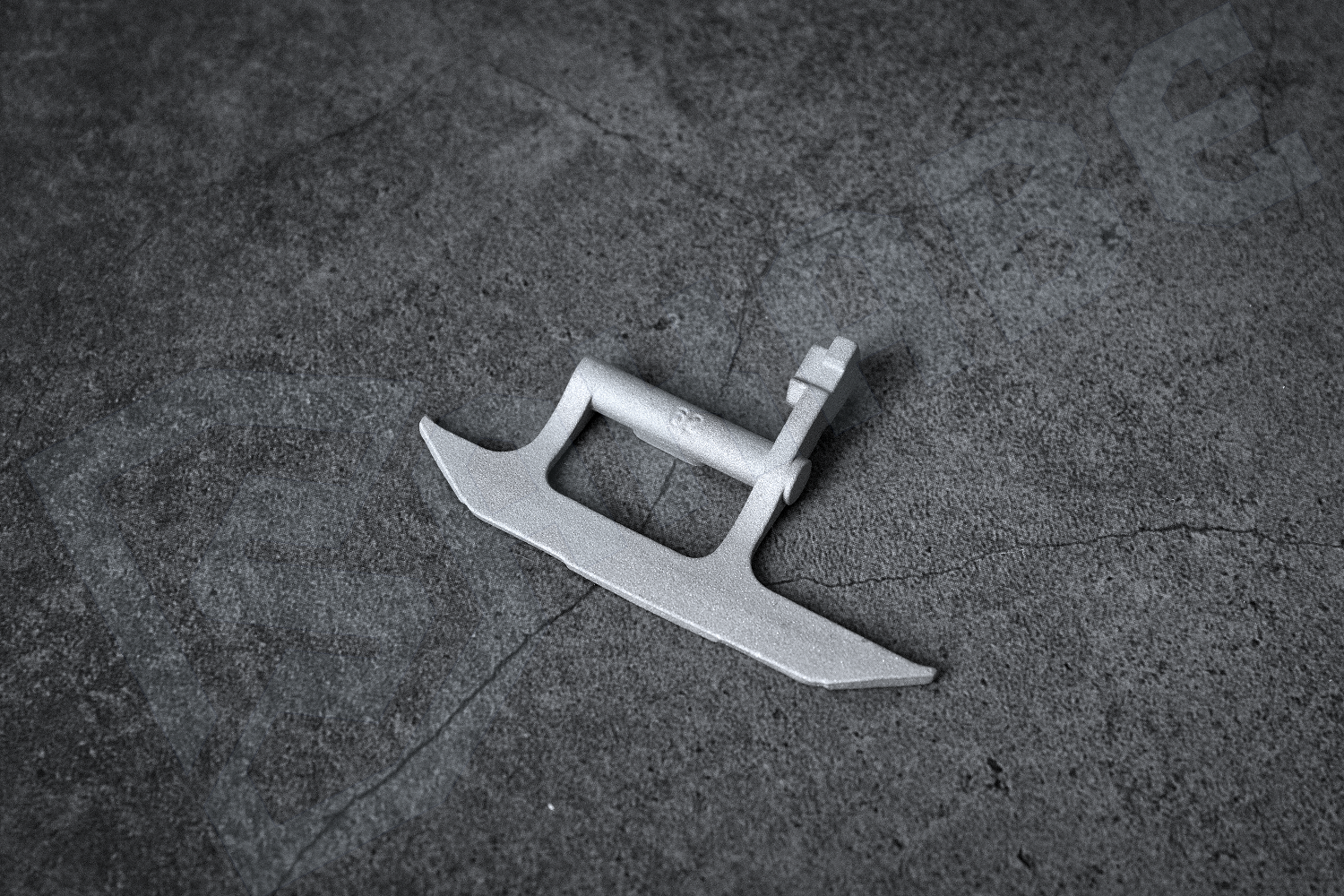
Enhancing Textile Machinery Efficiency through Quality Precision Casting
Quality precision casting is a cornerstone of effective textile machinery manufacturing. By leveraging advanced casting techniques, selecting appropriate materials, and maintaining rigorous quality checks, manufacturers can produce reliable, high-performance machinery components
2025/07/23

Unlocking Efficiency: The Best Casting Techniques for Heat Treatment Material Trays
Optimizing casting techniques for heat treatment material trays is essential for achieving efficiency and quality in manufacturing
2025/07/23
CONTACT US
Tel: +86 136-5494-1611
E-mail: alexzheng@sakabe.cn
Office Address:
No.18 Dongbei Qi Street, Jinpu New Area, Dalian, Liaoning, China
Factory Address:
No.26 Fuan Street, Jinpu New Area, Dalian, Liaoning, China
