


Heat Treatment Tool Casting: Enhancing Performance and Durability in Manufacturing
Heat treatment is a vital process in the field of tool casting, particularly within the manufacturing and metalworking industries. This method involves the controlled heating and cooling of materials, primarily metals, and alloys, to achieve desired properties such as increased hardness, strength, and ductility. In the context of tool casting, heat treatment tool casting plays a significant role in enhancing the performance and durability of the final products.

One of the primary objectives of heat treatment tool casting is to relieve internal stresses that may have developed during the casting process. These stresses can lead to warping, cracking, or other structural issues that compromise the integrity of the tool. By subjecting the cast material to specific heat treatment processes, manufacturers can effectively reduce these stresses, resulting in a more reliable and resilient tool.
There are several types of heat treatment processes commonly used in tool casting, including annealing, quenching, and tempering. Annealing involves heating the metal to a particular temperature and then allowing it to cool slowly, which promotes a uniform microstructure and improves ductility. This method is particularly beneficial for tools that require high toughness, making them less susceptible to fracturing under stress.
Quenching, on the other hand, is a rapid cooling process that is typically used to harden steel. The metal is heated to its austenitizing temperature and then plunged into a cooling medium, such as water or oil. This process transforms the austenitic structure into hard martensite, significantly increasing the hardness of the tool. However, it is essential to follow up with tempering, which involves reheating the quenched tool to a lower temperature to reduce brittleness while retaining much of its hardness.
In addition to improving mechanical properties, heat treatment can enhance other characteristics of tool castings, such as wear resistance and corrosion resistance. For instance, tools that undergo a proper heat treatment process can exhibit a much longer lifespan, reducing the frequency of replacements and maintenance. This not only optimizes operational efficiency but also provides cost savings in the long run.
Furthermore, as industries demand higher performance and increased precision from their tools, the importance of heat treatment in tool casting cannot be overstated. The ability to tailor the mechanical properties of casting materials through various heat treatment techniques allows manufacturers to meet the specific needs of different applications, from automotive components to aerospace parts.
In conclusion, heat treatment is an indispensable aspect of tool casting that significantly contributes to the performance and durability of industrial tools. By understanding and effectively implementing heat treatment processes, manufacturers can enhance the quality and reliability of their products, thus ensuring they meet the rigorous demands of modern applications.

Enhancing Precision and Efficiency: Dewax Casting for Beverage Machinery Parts
Dewax casting plays an essential role in the manufacturing of beverage machinery parts, providing a method that emphasizes precision, efficiency, and durability
2025/05/20
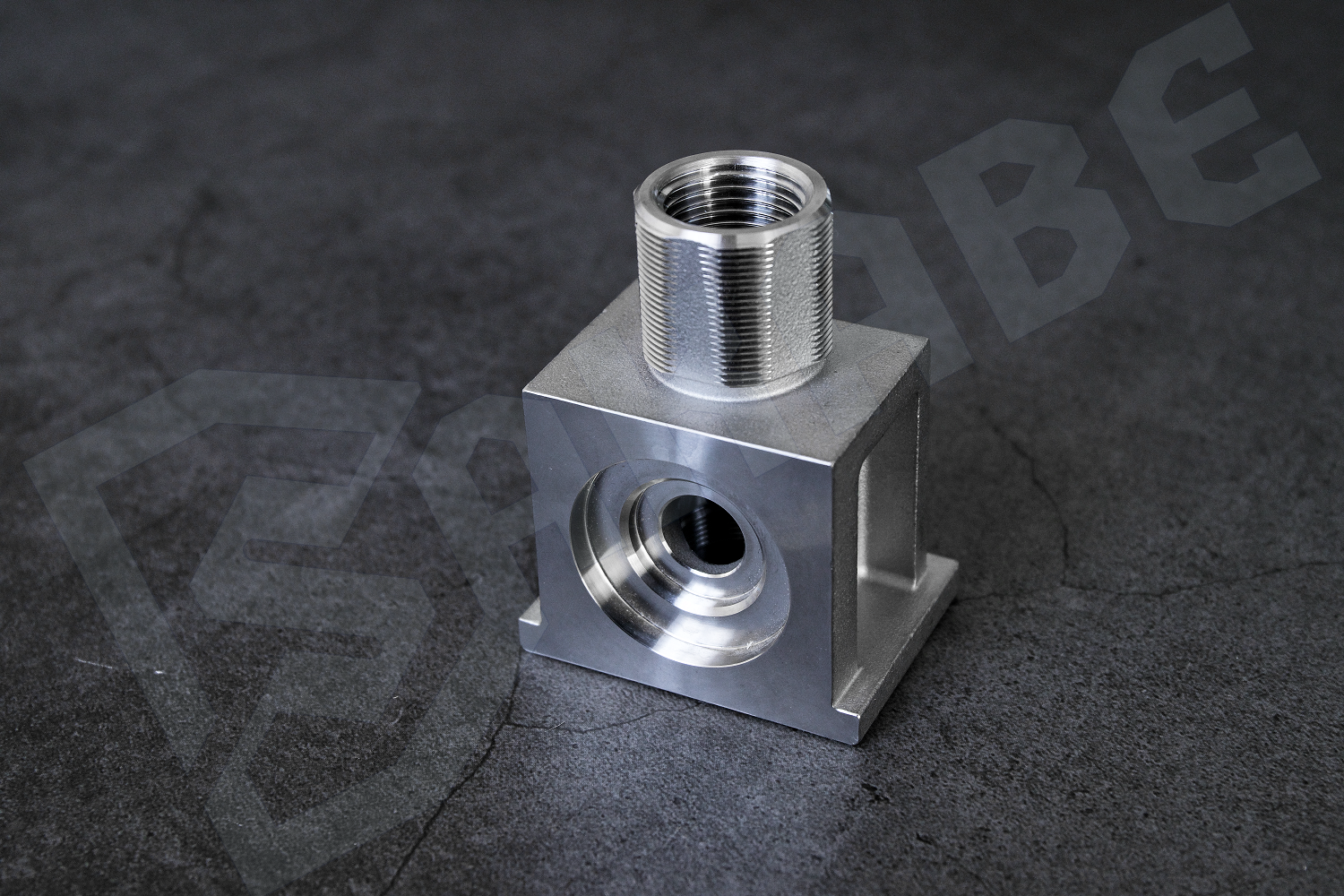
Introduction to Dewax Casting in Food Machinery Components
Dewax casting is an essential manufacturing process that significantly enhances the production of **food machinery components**. Its ability to create precise, intricate designs while ensuring durability makes it a favored choice in the food industry
2025/05/20
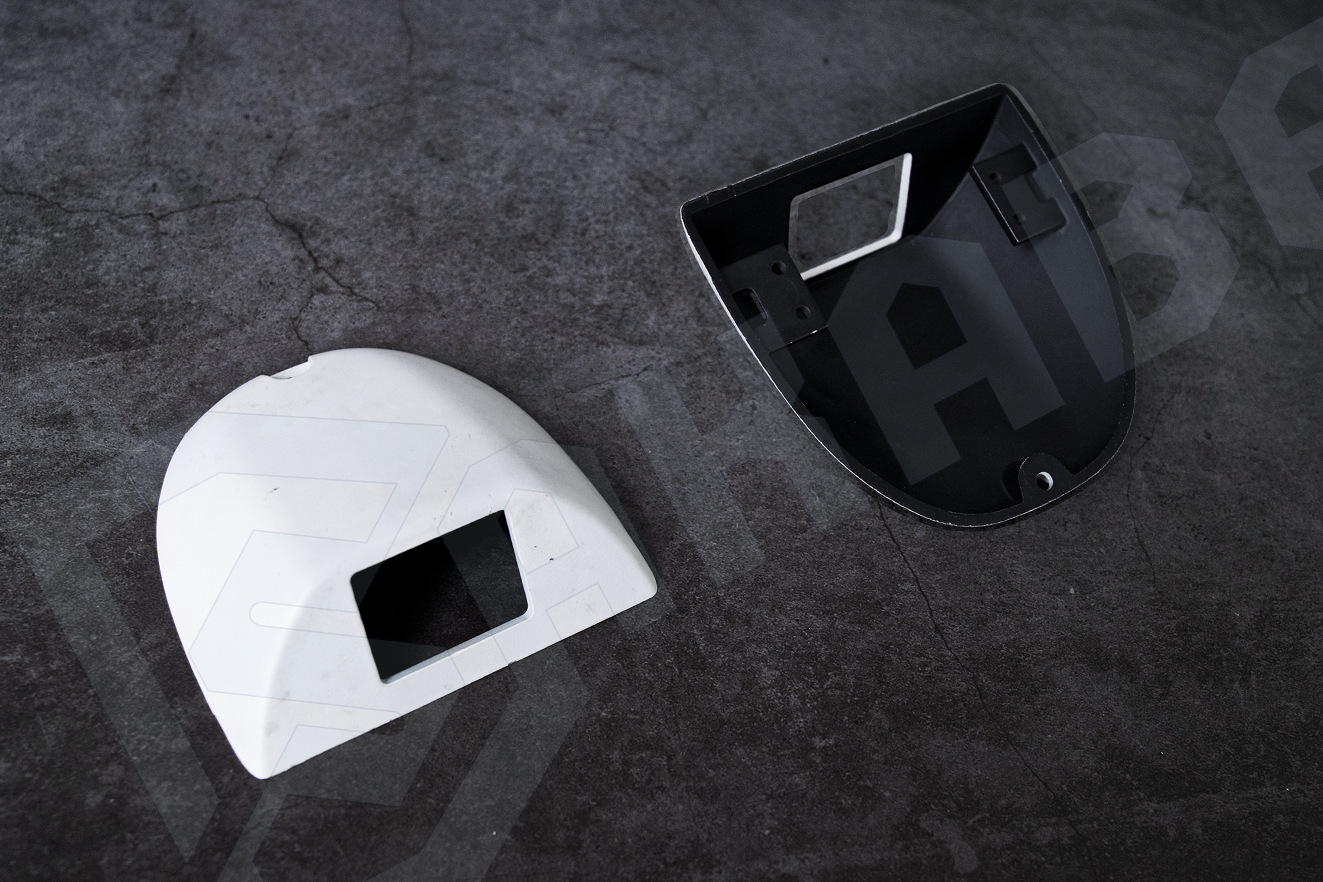
Dewax Casting for Sewing Machine Parts: Precision, Efficiency, and Cost-Effective Production
Dewax casting for sewing machine parts, also known as lost-wax casting, is a sophisticated manufacturing process that is especially beneficial in the production of sewing machine parts
2025/05/20

Understanding the Importance of Dewax Casting in Textile Machinery Manufacturing
Dewax casting for textile machinery parts, a crucial technique in the manufacturing of textile machinery, has garnered increased attention for its significant contribution to production efficiency and product quality
2025/05/15
CONTACT US
Tel: +86 136-5494-1611
E-mail: alexzheng@sakabe.cn
Office Address:
No.18 Dongbei Qi Street, Jinpu New Area, Dalian, Liaoning, China
Factory Address:
No.26 Fuan Street, Jinpu New Area, Dalian, Liaoning, China
