


Precision casting involves creating molds for metal components, which are then subject to heat treatment to enhance their mechanical properties. This method allows for intricate designs and reduced waste compared to traditional machining methods. The tooling process is crucial in ensuring that the molds are accurate, durable, and capable of withstanding the rigors of heat treatment.
One of the most effective strategies in precision casting tooling is the use of advanced materials. Tooling materials that can endure high temperatures and resist wear are essential for effective heat treatment. Materials such as high-speed steel or carbide are often preferred due to their superior strength and longevity. Additionally, the design of the tooling must facilitate proper heat distribution during the treatment process to ensure consistent results.
Another important aspect is the design of the tooling itself. Incorporating features such as cooling channels can significantly enhance the effectiveness of the heat treatment process. These channels help maintain uniform temperature throughout the mold, ensuring that the material undergoes the desired changes without the risk of warping or residual stresses.
Furthermore, manufacturers should consider implementing advanced technologies such as computer-aided design (CAD) and computer-aided manufacturing (CAM) systems. These technologies not only streamline the design and production of precision casting tools but also enable better simulation of heat treatment processes, leading to more informed decisions and improvements in the tooling cycle.
Regular maintenance and inspection of precision casting tooling are also critical for sustaining performance. Over time, tooling can wear down or become damaged, which can lead to defects in the final product. Establishing a routine inspection schedule and adopting a proactive approach to maintenance can help ensure that the tools remain in optimal condition.
In conclusion, precision casting tooling for heat treatment is a multifaceted process that demands attention to detail and a commitment to excellence. By selecting the right materials, optimizing design features, utilizing advanced technologies, and maintaining tooling effectively, manufacturers can significantly enhance their operational efficiency and product quality. As the industry continues to evolve, staying informed about best practices and innovations in precision casting tooling will be essential for maintaining a competitive edge.
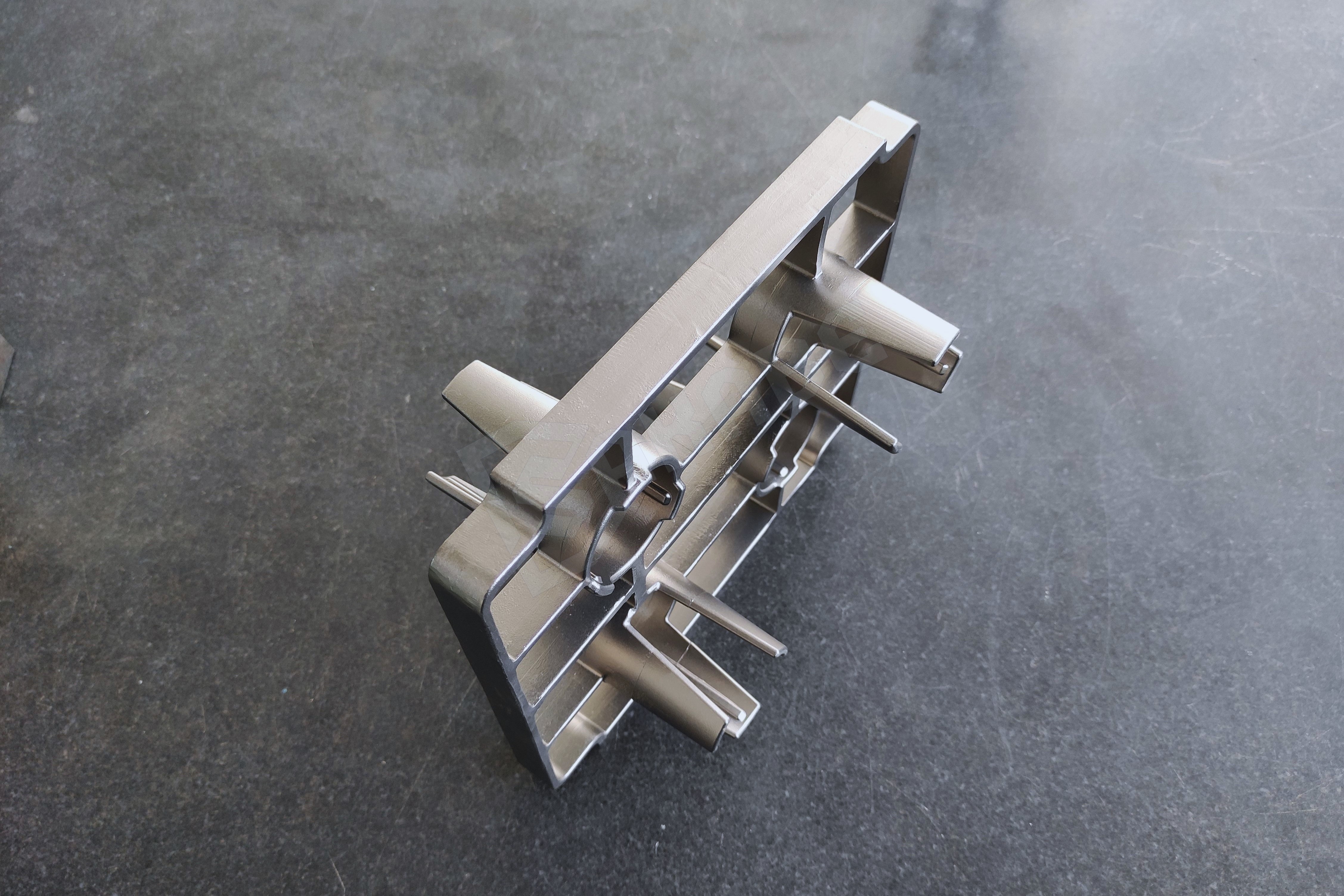
Enhancing Food Machinery with Durable Precision Machining Solutions
Durable Precision machining of food machinery accessories plays an integral role in the food machinery sector by ensuring that equipment is produced with the highest standards of accuracy and reliability
2025/07/23

Unlocking Efficiency: Advanced Precision Casting Techniques in Food Machinery
Advanced precision casting techniques are transforming the landscape of food machinery manufacturing. Their ability to enhance efficiency, quality, and sustainability positions them as a critical factor in the industry’s future
2025/07/23
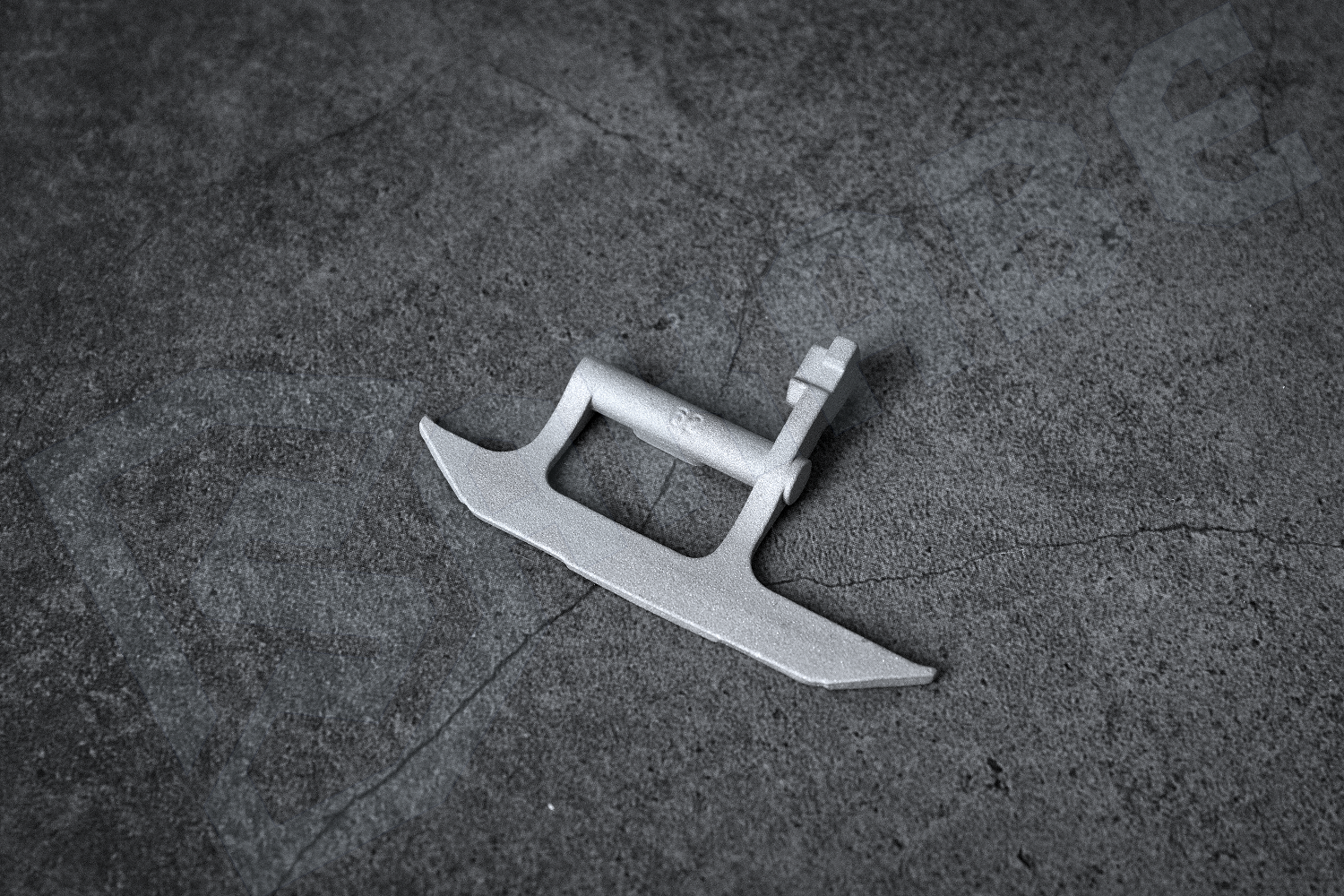
Enhancing Textile Machinery Efficiency through Quality Precision Casting
Quality precision casting is a cornerstone of effective textile machinery manufacturing. By leveraging advanced casting techniques, selecting appropriate materials, and maintaining rigorous quality checks, manufacturers can produce reliable, high-performance machinery components
2025/07/23

Unlocking Efficiency: The Best Casting Techniques for Heat Treatment Material Trays
Optimizing casting techniques for heat treatment material trays is essential for achieving efficiency and quality in manufacturing
2025/07/23
CONTACT US
Tel: +86 136-5494-1611
E-mail: alexzheng@sakabe.cn
Office Address:
No.18 Dongbei Qi Street, Jinpu New Area, Dalian, Liaoning, China
Factory Address:
No.26 Fuan Street, Jinpu New Area, Dalian, Liaoning, China
