

One of the primary benefits of precision casting is its ability to produce complex shapes and intricate designs with a high degree of accuracy. This is particularly important in the food industry, where components often need to fit seamlessly together to ensure optimal performance. The casting process allows manufacturers to create parts that are not only precise but also feature fine details that would be challenging to achieve through traditional machining methods. This capability significantly reduces the need for extensive post-processing, saving time and resources.
Another significant advantage of precision casting for food machinery accessories is the material versatility it offers. Various metals and alloys can be utilized in the casting process, enabling manufacturers to select the most suitable materials for specific applications. For example, stainless steel is commonly used in food machinery due to its corrosion resistance and hygienic properties. By leveraging precision casting, manufacturers can ensure that the components are durable and can withstand the harsh conditions often found in food processing environments.
In addition to precision and material versatility, the efficiency of production is another critical benefit. Precision casting enables high-volume production runs while maintaining consistent quality across all components. This efficiency is essential for food machinery manufacturers who need to meet the growing demands of the industry without compromising on quality. Moreover, the casting process can often reduce material waste, making it a more sustainable option compared to other manufacturing techniques.
Safety is a paramount concern in the food industry, and precision casting contributes to this by allowing for the production of non-porous, smooth surfaces that are easier to clean and maintain. This feature significantly reduces the risk of contamination, ensuring that food safety standards are upheld.
In summary, precision casting is a key technique in the manufacture of food machinery accessories that offers numerous advantages such as high accuracy, material versatility, efficient production, and enhanced safety. As the food industry continues to evolve, the importance of reliable and high-quality machinery becomes increasingly clear. By understanding the benefits of precision casting, businesses can make informed decisions that enhance their manufacturing processes and contribute to the overall success of their operations.

How Do Medical Equipment Casting Parts Ensure Precision and Reliability in Healthcare Manufacturing
The production of medical equipment casting parts is a multifaceted process that requires careful consideration of design, materials, and quality assurance
2025/04/21

Top Benefits of Using Quality Flowmeter Casting Parts in Manufacturing
The use of quality flowmeter casting parts is essential for manufacturers seeking to enhance accuracy, reliability, and efficiency in their operations
2025/04/21

How Best Singer Sewing Machine Parts Reshape the Classics
Choosing the best singer sewing machine parts means choosing the ultimate pursuit of quality. These accessories not only improve the overall performance of the sewing machine, but also extend the service life of the equipment invisibly
2025/03/20
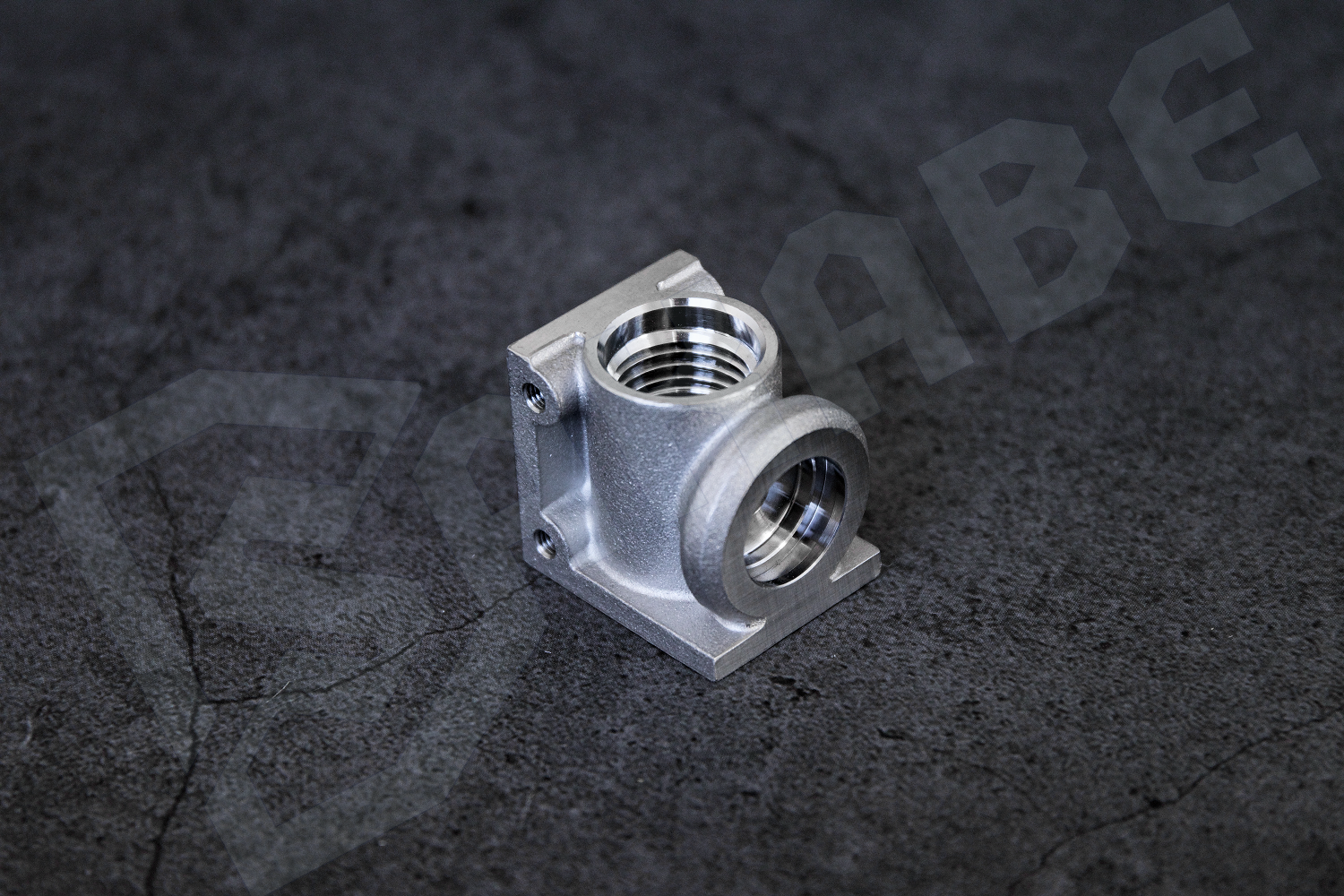
Why MIM Casting Is the Future of Precision Manufacturing
One of the primary benefits of MIM casting is its ability to produce intricate geometries that would be challenging or impossible to achieve through conventional machining methods
2025/03/11
CONTACT US
Tel: +86 136-5494-1611
E-mail: alexzheng@sakabe.cn
Office Address:
No.18 Dongbei Qi Street, Jinpu New Area, Dalian, Liaoning, China
Factory Address:
No.26 Fuan Street, Jinpu New Area, Dalian, Liaoning, China
