

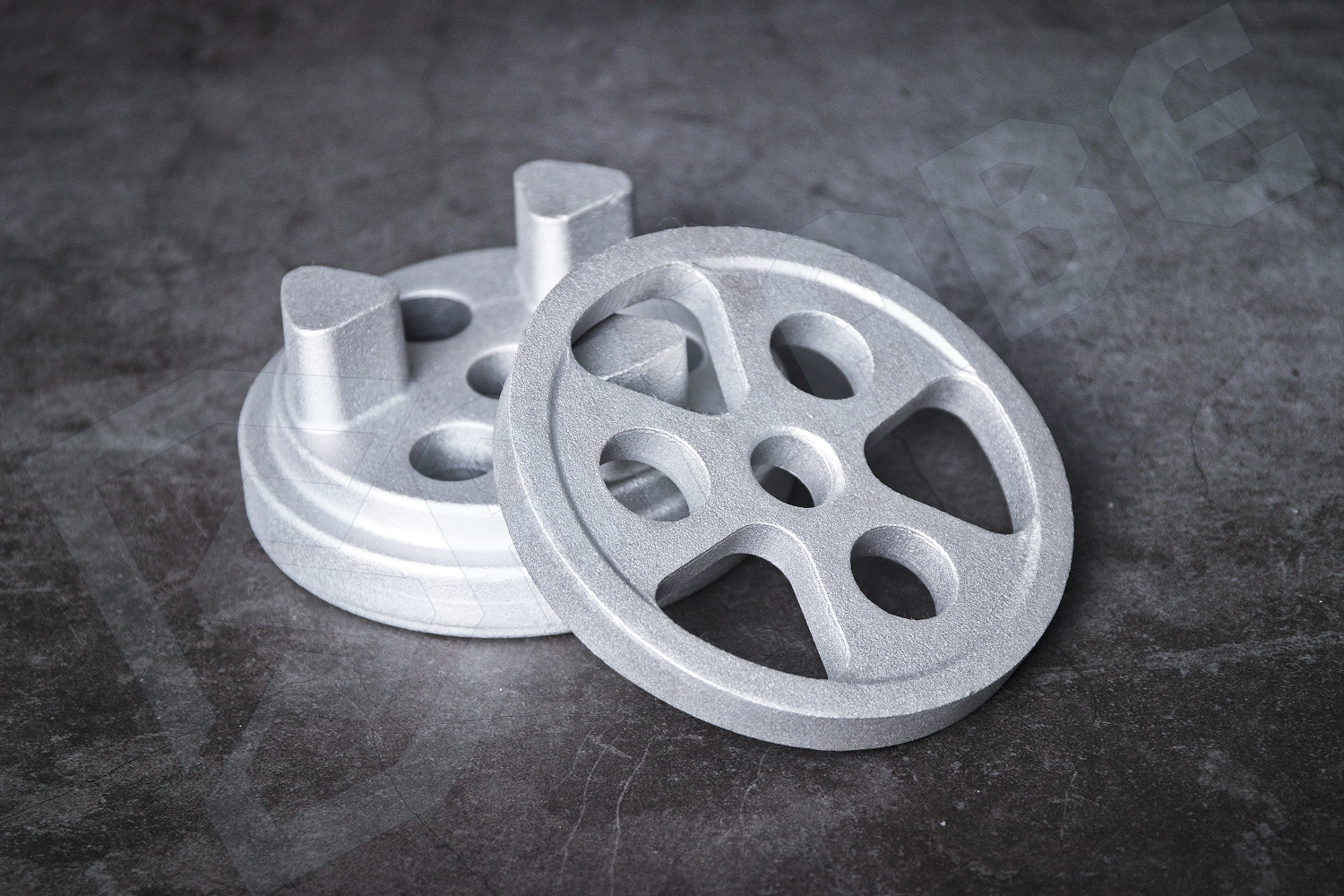
The dewax casting process begins with creating a wax model of the desired part. This model is then coated with a heat-resistant ceramic shell. Once the shell is hardened, the assembly is heated, causing the wax to melt and drain away. What remains is a hollow ceramic mold that accurately reflects the original design. Molten metal is then poured into this mold, solidifying to form the final part.
One of the key benefits of dewax casting for sewing machine parts is its ability to produce high-precision components. Since the casting process captures every detail of the original wax model, the resulting parts exhibit exceptional dimensional accuracy and surface finishes. This precision is crucial in sewing machines, where even minor discrepancies can affect performance and longevity.
Another advantage of the dewax casting process is its versatility in material selection. Various metals, including aluminum, steel, and bronze, can be utilized, allowing manufacturers to choose materials that best suit their specific application needs. For sewing machine parts, selecting the right material is essential for ensuring the durability and reliability of the components under various operating conditions.
Moreover, dewax casting is environmentally friendly compared to some other manufacturing techniques. The process generates less waste, and the wax used in the initial model can often be recycled for future uses, reducing the overall environmental impact associated with production.
In the context of sewing machine production, adopting dewax casting can enhance the overall quality and performance of the machinery. It enables manufacturers to innovate and create parts that meet modern demands for efficiency and durability. By understanding the advantages and processes involved in dewax casting, industry professionals can make informed decisions that lead to better manufacturing outcomes.
In conclusion, dewax casting is an essential process for producing high-quality sewing machine parts. Its ability to deliver precision, versatility in material options, and environmental benefits makes it a preferred choice in the mechanical processing industry. Understanding this technique can help manufacturers optimize their production processes and improve their product offerings in a competitive market.
Heat Treatment Tool Casting: Enhancing Performance and Durability in Manufacturing
Heat treatment is an indispensable aspect of tool casting that significantly contributes to the performance and durability of industrial tools
2024/10/23

Unlocking Precision: The Role of Casting in Medical Tool Parts
In the ever-evolving landscape of medical tool manufacturing, medical tool parts casting stands out as a critical process that ensures precision, reliability, and innovation
2024/10/23
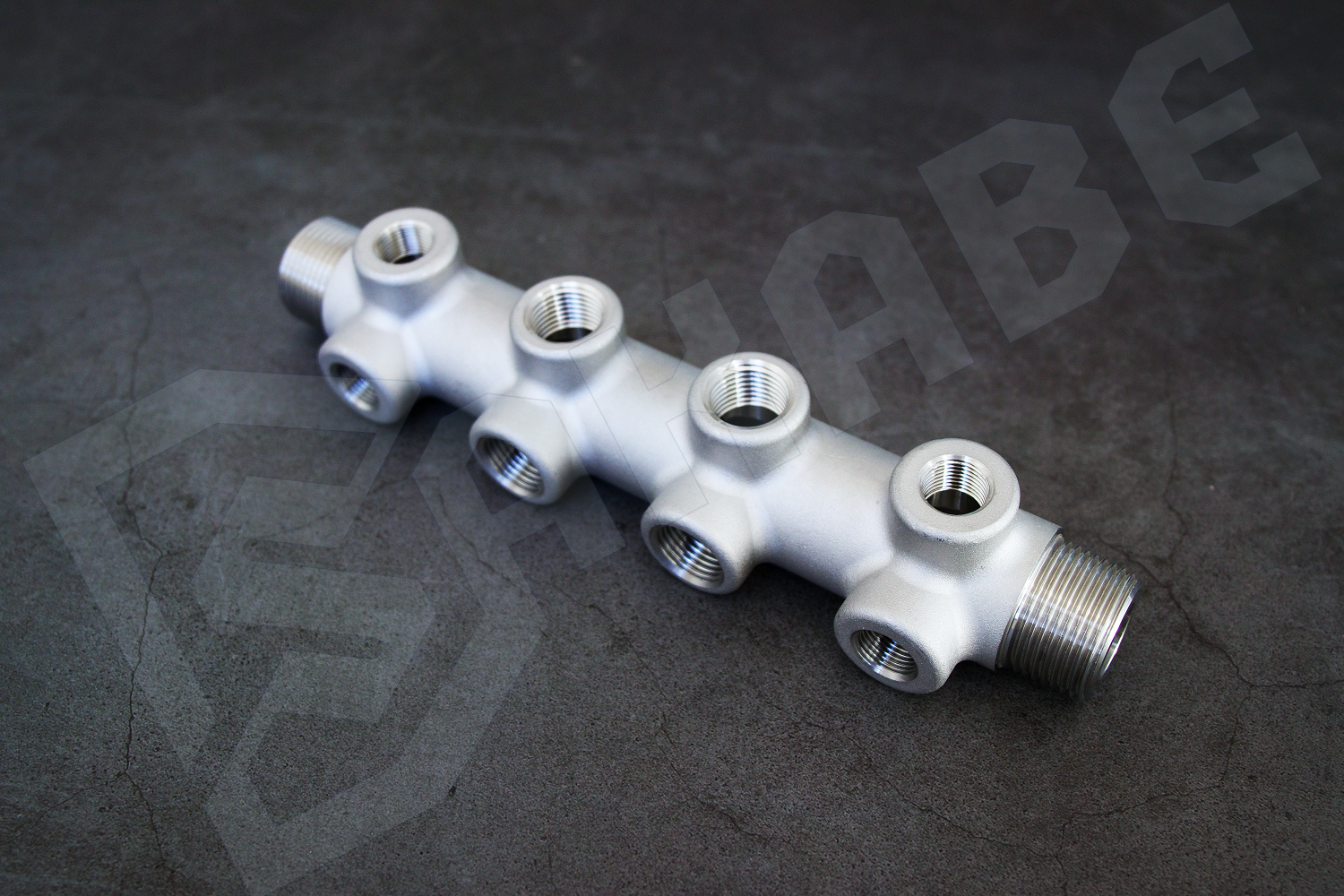
Medical Equipment Parts Casting Ensures Precision Quality and Innovation in Healthcare Manufacturing
Another significant aspect of medical equipment parts casting is the consistency it offers. High-quality casting processes ensure that each part produced meets the necessary specifications and tolerances
2024/10/23

The Environmental Impact of Flowmeter Parts Casting in Manufacturing
The environmental impact of flowmeter parts casting in manufacturing is a pressing issue that requires immediate attention. By understanding the implications of traditional casting processes and embracing sustainable practices and technological innovations, manufacturers can significantly reduce their ecological footprints.
2024/10/23
CONTACT US
Tel: +86 136-5494-1611
E-mail: alexzheng@sakabe.cn
Office Address:
No.18 Dongbei Qi Street, Jinpu New Area, Dalian, Liaoning, China
Factory Address:
No.26 Fuan Street, Jinpu New Area, Dalian, Liaoning, China
