

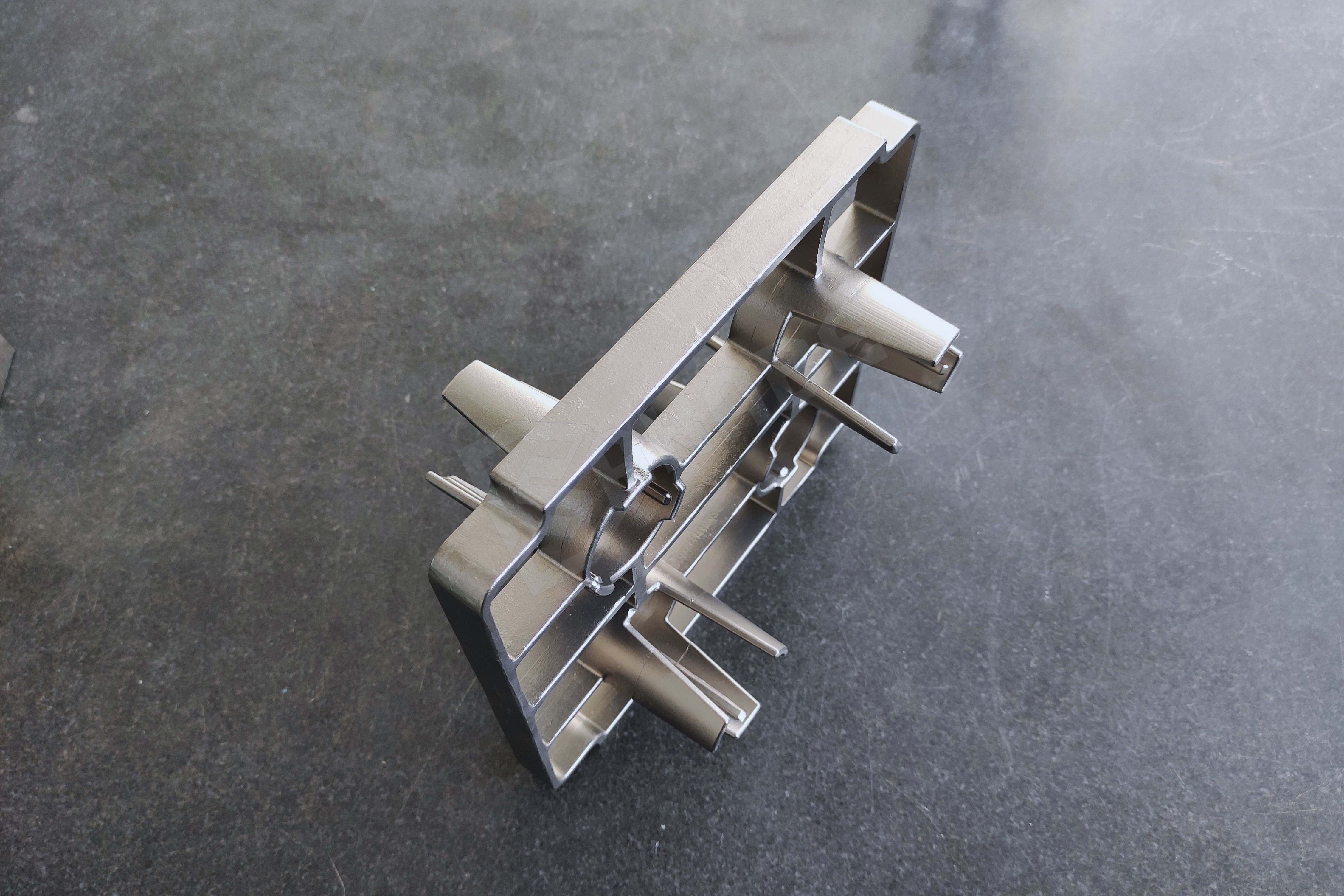
One of the primary advantages of dewax casting for beverage machinery parts is the high level of detail and precision it can achieve. The process allows for the production of parts with fine features and tight tolerances, which are essential in ensuring the efficient operation of machinery. Beverage production often involves high-speed processes where any malfunction can lead to significant downtime and loss of productivity. Therefore, the reliability and precision of the cast components directly impact the overall efficiency of the beverage manufacturing process.
Moreover, dewax casting is versatile and can be applied to a wide range of materials, including various metal alloys. This flexibility is essential for beverage machinery parts, which may require specific material properties such as corrosion resistance, strength, and durability to withstand the harsh operating conditions often found in beverage production environments.
Another significant benefit of dewax casting is its ability to produce relatively lightweight parts without compromising strength. This characteristic is particularly valuable in the beverage industry, where machinery often needs to be moved or adjusted frequently, making lighter components easier to handle and install. Additionally, the reduced weight can contribute to energy savings during operation, further enhancing the overall efficiency of beverage production systems.
In terms of production efficiency, dewax casting allows for the creation of multiple parts in a single mold, which can significantly speed up the manufacturing process. This batch production capability means that manufacturers can meet the high demand for beverage machinery parts without sacrificing quality or precision.
In conclusion, dewax casting is an essential process in the manufacturing of beverage machinery parts. Its ability to deliver high precision, versatility in material use, and efficiency in production makes it an invaluable technique for manufacturers in the beverage industry. As businesses continue to seek ways to optimize their operations and reduce costs, understanding and implementing dewax casting can be a key factor in achieving these goals. By embracing this advanced casting method, manufacturers can ensure the reliability and performance of their machinery, ultimately leading to improved productivity in beverage production.

Transform Your Food Machinery with Innovative Dewax Casting Techniques
Dewax casting represents a significant advancement in the manufacturing of food machinery. By leveraging this innovative technique, manufacturers can achieve unparalleled precision, durability, and efficiency in their products
2025/07/23
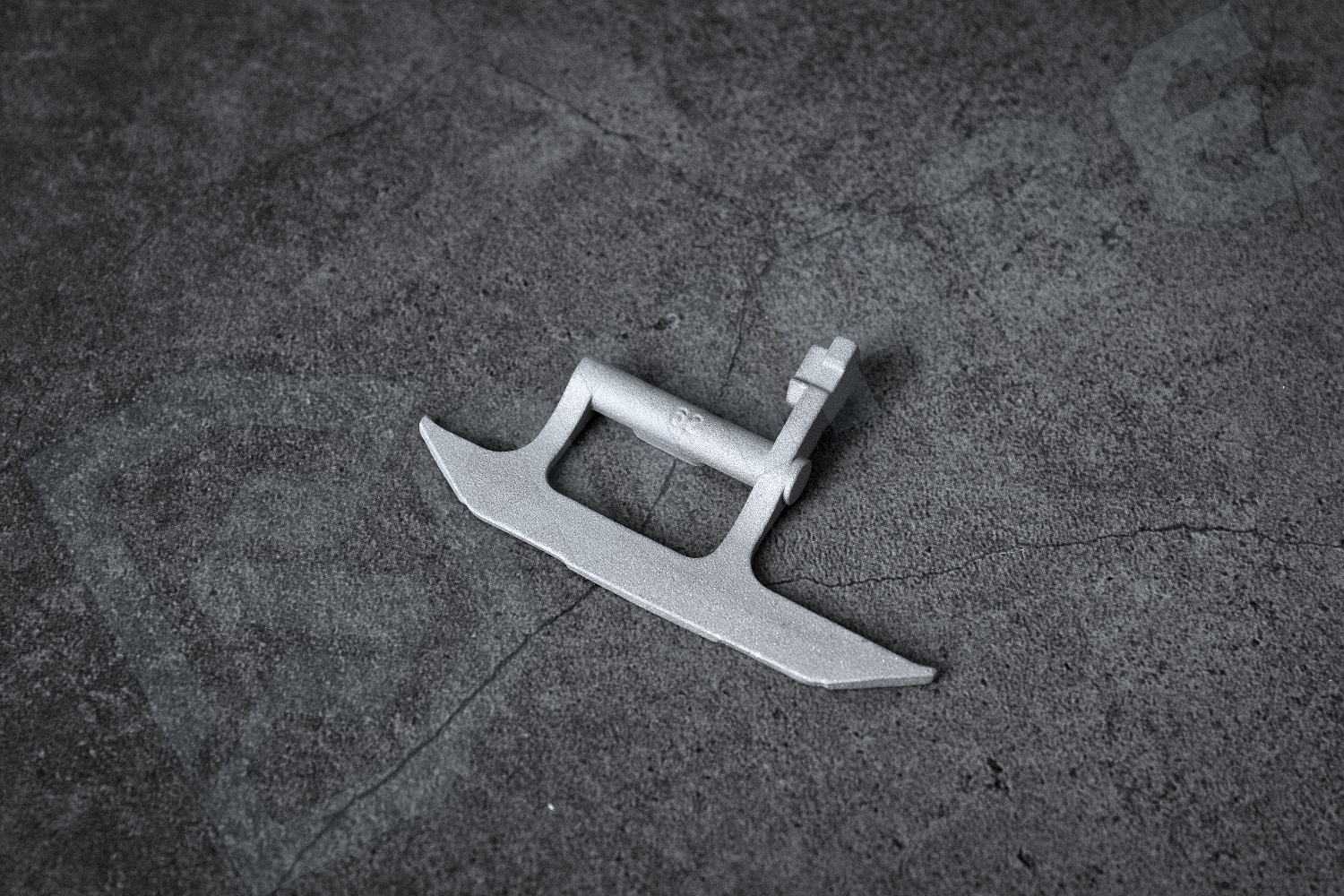
Enhancing Food Machinery with Durable Precision Machining Solutions
Durable Precision machining of food machinery accessories plays an integral role in the food machinery sector by ensuring that equipment is produced with the highest standards of accuracy and reliability
2025/07/23

Unlocking Efficiency: Advanced Precision Casting Techniques in Food Machinery
Advanced precision casting techniques are transforming the landscape of food machinery manufacturing. Their ability to enhance efficiency, quality, and sustainability positions them as a critical factor in the industry’s future
2025/07/23
Enhancing Textile Machinery Efficiency through Quality Precision Casting
Quality precision casting is a cornerstone of effective textile machinery manufacturing. By leveraging advanced casting techniques, selecting appropriate materials, and maintaining rigorous quality checks, manufacturers can produce reliable, high-performance machinery components
2025/07/23
CONTACT US
Tel: +86 136-5494-1611
E-mail: alexzheng@sakabe.cn
Office Address:
No.18 Dongbei Qi Street, Jinpu New Area, Dalian, Liaoning, China
Factory Address:
No.26 Fuan Street, Jinpu New Area, Dalian, Liaoning, China
