


How Does Precision Machining Enhance the Performance of Textile Machine Parts
Precision machining of textile machine parts is a fundamental process in the manufacturing sector, particularly within the textile industry. This specialized field involves the meticulous shaping and finishing of various components essential for textile machinery, ensuring they function optimally and perform reliably. Precision machining refers to the process of removing material from a workpiece using cutting tools to achieve precise dimensions and tolerances. This is especially important in textile machine parts, which must withstand the rigors of constant use and varying operational conditions.

One key aspect of precision machining is the use of advanced technologies and techniques. CNC (Computer Numerical Control) machining is a popular method that allows for high levels of accuracy and repeatability. This technology automates the machining process, enabling manufacturers to create complex designs that would be challenging or impossible to achieve through traditional methods. Moreover, CNC machining reduces the likelihood of human error, resulting in consistently high-quality parts.
In the context of textile machinery, precision machining ensures that components such as spindles, gears, and rollers are manufactured to exact specifications. These parts play a crucial role in the overall efficiency of textile production, affecting everything from the speed of operation to the quality of the final product. For example, a precisely machined spindle will rotate smoothly and consistently, which is vital for maintaining the integrity of the fabric being produced.
Another significant advantage of precision machining is its ability to accommodate various materials. Textile machine parts can be made from metals, plastics, or composites, and precision machining techniques can be adapted to suit each material’s unique properties. This versatility allows manufacturers to select the most suitable material for their specific applications, enhancing the durability and performance of the machinery.
Additionally, precision machining facilitates the creation of custom parts tailored to the specific needs of a textile manufacturer. As the textile industry evolves, the demand for specialized equipment increases and precision machining allows for the rapid development of new components to meet these changing requirements. This adaptability is crucial for businesses looking to stay competitive in a fast-paced market.
Precision machining of textile machine parts is an essential process that contributes significantly to the efficiency and quality of textile production. By leveraging advanced technologies and techniques, manufacturers can produce components that not only meet rigorous standards but also enhance the overall performance of textile machinery. As the industry continues to evolve, the importance of precision machining will only grow, making it a critical area of focus for manufacturers aiming to succeed in today’s competitive landscape.

Enhancing Precision and Efficiency: Dewax Casting for Beverage Machinery Parts
Dewax casting plays an essential role in the manufacturing of beverage machinery parts, providing a method that emphasizes precision, efficiency, and durability
2025/05/20
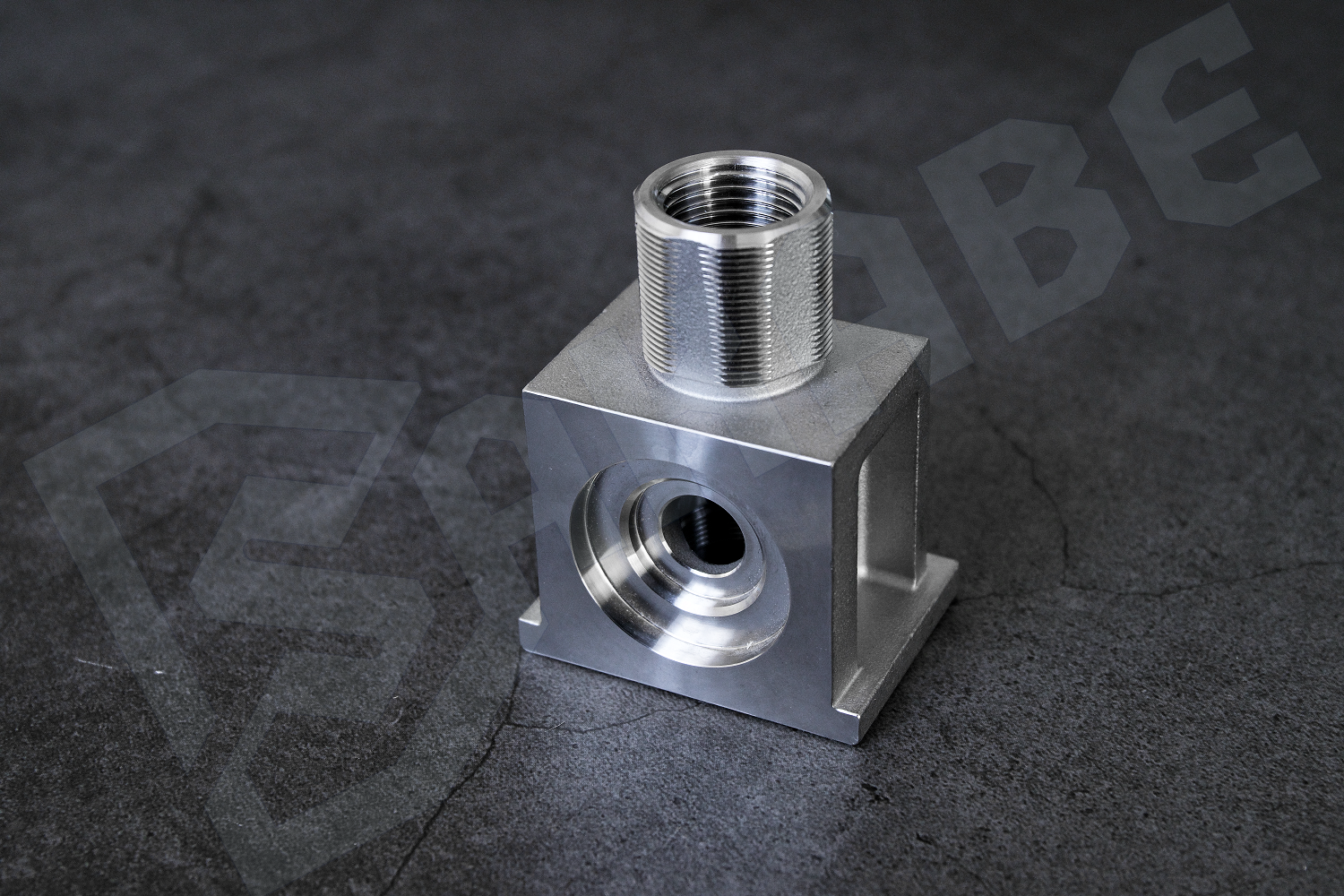
Introduction to Dewax Casting in Food Machinery Components
Dewax casting is an essential manufacturing process that significantly enhances the production of **food machinery components**. Its ability to create precise, intricate designs while ensuring durability makes it a favored choice in the food industry
2025/05/20
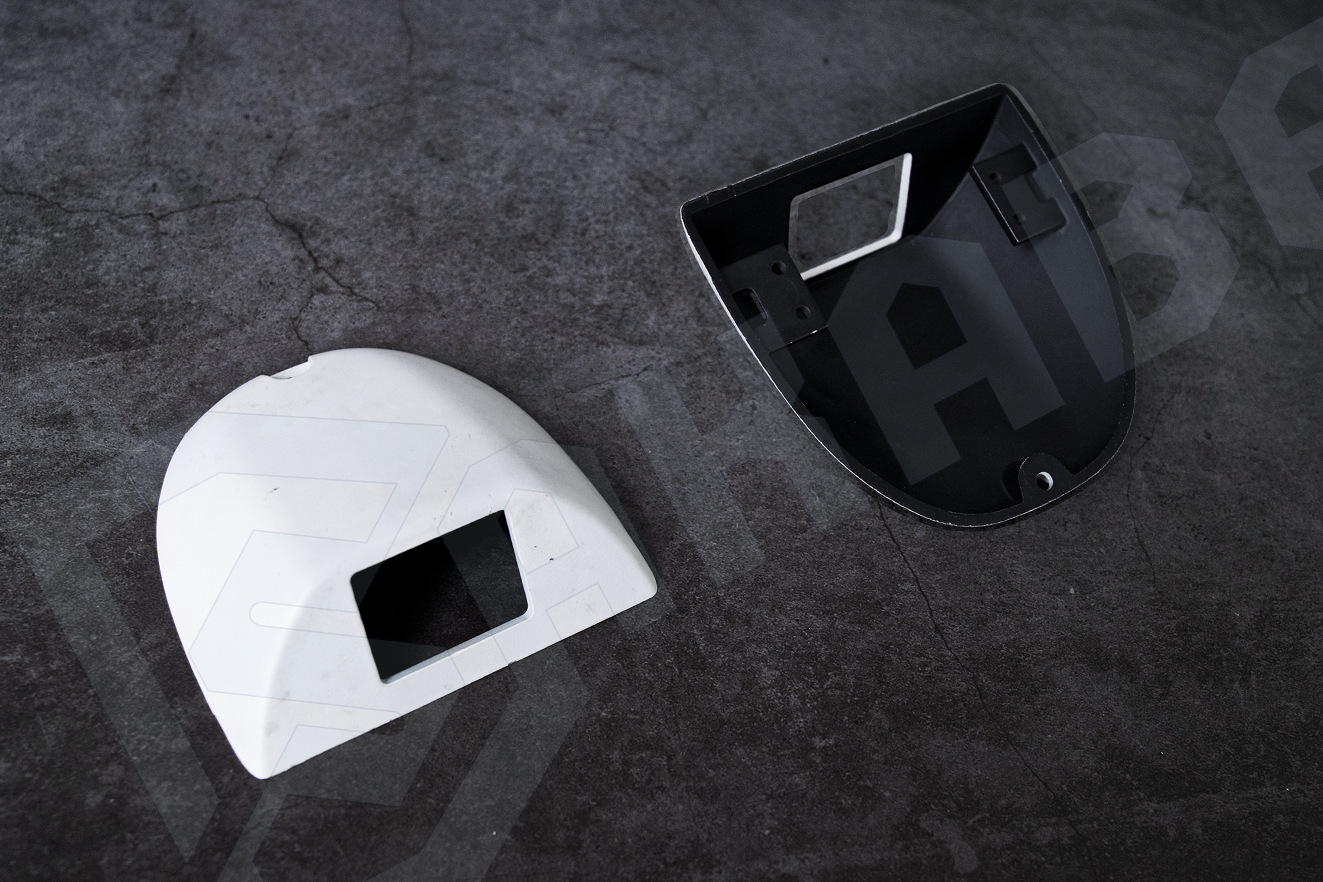
Dewax Casting for Sewing Machine Parts: Precision, Efficiency, and Cost-Effective Production
Dewax casting for sewing machine parts, also known as lost-wax casting, is a sophisticated manufacturing process that is especially beneficial in the production of sewing machine parts
2025/05/20

Understanding the Importance of Dewax Casting in Textile Machinery Manufacturing
Dewax casting for textile machinery parts, a crucial technique in the manufacturing of textile machinery, has garnered increased attention for its significant contribution to production efficiency and product quality
2025/05/15
CONTACT US
Tel: +86 136-5494-1611
E-mail: alexzheng@sakabe.cn
Office Address:
No.18 Dongbei Qi Street, Jinpu New Area, Dalian, Liaoning, China
Factory Address:
No.26 Fuan Street, Jinpu New Area, Dalian, Liaoning, China
