


Sand Casting of Flowmeter Valves: A Cost-Effective Solution for Precision and Flexibility
Sand casting of flowmeter valves, also known as sand mold casting, is a process where sand is used as the primary molding material to form a mold for the desired metal component. This method is particularly relevant for manufacturing flowmeter valves due to its ability to produce complex shapes and sizes cost-effectively. The process begins with creating a pattern, typically made of metal or plastic, which is then used to form the sand mold. Once the mold is prepared, molten metal is poured into the cavity, allowed to cool, and subsequently removed, resulting in a finished flowmeter valve.

One of the primary benefits of sand casting of flowmeter valves is flexibility. The sand casting process can accommodate a wide range of materials, including various alloys and metals, making it suitable for manufacturing valves that require specific material properties such as corrosion resistance or high-temperature stability. This flexibility allows manufacturers to tailor their products based on the operational demands of different flowmeter applications.
Additionally, sand casting enables the production of intricate designs and geometries. Flowmeter valves often require complex internal passages and features to facilitate precise fluid control and measurement. Sand casting’s ability to create detailed molds allows for the realization of these intricate designs without the need for extensive machining or additional processing, ultimately streamlining the manufacturing process and reducing lead times.
Another notable advantage is the cost-effectiveness of sand casting. Compared to other casting methods, such as investment casting, sand casting typically requires less expensive equipment and materials. This cost efficiency is particularly beneficial for small to medium-sized production runs of flowmeter valves, as it allows manufacturers to maintain competitive pricing while ensuring high-quality output.
Moreover, the sand casting process is also environmentally friendly. The sand used in the molds can be reused multiple times, reducing waste and minimizing the environmental impact associated with the production of flowmeter valves. This sustainability aspect is increasingly important in today's manufacturing landscape, where eco-friendly practices are becoming a priority for many companies.
Sand casting of flowmeter valves is a valuable manufacturing technique for producing flowmeter valves, offering flexibility, cost-effectiveness, and the ability to create complex designs. By leveraging these advantages, manufacturers in the mechanical processing and metalworking industry can enhance their production capabilities and deliver high-quality flowmeter valves that meet diverse customer needs. Understanding the intricacies of sand casting not only benefits manufacturers but also contributes to improved performance in flow measurement applications.
Heat Treatment Tool Casting: Enhancing Performance and Durability in Manufacturing
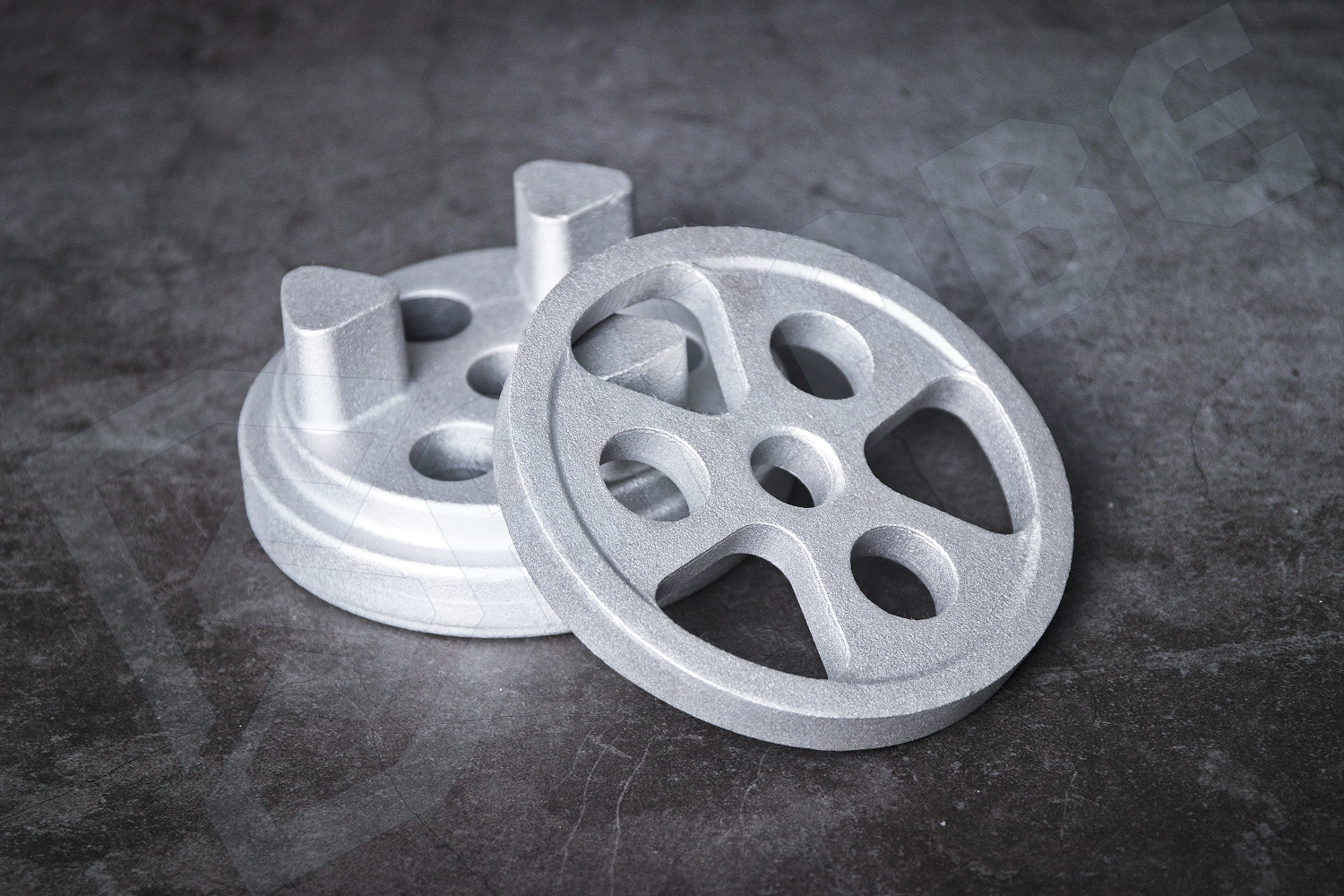
Heat treatment is an indispensable aspect of tool casting that significantly contributes to the performance and durability of industrial tools
2024/10/23

Unlocking Precision: The Role of Casting in Medical Tool Parts
In the ever-evolving landscape of medical tool manufacturing, medical tool parts casting stands out as a critical process that ensures precision, reliability, and innovation
2024/10/23
Medical Equipment Parts Casting Ensures Precision Quality and Innovation in Healthcare Manufacturing
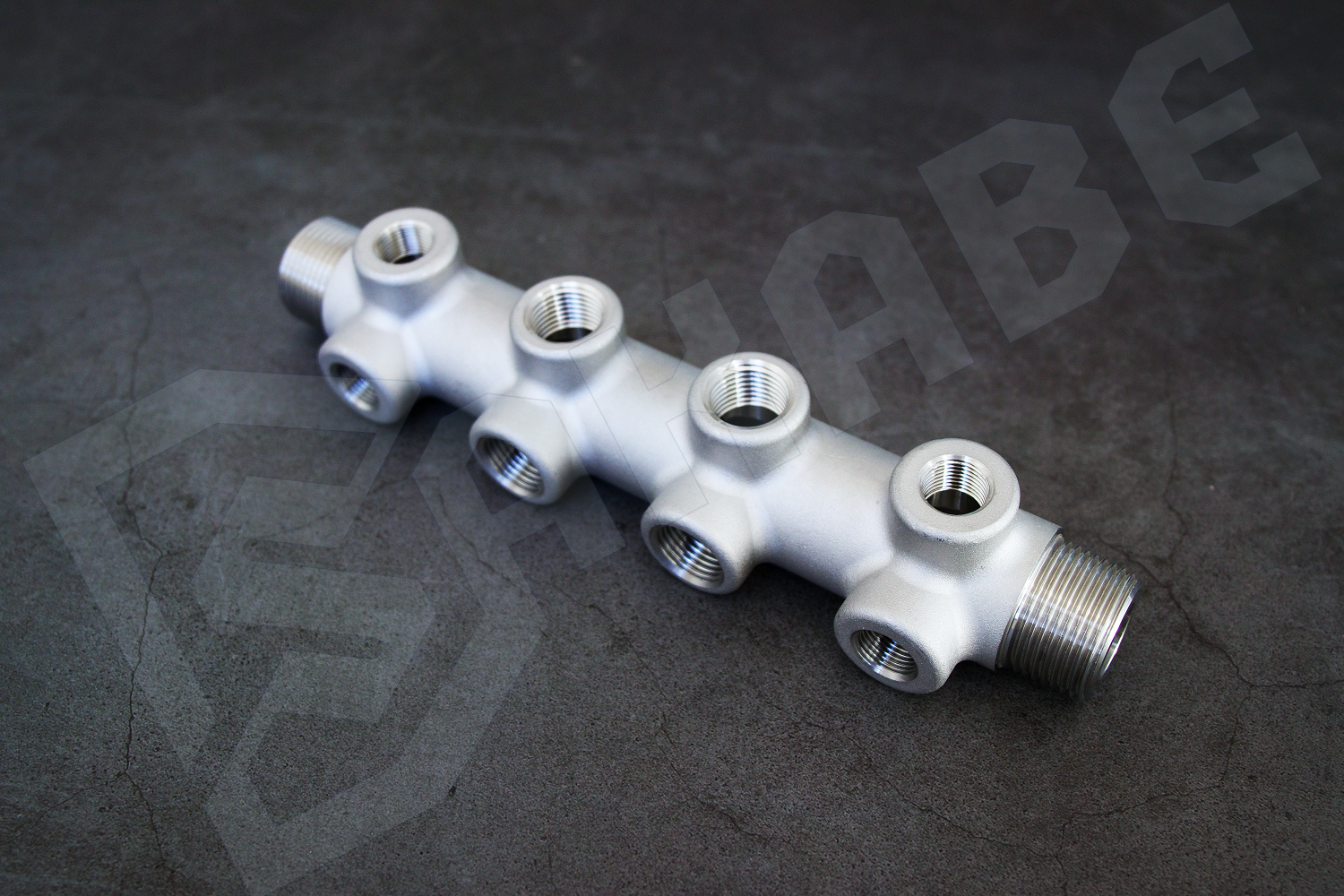
Another significant aspect of medical equipment parts casting is the consistency it offers. High-quality casting processes ensure that each part produced meets the necessary specifications and tolerances
2024/10/23

The Environmental Impact of Flowmeter Parts Casting in Manufacturing
The environmental impact of flowmeter parts casting in manufacturing is a pressing issue that requires immediate attention. By understanding the implications of traditional casting processes and embracing sustainable practices and technological innovations, manufacturers can significantly reduce their ecological footprints.
2024/10/23
CONTACT US
Tel: +86 136-5494-1611
E-mail: alexzheng@sakabe.cn
Office Address:
No.18 Dongbei Qi Street, Jinpu New Area, Dalian, Liaoning, China
Factory Address:
No.26 Fuan Street, Jinpu New Area, Dalian, Liaoning, China
