


How Do You Understand the Various Components of a Flow Meter to Ensure Optimal Performance
In industrial equipment, flowmeters play a crucial role in measuring the flow rate of liquids and gases. Understanding the various flowmeter parts is essential for optimal performance, maintenance, and troubleshooting. Flowmeters are composed of several key components, each serving a specific purpose that contributes to the device's overall functionality.
The primary part of any flowmeter is the **sensor**. This component is responsible for detecting the flow rate of the substance passing through the meter. Different types of sensors, such as mechanical, electromagnetic, and ultrasonic sensors, are available, each suitable for specific applications. Selecting the right sensor type is critical, as it can impact the accuracy and reliability of measurements.
Another vital component is the **transmitter**. This electronic device converts the data collected by the sensor into a format that can be easily read and analyzed. Transmitters often include features for calibration and diagnostics, allowing operators to maintain accurate flow measurements over time. Understanding how the transmitter works and its interaction with the sensor is essential for effective flowmeter operation.
**Flow tubes** are also significant parts of flowmeters. These tubes channel the fluid or gas being measured, and their design can influence the performance of the flowmeter. For instance, smooth flow tubes minimize turbulence, which can enhance measurement accuracy. It is important to consider the material and diameter of the flow tube based on the fluid characteristics and flow conditions.
Additionally, **valves** and **fittings** are crucial flowmeter components that help control the flow of materials. These parts can include shut-off valves, check valves, and pressure relief valves, each serving a unique role in managing the flow process. Proper installation and maintenance of these parts are vital for ensuring the overall effectiveness of the flowmeter system.
**Calibration** is another integral aspect of flowmeter maintenance. Regular calibration of flowmeter parts ensures that the system remains accurate over time. This process involves comparing the measurements of the flowmeter against a standard reference and adjusting the settings to correct any deviations.
Understanding flowmeter parts is essential for anyone involved in industrial applications. By familiarizing yourself with each component's function and significance, you can enhance the efficiency and reliability of your flow measurement processes. Whether you are selecting a flowmeter for a new project or maintaining an existing system, knowledge of these parts will help ensure optimal performance in your operations.

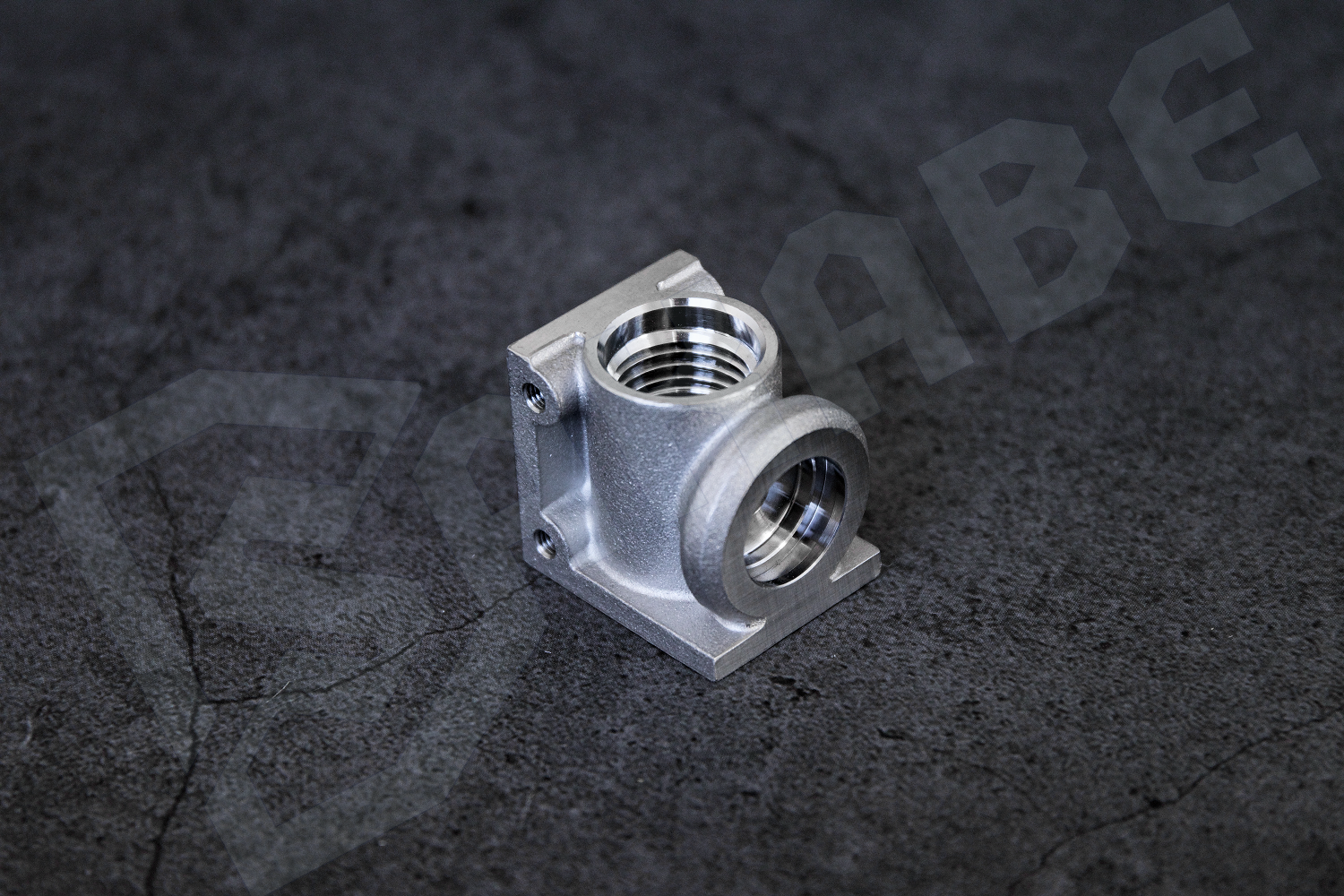
Unlocking the Benefits of MIM Casting in Manufacturing
MIM casting is highly efficient, allowing the production of complex shapes that would be challenging or impossible to achieve with traditional machining methods
2024/12/20
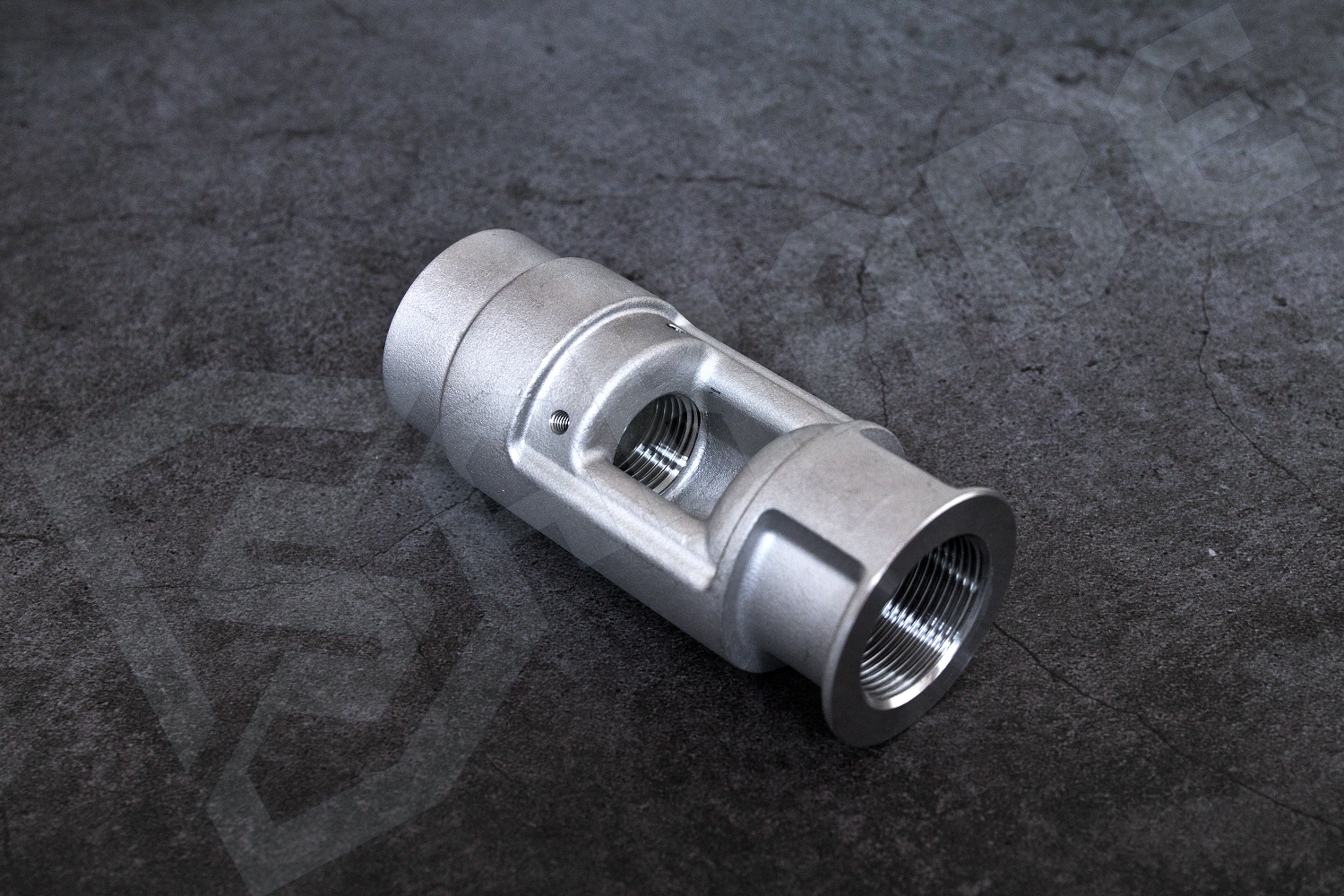
What Are the Advantages of Metal Injection Molding
Metal injection molding is an advanced manufacturing process that combines the virtues of traditional injection molding with the capabilities of powder metallurgy
2024/12/20

Essential Components: Understanding Medical Equipment Parts
As technology advances, staying informed about the latest developments in medical equipment parts will be essential for delivering high-quality healthcare
2024/12/20
CONTACT US
Tel: +86 136-5494-1611
E-mail: alexzheng@sakabe.cn
Office Address:
No.18 Dongbei Qi Street, Jinpu New Area, Dalian, Liaoning, China
Factory Address:
No.26 Fuan Street, Jinpu New Area, Dalian, Liaoning, China
