

Enhancing Industrial Efficiency with Heat Treatment Fixtures
Heat treatment fixtures are integral components used in the process of heat treatment, which is a crucial procedure utilized in metalworking and manufacturing. These fixtures serve multiple purposes, including the proper positioning of parts, ensuring uniform heating or cooling, and maintaining the mechanical integrity of the components throughout the treatment process. By understanding heat treatment fixtures, professionals in the industrial equipment and components sector can enhance the performance of their tools and fixtures.
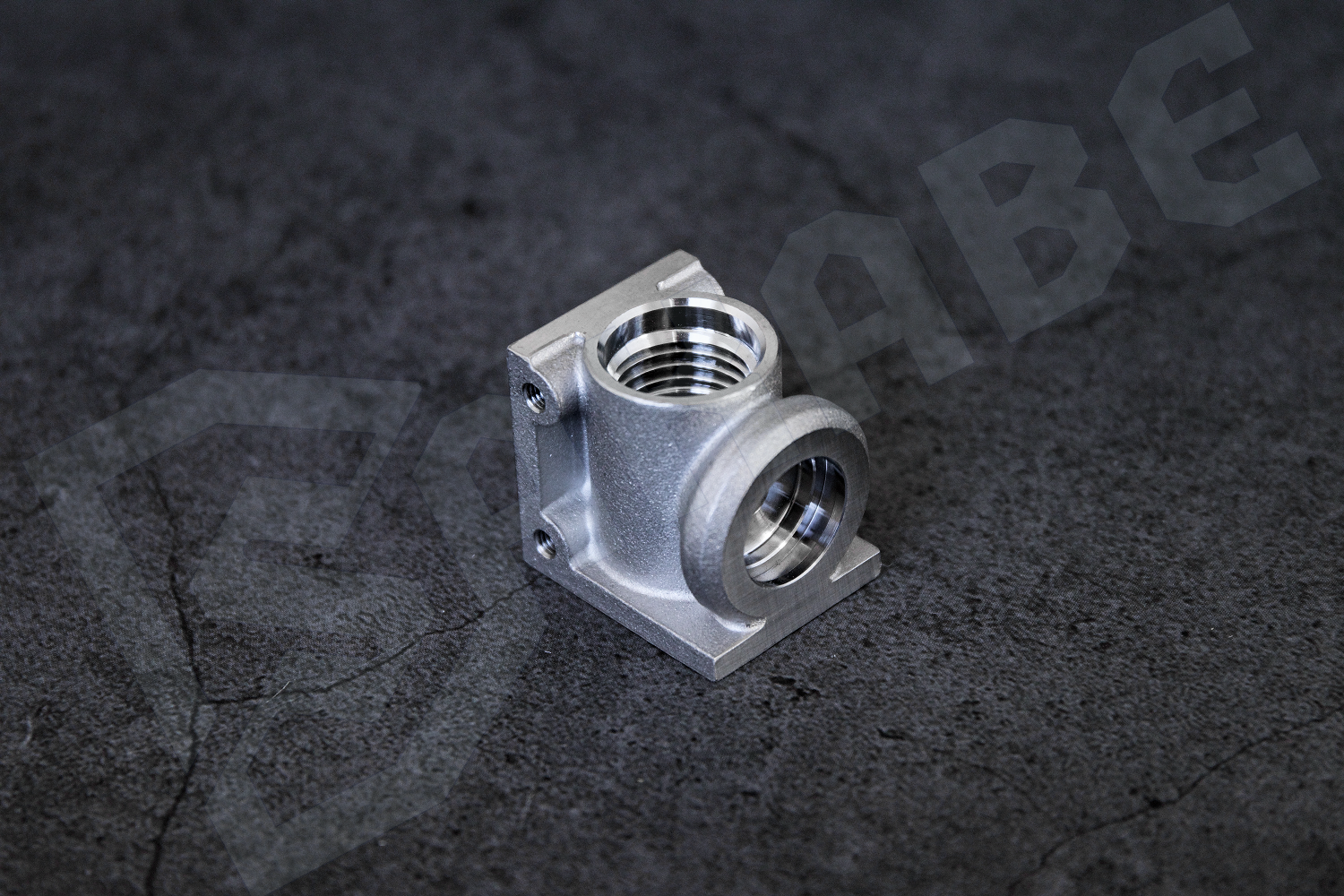
The primary function of heat treatment fixtures is to support and secure the workpieces during the heating and cooling phases. A well-designed fixture ensures that the parts remain stable, preventing warping or distortion that could occur due to uneven heating. This is particularly important when treating materials that are sensitive to temperature changes, such as steel or aluminum alloys. Properly implemented, these fixtures help achieve consistent results, which is essential for industries relying on precision engineering.
Moreover, heat treatment fixtures can be tailored to accommodate various shapes and sizes of components. Customization is key in ensuring that the fixtures align with the specific requirements of the heat treatment process, whether it involves hardening, annealing, or tempering. The design of these fixtures must also consider factors such as heat transfer rates, airflow, and the specific techniques employed in the heat treatment process.
Another essential aspect of heat treatment fixtures is their durability. Given that they are subjected to extreme temperatures and varying environmental conditions, these components must be constructed from high-quality materials that can withstand such stresses. Selecting the right materials not only prolongs the lifespan of the fixtures but also guarantees that they perform effectively under challenging conditions.
In addition to physical design and material considerations, manufacturers must also ensure that heat treatment fixtures comply with industry standards and regulations. Adhering to best practices in design and construction reflects a commitment to quality and safety, which can significantly impact overall operational efficiency. Organizations that prioritize these factors often see improved outcomes in their heat treatment processes, leading to higher quality finished products.
Heat treatment fixtures play a pivotal role in enhancing the efficiency and effectiveness of the heat treatment process in the industrial sector. By securing and stabilizing components during treatment, ensuring uniform heat distribution, and accommodating various sizes and shapes, these fixtures allow for precision and consistency. Understanding the importance and functionality of heat treatment fixtures is essential for professionals in the tools and fixtures industry, as it directly correlates with the performance and reliability of the equipment they produce.
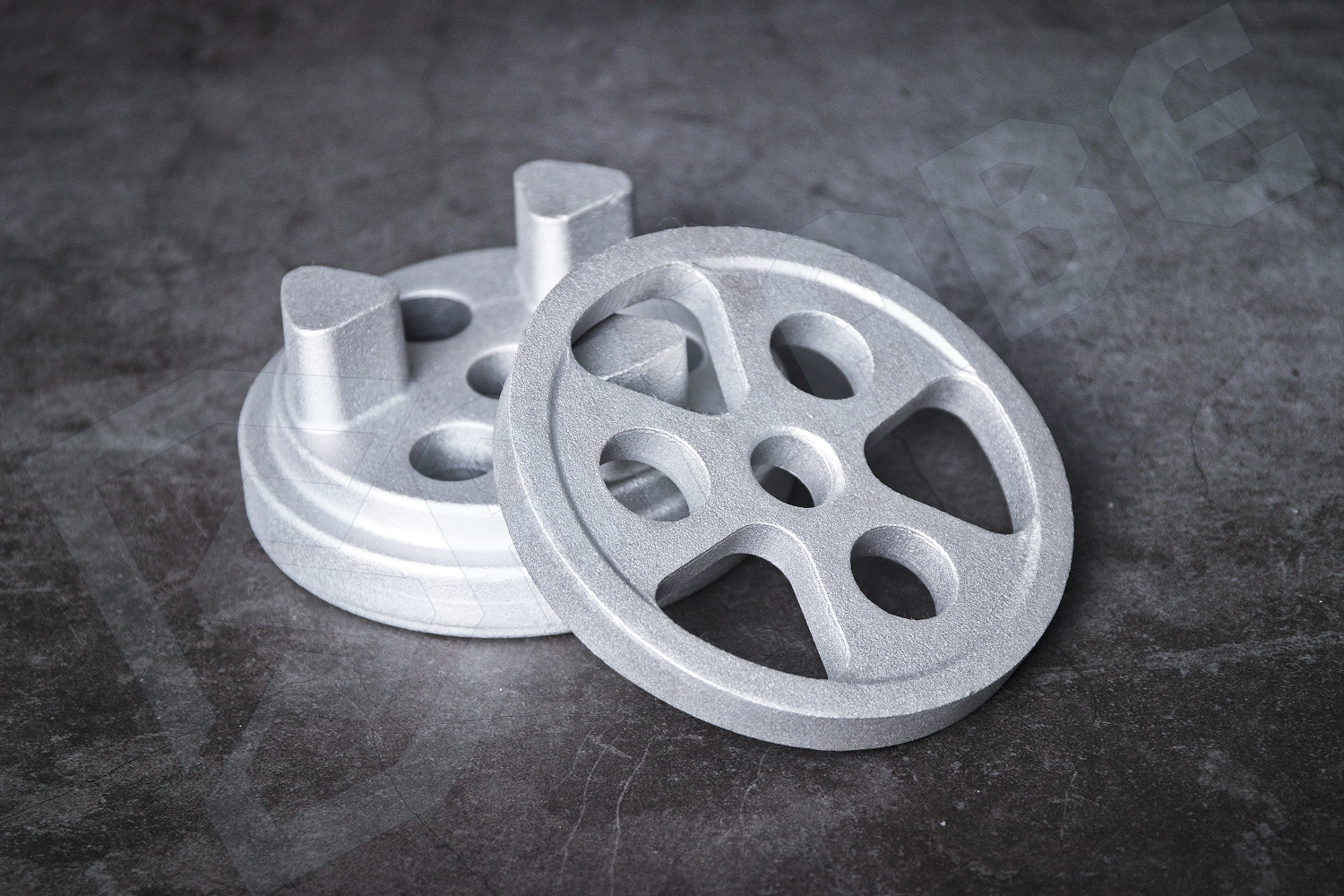
Heat Treatment Tool Casting: Enhancing Performance and Durability in Manufacturing
Heat treatment is an indispensable aspect of tool casting that significantly contributes to the performance and durability of industrial tools
2024/10/23

Unlocking Precision: The Role of Casting in Medical Tool Parts
In the ever-evolving landscape of medical tool manufacturing, medical tool parts casting stands out as a critical process that ensures precision, reliability, and innovation
2024/10/23
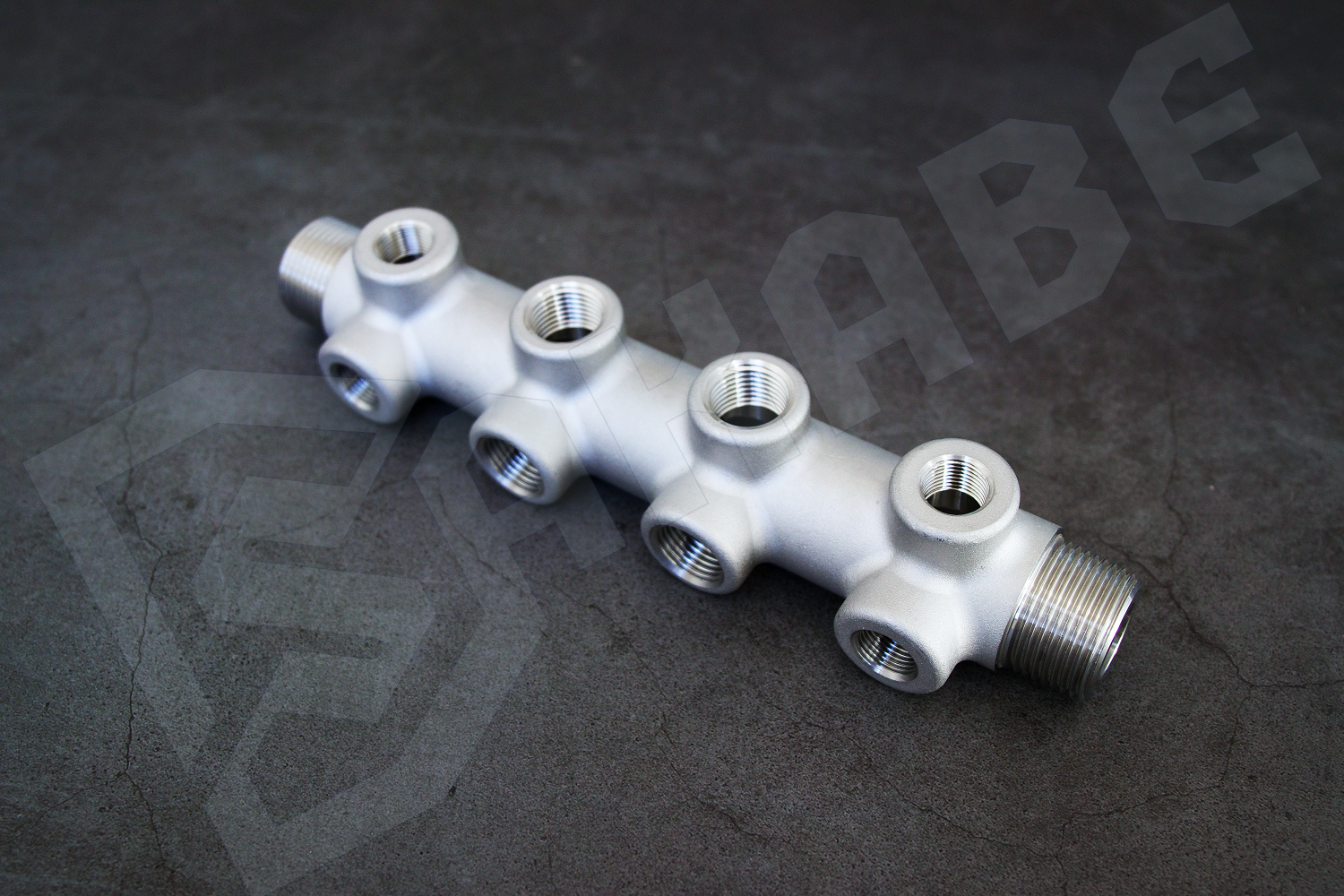
Medical Equipment Parts Casting Ensures Precision Quality and Innovation in Healthcare Manufacturing
Another significant aspect of medical equipment parts casting is the consistency it offers. High-quality casting processes ensure that each part produced meets the necessary specifications and tolerances
2024/10/23

The Environmental Impact of Flowmeter Parts Casting in Manufacturing
The environmental impact of flowmeter parts casting in manufacturing is a pressing issue that requires immediate attention. By understanding the implications of traditional casting processes and embracing sustainable practices and technological innovations, manufacturers can significantly reduce their ecological footprints.
2024/10/23
CONTACT US
Tel: +86 136-5494-1611
E-mail: alexzheng@sakabe.cn
Office Address:
No.18 Dongbei Qi Street, Jinpu New Area, Dalian, Liaoning, China
Factory Address:
No.26 Fuan Street, Jinpu New Area, Dalian, Liaoning, China
