

What Are the Advantages of Metal Injection Molding
Metal injection molding is an advanced manufacturing process that combines the virtues of traditional injection molding with the capabilities of powder metallurgy. This innovative technique enables the production of intricate and precise metal components that are difficult to achieve through conventional machining methods. MIM is especially advantageous for industries requiring high-volume production of small, complex parts with excellent mechanical properties.
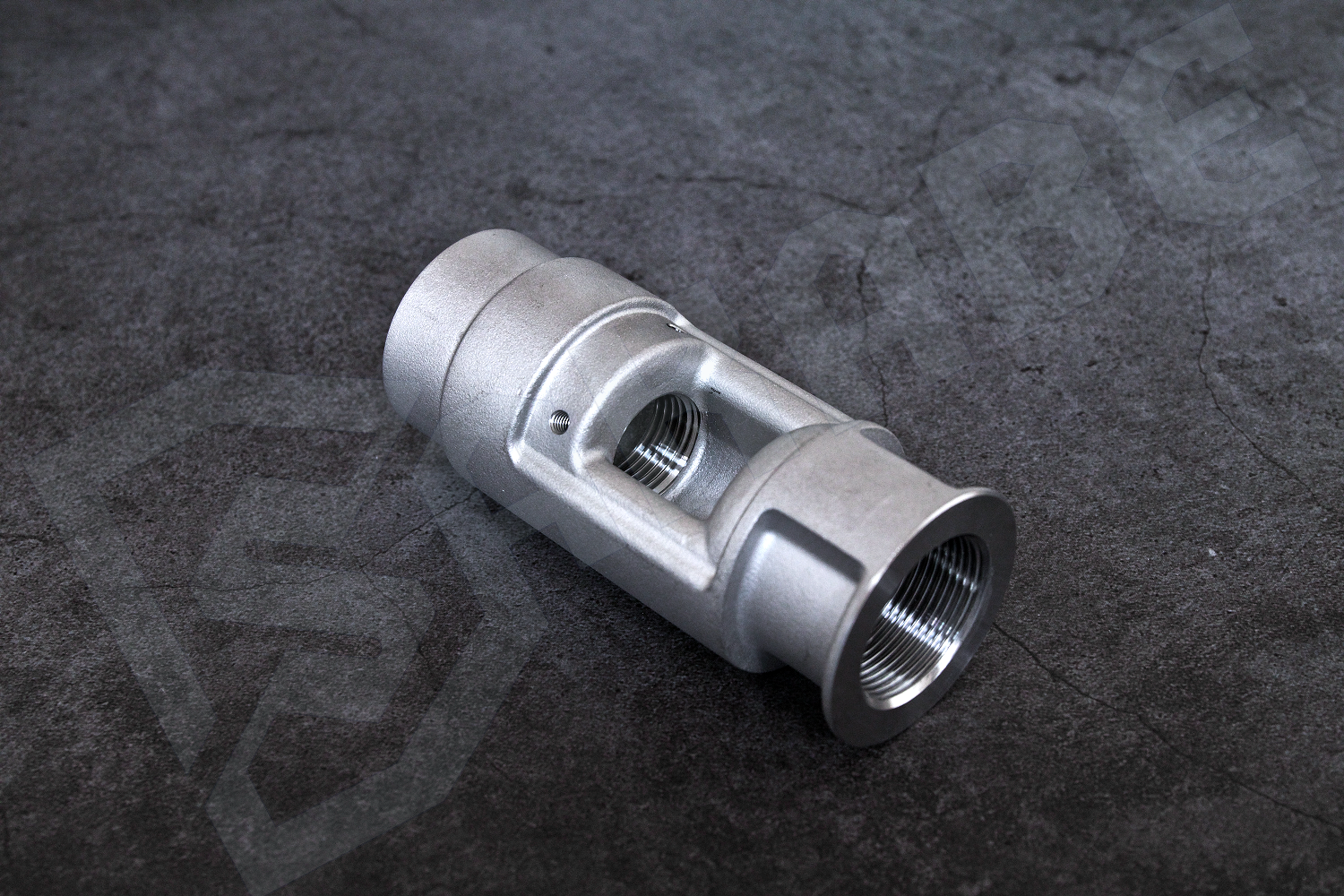
The MIM process begins with the creation of a metal powder mixed with a binder, forming a feedstock. This feedstock is then heated and injected into a mold, where it takes the desired shape. After cooling, the component undergoes a debonding process to remove the binder material, followed by sintering, where the metal particles fuse under high temperature and pressure. This sintering step is crucial, as it enhances the density and strength of the final product.
One of the primary advantages of metal injection molding is its ability to produce complex geometries that would be challenging or impossible to manufacture using traditional methods. MIM allows for design freedom, enabling engineers to create parts with intricate details, thin walls, and features that can significantly reduce the overall weight while maintaining structural integrity. This capability is particularly valuable in industries such as aerospace, automotive, and medical device manufacturing, where precision and performance are critical.
Additionally, MIM is an incredibly efficient manufacturing process. It minimizes material waste compared to traditional machining, where leftover material from cutting processes is often discarded. By using metal powders, MIM can produce near-net-shape parts, meaning less material is wasted during production, leading to cost savings and a more sustainable approach to manufacturing.
Another significant benefit of MIM is its scalability. The process is well-suited for high-volume production runs, making it ideal for manufacturers looking to meet increasing market demands. Once the initial tooling costs are covered, the cost per part significantly decreases as production scales up, providing a competitive advantage.
In conclusion, metal injection molding is a transformative process in the field of precision parts manufacturing. By offering design flexibility, efficiency, and scalability, MIM opens up new possibilities for creating high-quality metal components across various industries. Whether you are involved in aerospace, automotive, or medical manufacturing, understanding the advantages of MIM can empower you to make informed decisions for your production needs. As the manufacturing landscape continues to evolve, embracing innovative techniques like metal injection molding will be essential for staying competitive and meeting the demands of the future.

Understanding the Importance of Dewax Casting in Textile Machinery Manufacturing
Dewax casting for textile machinery parts, a crucial technique in the manufacturing of textile machinery, has garnered increased attention for its significant contribution to production efficiency and product quality
2025/05/15

Dewax Casting for Food Machinery Accessories: Precision Manufacturing for Safety and Efficiency
Dewax casting for food machinery accessories is a sophisticated technique employed in the manufacturing of food machinery accessories, serving as an essential process in the broader domain of metal casting and machining
2025/05/20

Why Precision Machining is Essential for Food Industry Equipment
Precision machining of food machinery accessories refers to the process of removing material from a workpiece to achieve tight tolerances and desired specifications
2025/05/20
CONTACT US
Tel: +86 136-5494-1611
E-mail: alexzheng@sakabe.cn
Office Address:
No.18 Dongbei Qi Street, Jinpu New Area, Dalian, Liaoning, China
Factory Address:
No.26 Fuan Street, Jinpu New Area, Dalian, Liaoning, China
