


Recent trends in sewing machine casting involve the adoption of advanced materials that offer superior strength-to-weight ratios. This is particularly important as manufacturers strive to create machines that are both lightweight and robust, facilitating ease of use while maintaining structural integrity under high operational loads. Innovations such as aluminum alloys and high-performance composites are becoming increasingly popular, providing improved resistance to wear and tear, which is a common issue in high-volume production environments.
Moreover, the design of casting parts has evolved to include more intricate geometries and features that enhance the overall functionality of the sewing machine. For instance, modern casting techniques such as 3D printing and precision die-casting allow for the creation of complex shapes that were previously difficult or impossible to achieve. These advancements not only contribute to the aesthetic appeal of the machines but also optimize airflow and heat dissipation, which are critical for maintaining performance during prolonged use.
Another noteworthy development in the realm of casting parts for sewing machines is the integration of smart technology. By incorporating sensors and IoT (Internet of Things) capabilities into casting designs, manufacturers can create machines that offer real-time performance monitoring and predictive maintenance alerts. This transition toward intelligent machinery not only enhances operational efficiency but also minimizes downtime, leading to increased productivity and cost savings for garment manufacturers.
Furthermore, sustainability is becoming a significant focus in the production of sewing machine casting parts. Manufacturers are exploring eco-friendly practices, such as the use of recycled materials and energy-efficient production methods. This shift not only helps reduce the environmental impact of production processes but also appeals to businesses looking to enhance their corporate social responsibility profiles.
In summary, the newest sewing machine casting parts are at the forefront of innovation in the garment manufacturing industry. By utilizing advanced materials, cutting-edge designs, and smart technology, these components not only enhance the performance and durability of sewing machines but also pave the way for more sustainable manufacturing practices. As the industry continues to evolve, staying informed about these advancements will be essential for manufacturers looking to remain competitive in a rapidly changing market.

Enhancing Precision and Efficiency: Dewax Casting for Beverage Machinery Parts
Dewax casting plays an essential role in the manufacturing of beverage machinery parts, providing a method that emphasizes precision, efficiency, and durability
2025/05/20
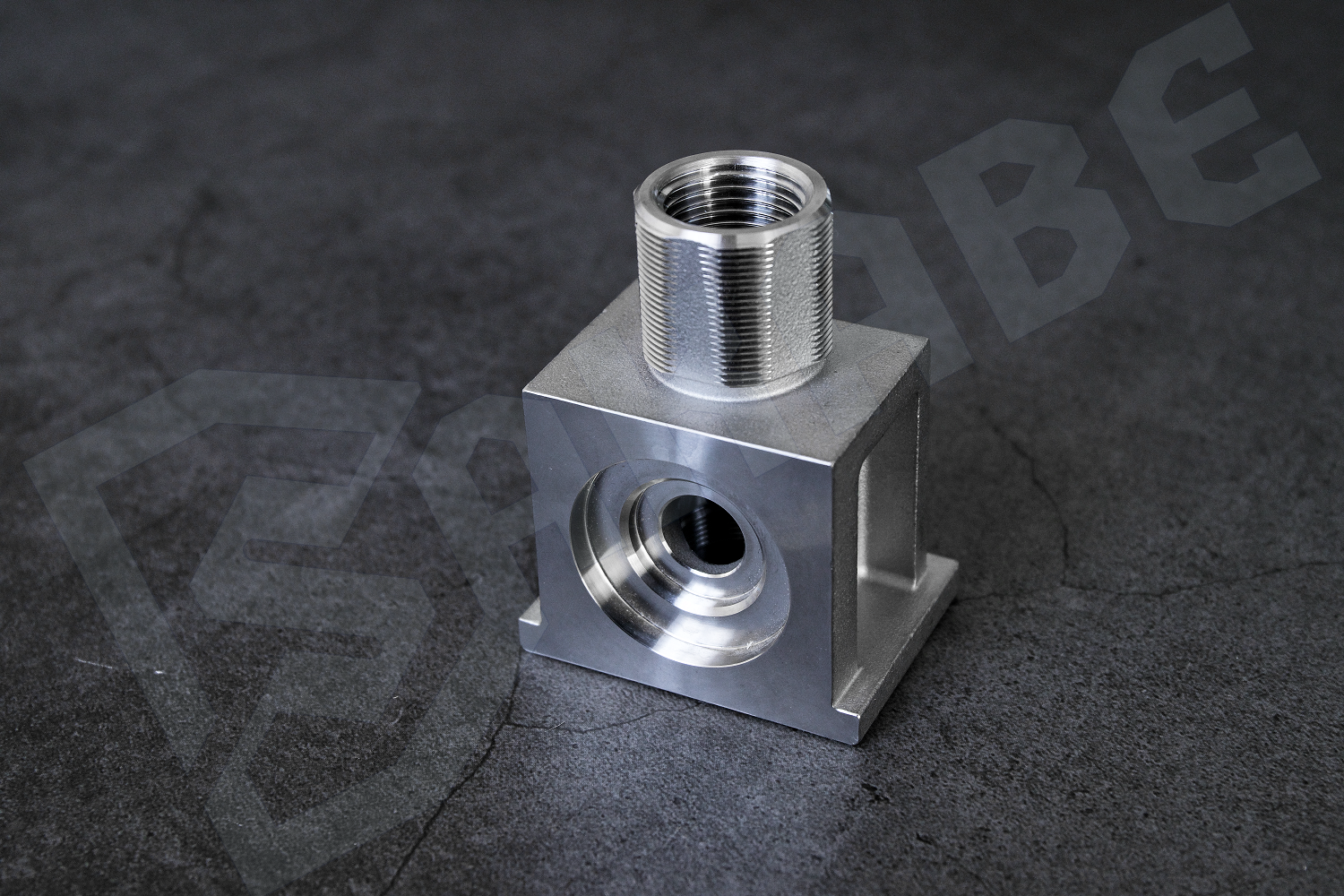
Introduction to Dewax Casting in Food Machinery Components
Dewax casting is an essential manufacturing process that significantly enhances the production of **food machinery components**. Its ability to create precise, intricate designs while ensuring durability makes it a favored choice in the food industry
2025/05/20
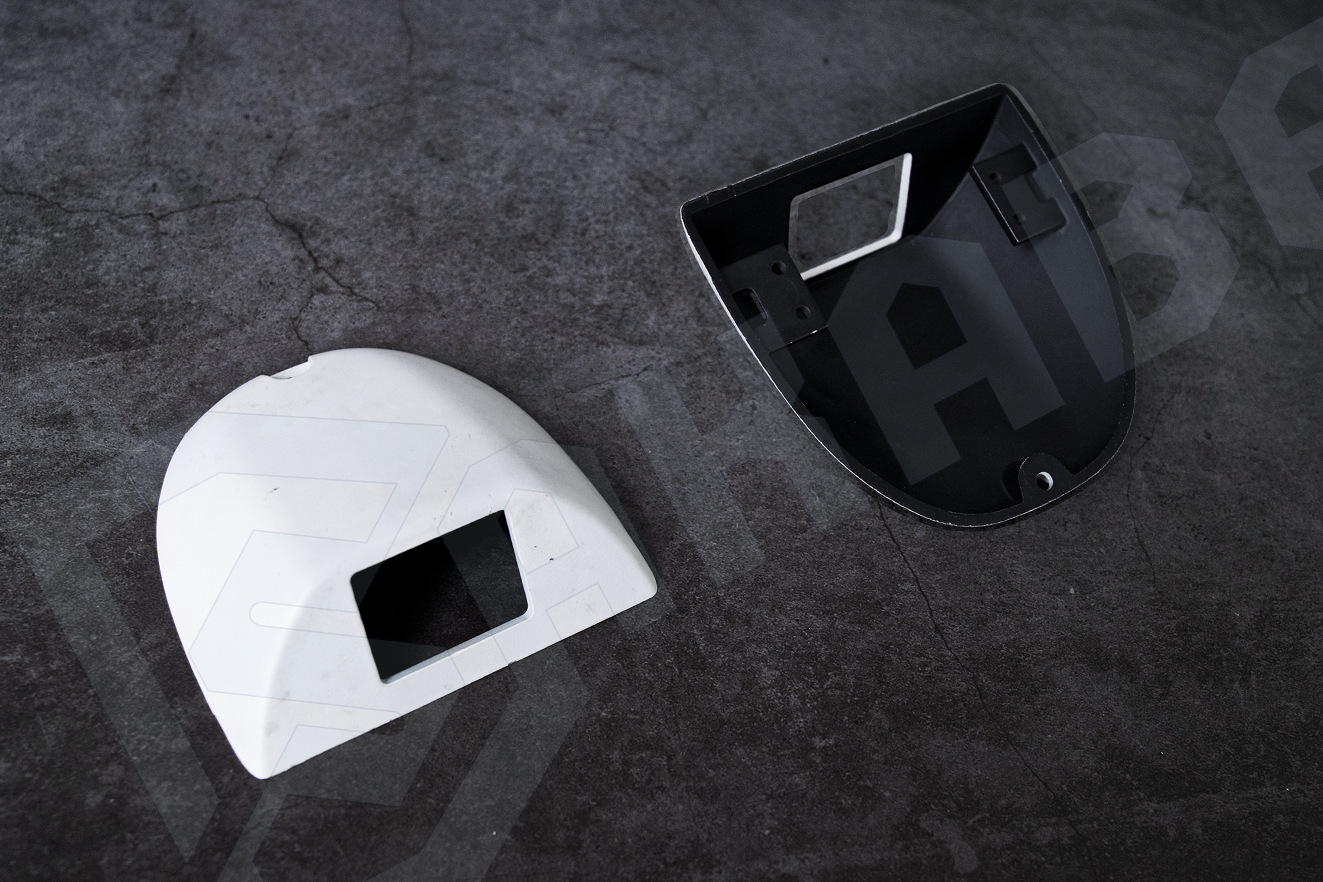
Dewax Casting for Sewing Machine Parts: Precision, Efficiency, and Cost-Effective Production
Dewax casting for sewing machine parts, also known as lost-wax casting, is a sophisticated manufacturing process that is especially beneficial in the production of sewing machine parts
2025/05/20

Understanding the Importance of Dewax Casting in Textile Machinery Manufacturing
Dewax casting for textile machinery parts, a crucial technique in the manufacturing of textile machinery, has garnered increased attention for its significant contribution to production efficiency and product quality
2025/05/15
CONTACT US
Tel: +86 136-5494-1611
E-mail: alexzheng@sakabe.cn
Office Address:
No.18 Dongbei Qi Street, Jinpu New Area, Dalian, Liaoning, China
Factory Address:
No.26 Fuan Street, Jinpu New Area, Dalian, Liaoning, China
