


One of the primary advantages of utilizing customized die-casting parts in sewing machines is the efficiency it offers. The die-casting process allows for rapid production cycles, which means that manufacturers can produce large quantities of parts in a relatively short timeframe. This feature is essential in the sewing machine industry, where demand can fluctuate significantly. Moreover, the durability of die-cast parts ensures that sewing machines can withstand the rigors of continuous use, making them ideal for both industrial and domestic applications.
Customization is another critical aspect of die-casting in sewing machine parts. Manufacturers can tailor these components to meet specific requirements, including size, shape, and material properties. This flexibility is particularly valuable in a competitive market where differentiation is key. By customizing die-casting parts, companies can enhance the functionality and performance of their sewing machines, catering to the unique needs of their customers.
The die-casting process involves several stages, starting from mold design and material selection to the actual casting and finishing processes. The choice of metals, such as aluminum or zinc alloys, significantly impacts the performance and weight of the final product. Additionally, advanced techniques like pressure die-casting can further refine the quality of the parts, resulting in enhanced mechanical properties and reduced porosity.
Furthermore, the integration of advanced technologies, such as computer-aided design (CAD) and computer-aided manufacturing (CAM), has revolutionized the customization of sewing machine die-casting parts. These technologies enable manufacturers to create intricate designs and simulate the die-casting process, thus reducing lead times and increasing production efficiency.
In conclusion, customized sewing machine die-casting parts are essential components that contribute significantly to the efficiency, performance, and reliability of sewing machines. By leveraging the advantages of die-casting, manufacturers can produce high-quality, durable parts tailored to meet the specific needs of their clients. As the industry continues to evolve, the importance of customization and innovation in die-casting will only grow, driving advancements in manufacturing processes and technologies.

Enhancing Precision and Efficiency: Dewax Casting for Beverage Machinery Parts
Dewax casting plays an essential role in the manufacturing of beverage machinery parts, providing a method that emphasizes precision, efficiency, and durability
2025/05/20
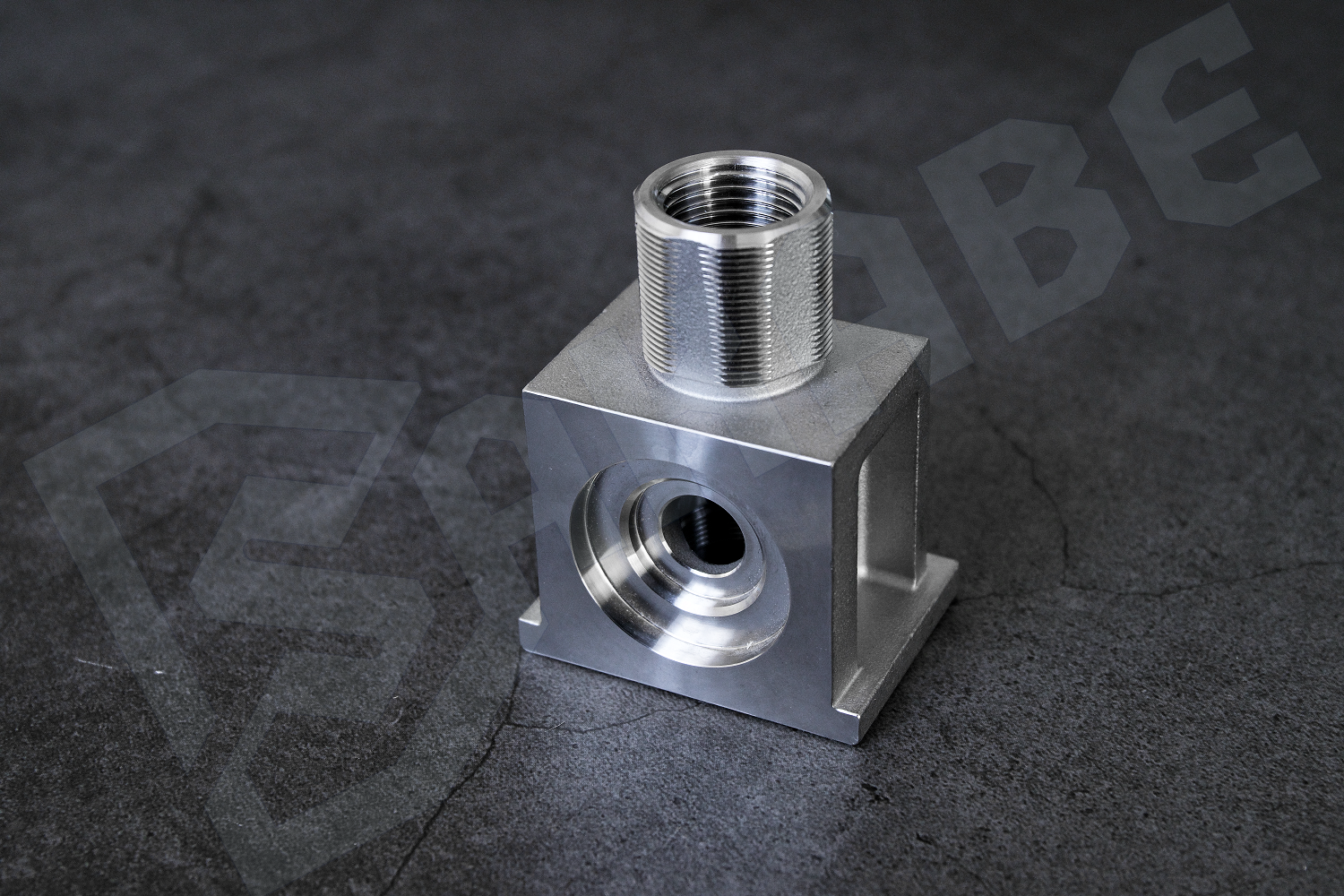
Introduction to Dewax Casting in Food Machinery Components
Dewax casting is an essential manufacturing process that significantly enhances the production of **food machinery components**. Its ability to create precise, intricate designs while ensuring durability makes it a favored choice in the food industry
2025/05/20
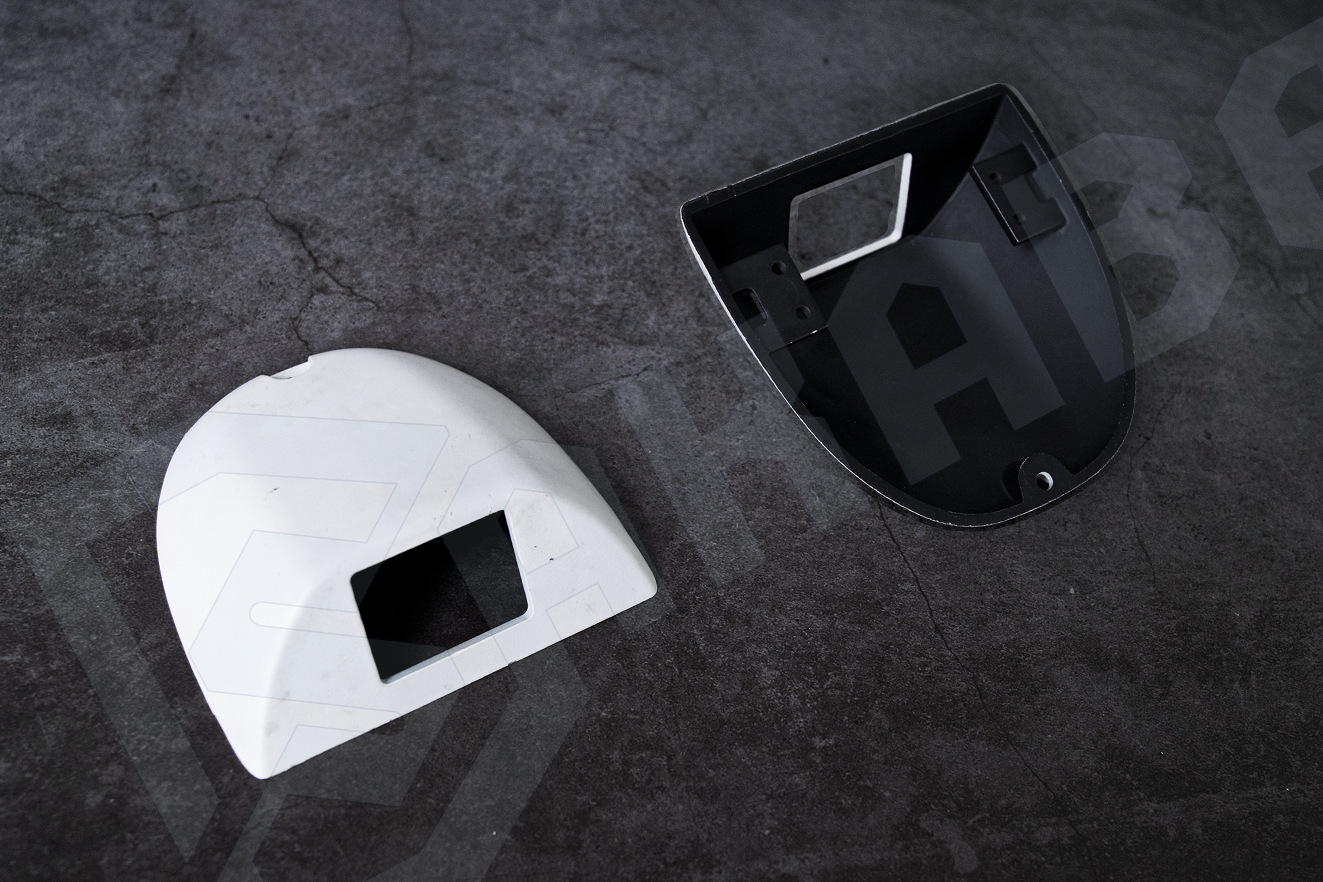
Dewax Casting for Sewing Machine Parts: Precision, Efficiency, and Cost-Effective Production
Dewax casting for sewing machine parts, also known as lost-wax casting, is a sophisticated manufacturing process that is especially beneficial in the production of sewing machine parts
2025/05/20

Understanding the Importance of Dewax Casting in Textile Machinery Manufacturing
Dewax casting for textile machinery parts, a crucial technique in the manufacturing of textile machinery, has garnered increased attention for its significant contribution to production efficiency and product quality
2025/05/15
CONTACT US
Tel: +86 136-5494-1611
E-mail: alexzheng@sakabe.cn
Office Address:
No.18 Dongbei Qi Street, Jinpu New Area, Dalian, Liaoning, China
Factory Address:
No.26 Fuan Street, Jinpu New Area, Dalian, Liaoning, China
