

One of the primary advantages of wholesale precision casting is its ability to create components with tight tolerances and smooth surface finishes. This is particularly beneficial in industries where precision is paramount, such as aerospace, automotive, and other heavy machinery sectors. The precision casting process involves creating a mold from a pattern, which is then filled with molten metal. Once cooled, the mold is removed to reveal a near-net-shape component that often requires little to no further machining.
Heat treatment is a subsequent process that enhances the mechanical properties of cast components. It involves heating the material to a specific temperature and then cooling it in a controlled manner. This process can increase hardness, strength, and wear resistance, making the components more suitable for demanding applications. The combination of wholesale precision casting and heat treatment results in highly durable products that can withstand harsh operating conditions.
Another important aspect of wholesale precision casting is its cost-effectiveness. By producing components in large quantities, manufacturers can achieve economies of scale, reducing the overall cost per unit. This is particularly beneficial for businesses looking to optimize their production processes while maintaining high-quality standards. Furthermore, precision casting is versatile; it can be applied to various metals, including steel, aluminum, and titanium, making it an adaptable choice for different manufacturing needs.
In addition to its technical advantages, precision casting also supports sustainability efforts in manufacturing. The process generates less waste compared to traditional machining methods, which helps reduce the environmental impact of manufacturing activities. With increasing emphasis on sustainability, businesses are increasingly recognizing the value of adopting more environmentally friendly production techniques.
In conclusion, wholesale precision casting for heat treatment is an essential practice in the manufacturing industry, particularly in metalworking and machining. Its ability to produce high-quality, durable components while being cost-effective and sustainable makes it a valuable option for manufacturers. By understanding the intricacies of this process, businesses can make informed decisions that enhance their production capabilities and meet the demands of the market.

Understanding the Critical Role of Heat Treatment in Tool Casting for Enhanced Performance
In conclusion, the role of heat treatment tool casting in tool casting is indispensable for manufacturers seeking to enhance the performance and longevity of their tools
2024/08/20
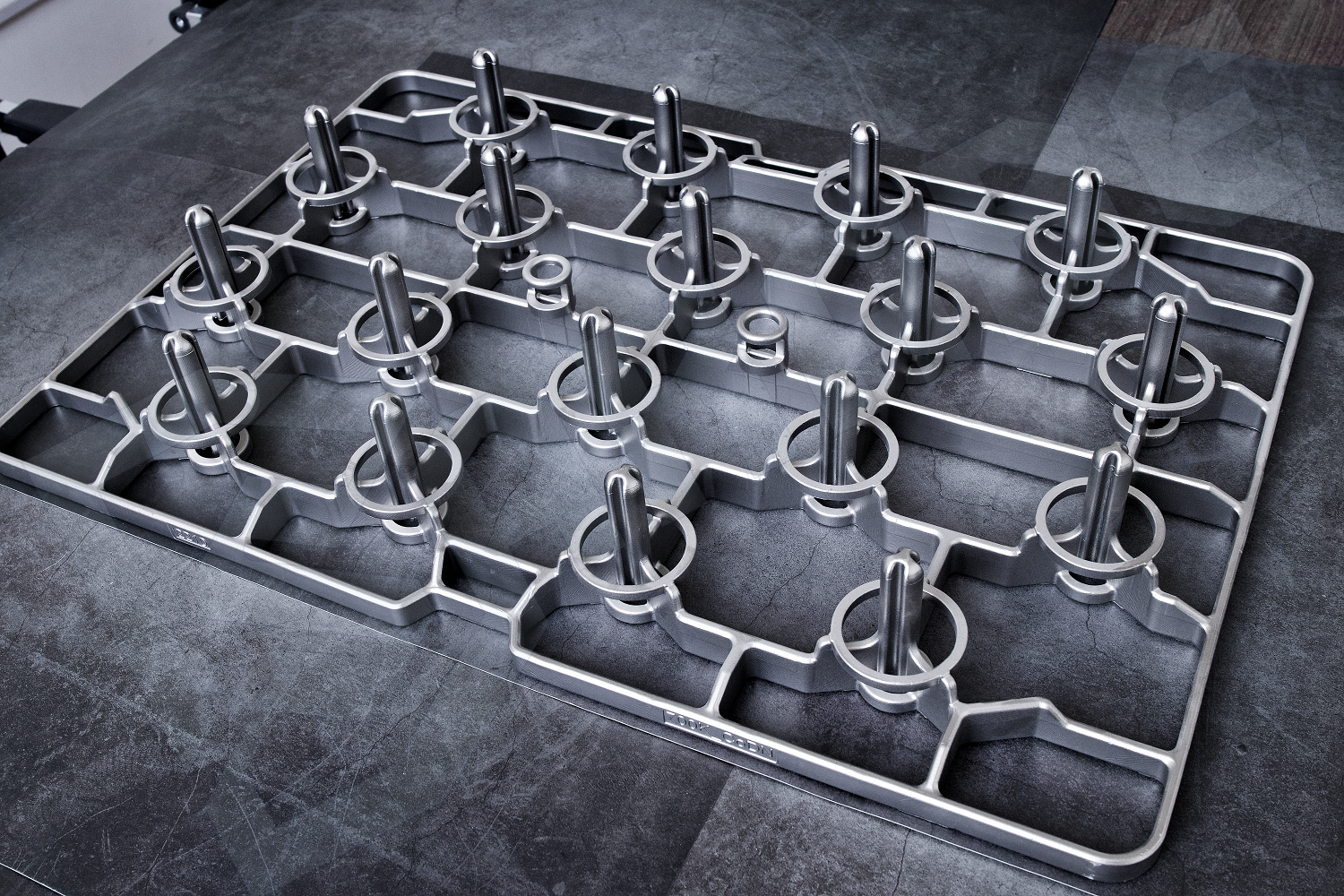
The choice of materials is paramount in medical tool parts casting. Common materials include stainless steel, aluminum, and titanium, each offering unique properties suitable for specific applications
2024/08/20

Advancing Medical Equipment Through Precision Casting: Processes, Benefits, and Future Directions
Medical equipment parts casting is a cornerstone of modern manufacturing in the healthcare industry
2024/08/20
CONTACT US
Tel: +86 136-5494-1611
E-mail: alexzheng@sakabe.cn
Office Address:
No.18 Dongbei Qi Street, Jinpu New Area, Dalian, Liaoning, China
Factory Address:
No.26 Fuan Street, Jinpu New Area, Dalian, Liaoning, China
