


One of the primary benefits of precision casting is its ability to produce complex shapes that are often difficult or impossible to achieve with traditional machining methods. By utilizing this technique, manufacturers can create components that fit seamlessly into textile machinery, enhancing overall operational efficiency. Moreover, precision casting allows for the production of parts with excellent surface finish and dimensional accuracy, which are crucial for the high-speed operations typical in textile manufacturing.
Quality control is a fundamental aspect of precision casting. Manufacturers in China often employ advanced technologies and rigorous inspection processes to ensure that every component meets the required specifications. This commitment to quality not only improves the performance of textile machinery but also minimizes the risk of failures during operation, which can lead to costly downtimes. By adhering to international quality standards, Chinese manufacturers are able to compete effectively in the global market.
In addition to its technical advantages, precision casting contributes to sustainability in manufacturing. The process typically generates less waste compared to traditional methods, as it allows for the recycling of materials and reduces the need for extensive machining. As industries worldwide increasingly focus on sustainable practices, precision casting stands out as an eco-friendly option that aligns with these values.
Furthermore, the precision casting process can accommodate a wide range of materials, including various alloys and metals, which broadens its applicability in textile machinery. This versatility enables manufacturers to select the most suitable materials that enhance the durability and performance of their products.
In summary, precision casting plays a vital role in the production of textile machinery components in China. Its advantages, including the ability to create complex shapes, ensure quality, enhance sustainability, and offer material versatility, make it an indispensable technique in the manufacturing process. As the textile industry continues to evolve, the importance of precision casting will only grow, solidifying its position as a cornerstone of efficient and effective textile machinery production.

Why Quality Beverage Machinery Parts Casting is Essential for Optimal Production Efficiency
Sourcing quality beverage machinery parts casting also involves considering the expertise of the foundry and the technology they employ
2025/01/20
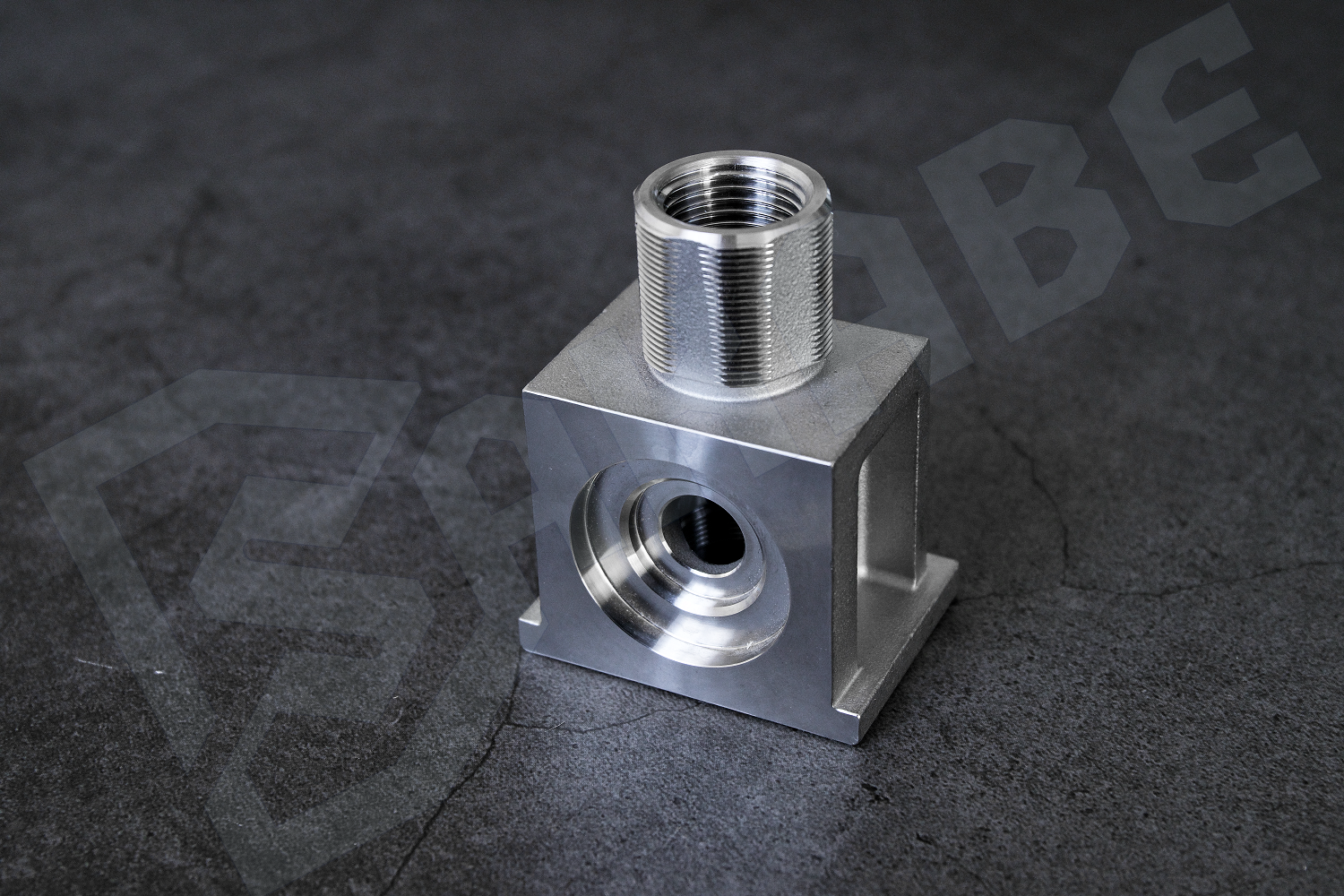
Exploring the Latest Innovations in Food Machinery Parts Casting for Enhanced Efficiency
The landscape of food machinery parts casting is undergoing significant transformation, driven by technological advancements and the pressing need for sustainability
2025/01/20

CONTACT US
Tel: +86 136-5494-1611
E-mail: alexzheng@sakabe.cn
Office Address:
No.18 Dongbei Qi Street, Jinpu New Area, Dalian, Liaoning, China
Factory Address:
No.26 Fuan Street, Jinpu New Area, Dalian, Liaoning, China
