


One of the primary advantages of precision machining for food machinery accessories is the ability to produce complex geometries with high tolerance levels. This is particularly important for components that come into direct contact with food products. For example, parts such as conveyor belts, mixing blades, and various fittings must be manufactured with exact specifications to prevent contamination and ensure seamless operation. Using state-of-the-art machining techniques, manufacturers can achieve the best precision machining outcomes, making their products not only functional but also safe for food processing.
Moreover, the materials used in precision machining play a significant role in the overall quality of food machinery. Stainless steel is a common choice due to its corrosion resistance and ease of cleaning, which are essential in food production environments. Additionally, the surface treatment of these components must be carefully considered. Processes such as anodizing, passivation, and polishing can enhance the durability and hygiene of the parts, ensuring they withstand the rigors of constant use in food processing applications.
Another vital aspect of precision machining in food machinery is the implementation of advanced technologies. CNC (Computer Numerical Control) machining is revolutionizing the industry by allowing for automated production with high accuracy. This technology minimizes human error and maximizes efficiency, making it an ideal choice for manufacturers looking to maintain high standards in food machinery accessories. Furthermore, integrating 3D modeling and simulation in the design phase can significantly reduce lead times and improve the overall product development process.
In conclusion, the best precision machining of food machinery accessories is fundamental to the success of the food manufacturing industry. By focusing on precision, material selection, surface treatment, and advanced machining techniques, manufacturers can produce reliable and safe components that meet the demands of modern food production. Emphasizing these elements will not only improve product quality but also enhance operational efficiency, ultimately benefiting both manufacturers and consumers in the long run.
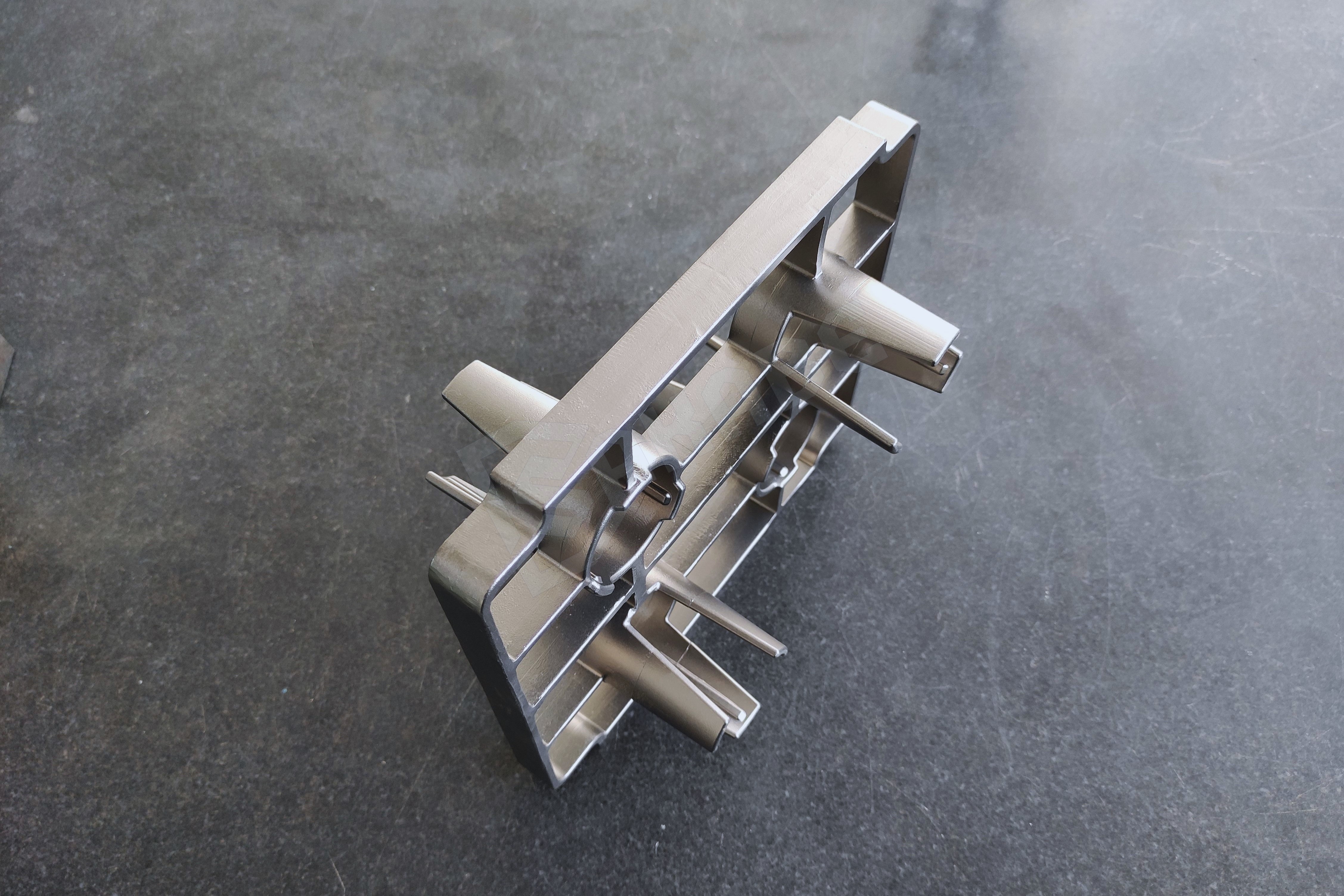
Enhancing Food Machinery with Durable Precision Machining Solutions
Durable Precision machining of food machinery accessories plays an integral role in the food machinery sector by ensuring that equipment is produced with the highest standards of accuracy and reliability
2025/07/23

Unlocking Efficiency: Advanced Precision Casting Techniques in Food Machinery
Advanced precision casting techniques are transforming the landscape of food machinery manufacturing. Their ability to enhance efficiency, quality, and sustainability positions them as a critical factor in the industry’s future
2025/07/23

Enhancing Textile Machinery Efficiency through Quality Precision Casting
Quality precision casting is a cornerstone of effective textile machinery manufacturing. By leveraging advanced casting techniques, selecting appropriate materials, and maintaining rigorous quality checks, manufacturers can produce reliable, high-performance machinery components
2025/07/23

Unlocking Efficiency: The Best Casting Techniques for Heat Treatment Material Trays
Optimizing casting techniques for heat treatment material trays is essential for achieving efficiency and quality in manufacturing
2025/07/23
CONTACT US
Tel: +86 136-5494-1611
E-mail: alexzheng@sakabe.cn
Office Address:
No.18 Dongbei Qi Street, Jinpu New Area, Dalian, Liaoning, China
Factory Address:
No.26 Fuan Street, Jinpu New Area, Dalian, Liaoning, China
