
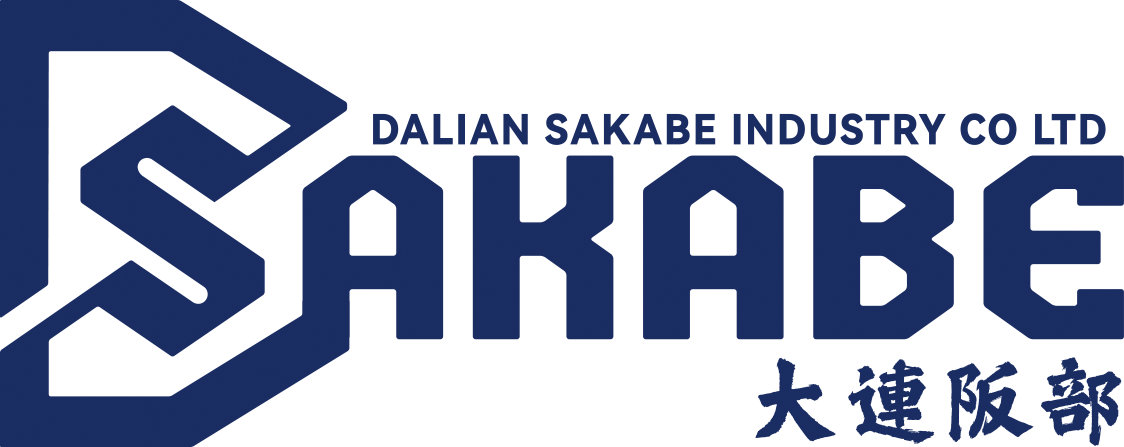

One of the most notable benefits of dewax casting is its ability to create intricate designs with remarkable accuracy. This is particularly crucial in the textile machinery sector, where parts often require detailed geometries to function effectively. The precision achieved through dewax casting reduces the need for extensive machining post-casting, thereby saving time and reducing production costs.
Additionally, the dewax casting process allows for the use of a variety of materials, which can be tailored to meet specific performance requirements. For textile machinery parts, selecting the right material is crucial, as it can significantly affect the durability and operational efficiency of the machinery. Recent innovations have introduced advanced alloys and composites that enhance both strength and resistance to wear, thereby extending the lifespan of the components.
Another important aspect of dewax casting is its efficiency in production. The process can accommodate larger production volumes while maintaining high quality, making it an attractive option for manufacturers looking to scale their operations. Furthermore, the ability to recycle and reuse materials in the dewax casting process aligns with the industry's growing focus on sustainability, appealing to environmentally conscious businesses.
Moreover, the introduction of automation in the dewax casting process has streamlined workflows and reduced labor costs. Automated systems can manage the intricate steps involved, from model creation to shell coating, resulting in consistent output and minimized human error. This is especially beneficial in the fast-paced textile machinery industry, where timely delivery and quality are paramount.
In conclusion, the newest developments in dewax casting present exciting opportunities for the manufacturing of textile machinery parts. By leveraging the precision, material versatility, and efficiency of this innovative technique, manufacturers can enhance the performance and longevity of their products. As the industry continues to evolve, staying informed about such advancements will be essential for professionals aiming to maintain a competitive edge in the market.
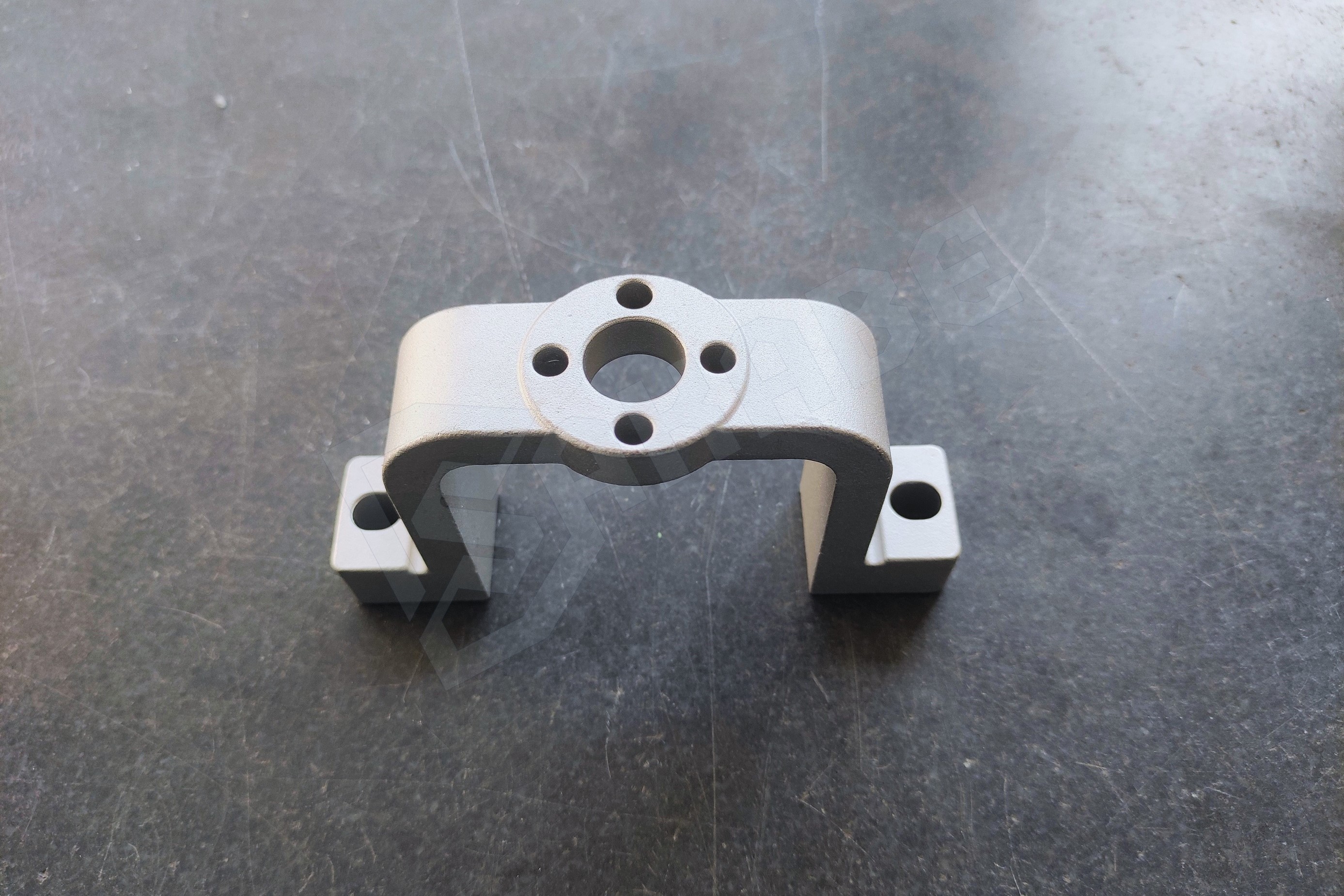
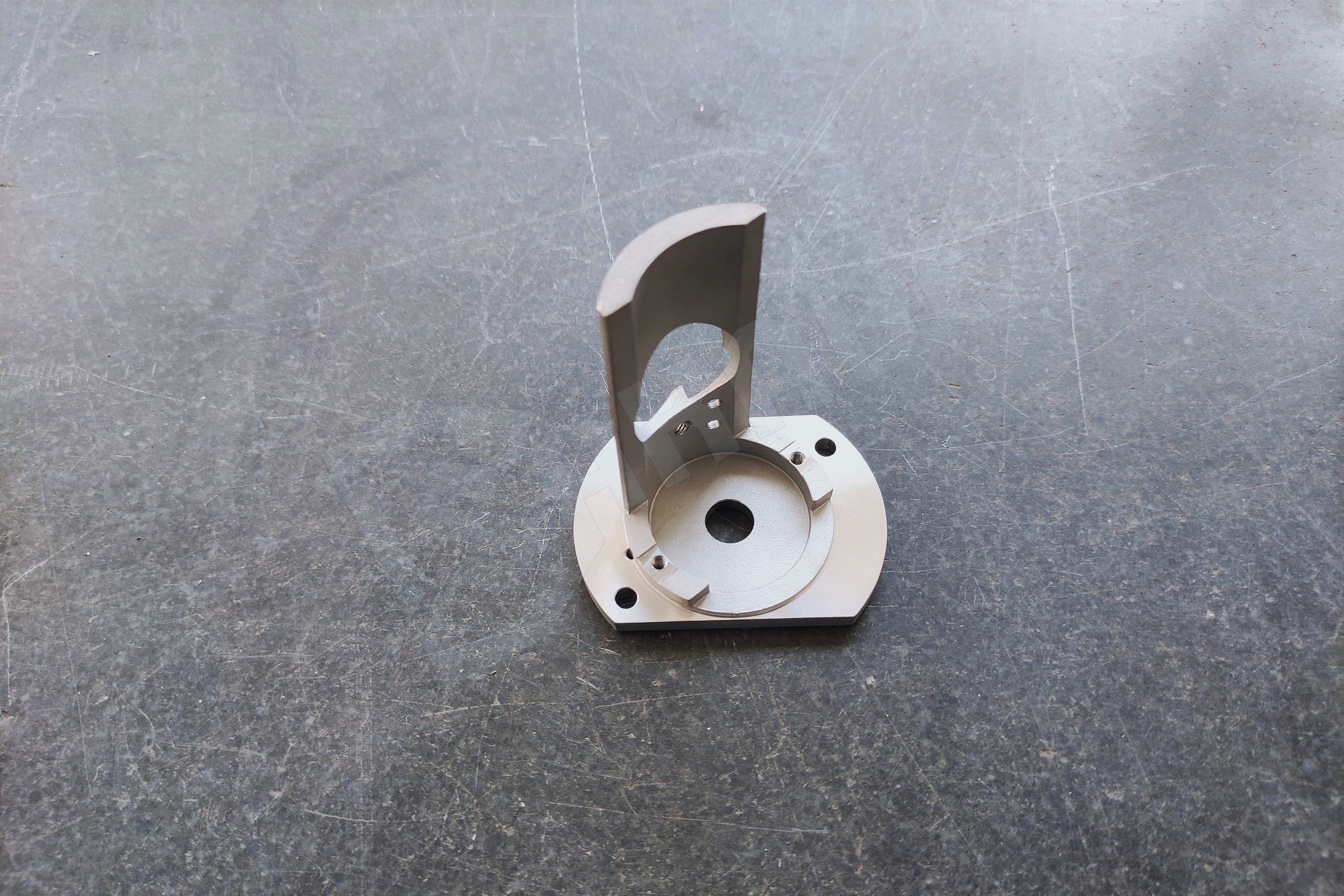
Exploring the Advantages of Precision Casting in Heat Treatment Processes
Precision casting for heat treatment plays a critical role in optimizing heat treatment processes, offering a multitude of benefits that enhance both efficiency and product quality
2024/10/23
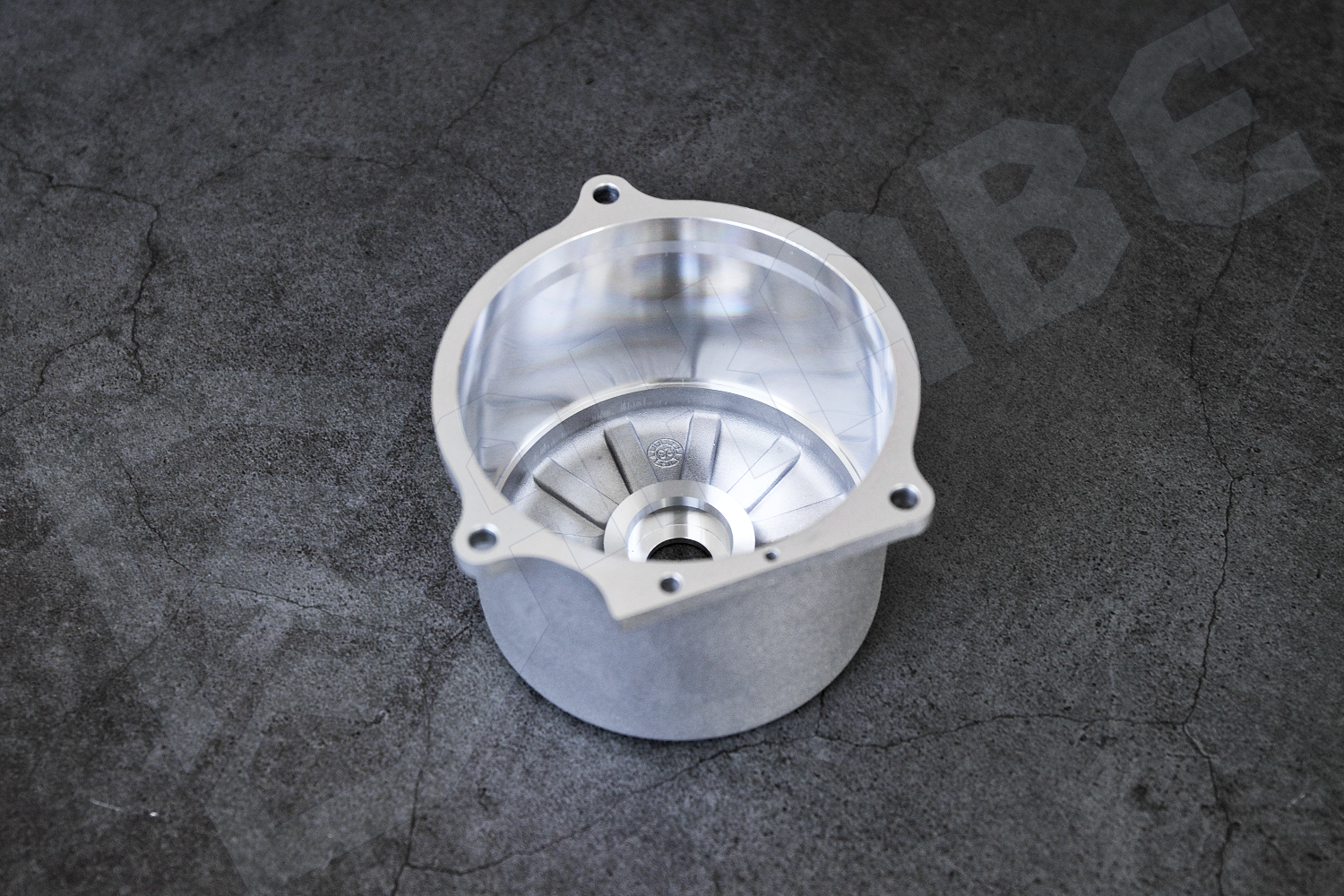
Heat Treatment Accessories in Precision Casting: Enhancing Quality and Efficiency
Heat treatment accessories Precision casting play a pivotal role in the precision casting process, ensuring that the final products meet stringent quality standards
2024/10/22
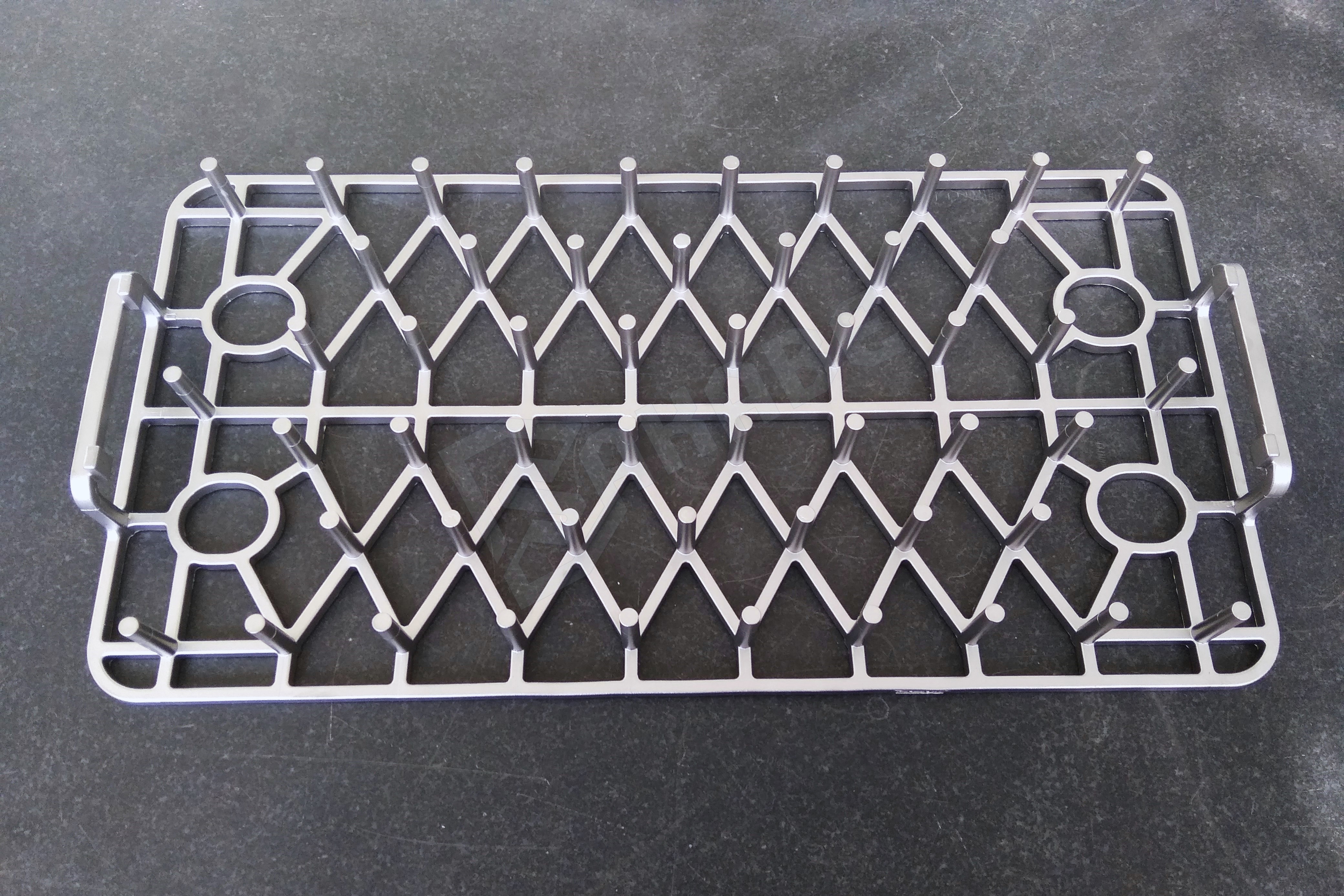
Heat Treatment Tool Material Tray Frame Design: Best Practices for Efficiency
Designing efficient heat treatment tool material tray frames is essential for enhancing productivity and ensuring the quality of the heat treatment process
2024/10/23
CONTACT US
Tel: +86 136-5494-1611
E-mail: alexzheng@sakabe.cn
Office Address:
No.18 Dongbei Qi Street, Jinpu New Area, Dalian, Liaoning, China
Factory Address:
No.26 Fuan Street, Jinpu New Area, Dalian, Liaoning, China
