


How Chinese Textile Machine Parts Improve Textile Production Efficiency
In the realm of textile manufacturing, the significance of high-quality machine parts cannot be overstated. Chinese textile machine parts, in particular, play a crucial role in optimizing production processes and ensuring that textile machinery operates at peak performance. These parts are foundational to the various types of machinery involved in weaving, knitting, and finishing textiles, which together form the backbone of the textile industry.

One of the most important aspects of textile machine parts is their diversity. They range from mechanical components like gears, belts, and needles to electronic parts such as sensors and control units. Each part has a specific purpose, contributing to the overall functionality of the machine. For instance, precision gears are essential for maintaining the correct speed and tension during fabric production, ensuring that the final product meets quality standards.
Moreover, the quality of these parts can significantly impact the efficiency of the production process. Well-manufactured textile machine parts minimize downtime and maintenance costs, allowing manufacturers to focus on production. Chinese manufacturers have established themselves as leaders in producing such components, often utilizing advanced technologies and materials. This has enabled the creation of durable and reliable machine parts that support various textile applications.
Another key consideration is the compatibility of these parts with different types of machinery. The textile industry is characterized by a wide variety of machines, each with unique specifications. Therefore, having access to a comprehensive range of machine parts ensures that manufacturers can find the right components for their specific machinery. This versatility is particularly beneficial in a competitive market where adaptability is vital.
In addition to mechanical and electronic components, Chinese textile machine parts also include auxiliary parts that support the primary machinery. These auxiliary components, such as feeding mechanisms and thread trimmers, enhance the efficiency of the overall production line. Their proper function is essential for maintaining the workflow and ensuring that the end product is produced without interruption.
Sustainability is becoming increasingly important in the textile industry, and the choice of machine parts can influence a manufacturer's environmental footprint. Many Chinese suppliers are now focusing on producing energy-efficient components that help reduce waste and energy consumption. By investing in such technologies, manufacturers can not only lower their operational costs but also contribute to a more sustainable future for the textile industry.
Chinese textile machine parts are integral to the manufacturing process within the textile industry. Their variety, quality, and compatibility with different machines make them indispensable for manufacturers aiming to achieve high efficiency and product quality. Understanding the importance of these components can help businesses make informed decisions, ultimately leading to better production outcomes and a stronger competitive edge.

Custom Dewax Casting Solutions for Enhanced Food Machinery Components
Customized dewax casting is a vital technique in the manufacturing of food machinery parts, offering precision, efficiency, and customization that meet the industry's stringent requirements
2025/07/23
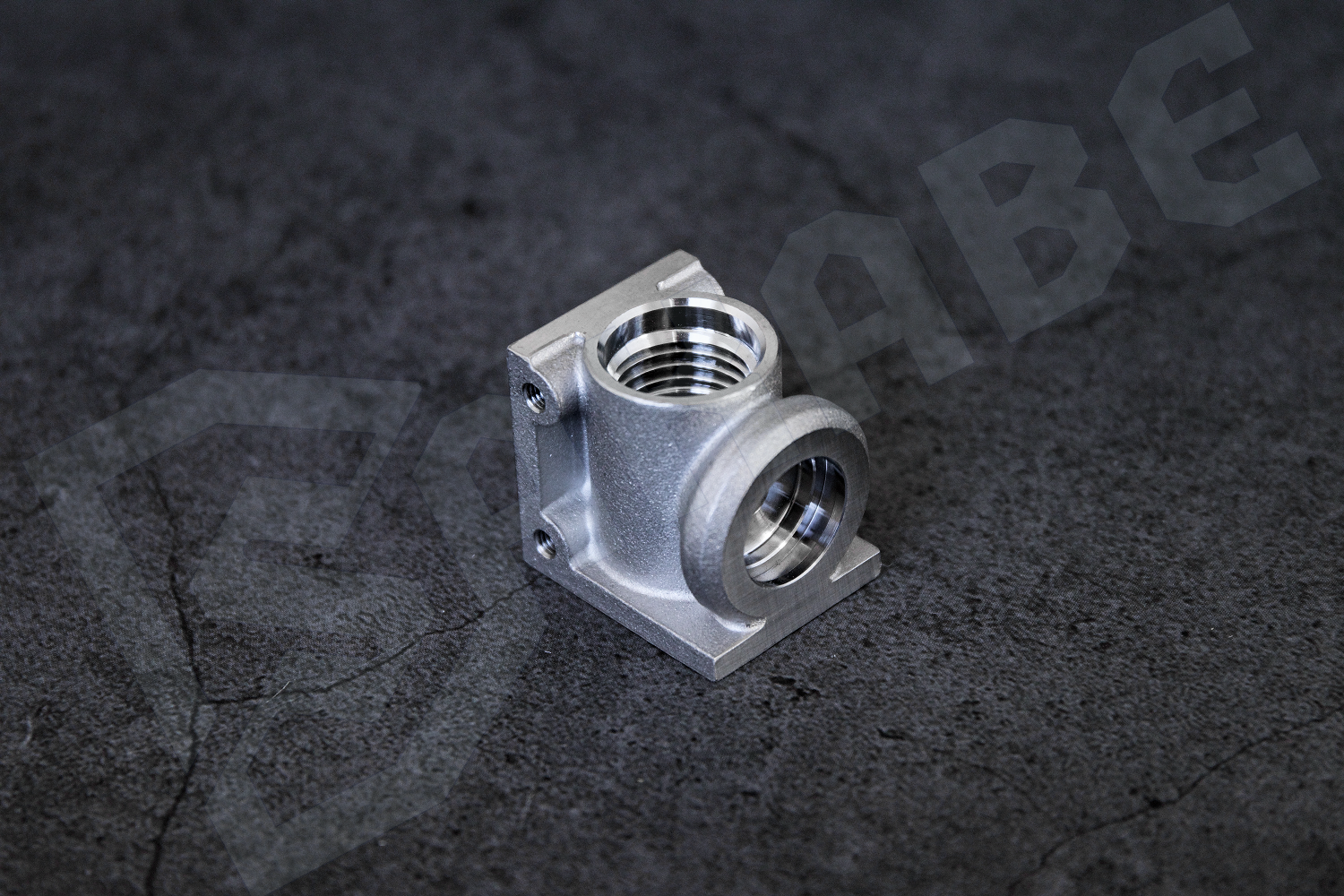
Understanding the Process of New Dewax Casting for Sewing Machine Parts
New Dewax Casting is a groundbreaking method that significantly enhances the manufacturing of sewing machine parts
2025/07/23

Understanding Classy Dewax Casting for Textile Machinery Parts
Classy dewax casting is a sophisticated method used in the manufacturing of intricate parts for various industries, including textile machinery
2025/07/23

Transform Your Food Machinery with Innovative Dewax Casting Techniques
Dewax casting represents a significant advancement in the manufacturing of food machinery. By leveraging this innovative technique, manufacturers can achieve unparalleled precision, durability, and efficiency in their products
2025/07/23
CONTACT US
Tel: +86 136-5494-1611
E-mail: alexzheng@sakabe.cn
Office Address:
No.18 Dongbei Qi Street, Jinpu New Area, Dalian, Liaoning, China
Factory Address:
No.26 Fuan Street, Jinpu New Area, Dalian, Liaoning, China
