


Why Are Food Machinery Die-Casting Parts Key to Efficient and Safe Food Processing
Food machinery die-casting parts are essential components in the production of various food processing equipment. Die-casting is a manufacturing process where molten metal is injected into a mold under high pressure, resulting in precise and intricate shapes. This technique is particularly beneficial for producing parts that require tight tolerances, durability, and strength, all of which are critical in the food industry, where hygiene and efficiency are paramount.
One of the primary advantages of using die-casting in food machinery manufacturing is the ability to create complex geometries that might be challenging to achieve with other methods, such as machining or forging. This process allows for the production of parts with intricate designs that can enhance the efficiency and functionality of food processing equipment. Moreover, die-casting parts generally exhibit superior surface finish and dimensional accuracy, which is vital for maintaining the integrity of food products and avoiding contamination.
In addition to precision, food machinery die-casting parts can be made from various materials, including aluminum, zinc, and magnesium alloys. Each material has its benefits; for instance, aluminum is lightweight and corrosion-resistant, making it an excellent choice for food processing equipment that must endure harsh conditions. Choosing the right material is essential, as it directly impacts the performance, longevity, and safety of the machinery.
Another critical aspect to consider is the design and engineering of die-casting parts. Collaboration between engineers and designers can lead to innovative solutions that optimize the performance of food machinery. It is crucial to focus on aspects such as weight reduction, thermal conductivity, and mechanical strength during the design process. Implementing advanced computer-aided design (CAD) techniques can further enhance the efficiency of creating die-casting molds and reduce production time.
Quality control is also a vital component in the manufacturing of food machinery die-casting parts. Implementing strict quality assurance measures throughout the production process ensures that all parts meet the necessary industry standards and regulations. Regular inspections and testing can help prevent defects and ensure that the final products are safe for use in food processing applications.
Food machinery die-casting parts are indispensable in the manufacturing and processing machinery industry. Understanding the advantages of die-casting, selecting appropriate materials, and emphasizing design and quality control can significantly impact the performance and reliability of food processing equipment. As the demand for efficient and safe food production continues to grow, knowledge of this specialized area will be invaluable for professionals in the field.

How Do Medical Equipment Casting Parts Ensure Precision and Reliability in Healthcare Manufacturing
The production of medical equipment casting parts is a multifaceted process that requires careful consideration of design, materials, and quality assurance
2025/04/21

Top Benefits of Using Quality Flowmeter Casting Parts in Manufacturing
The use of quality flowmeter casting parts is essential for manufacturers seeking to enhance accuracy, reliability, and efficiency in their operations
2025/04/21

How Best Singer Sewing Machine Parts Reshape the Classics
Choosing the best singer sewing machine parts means choosing the ultimate pursuit of quality. These accessories not only improve the overall performance of the sewing machine, but also extend the service life of the equipment invisibly
2025/03/20
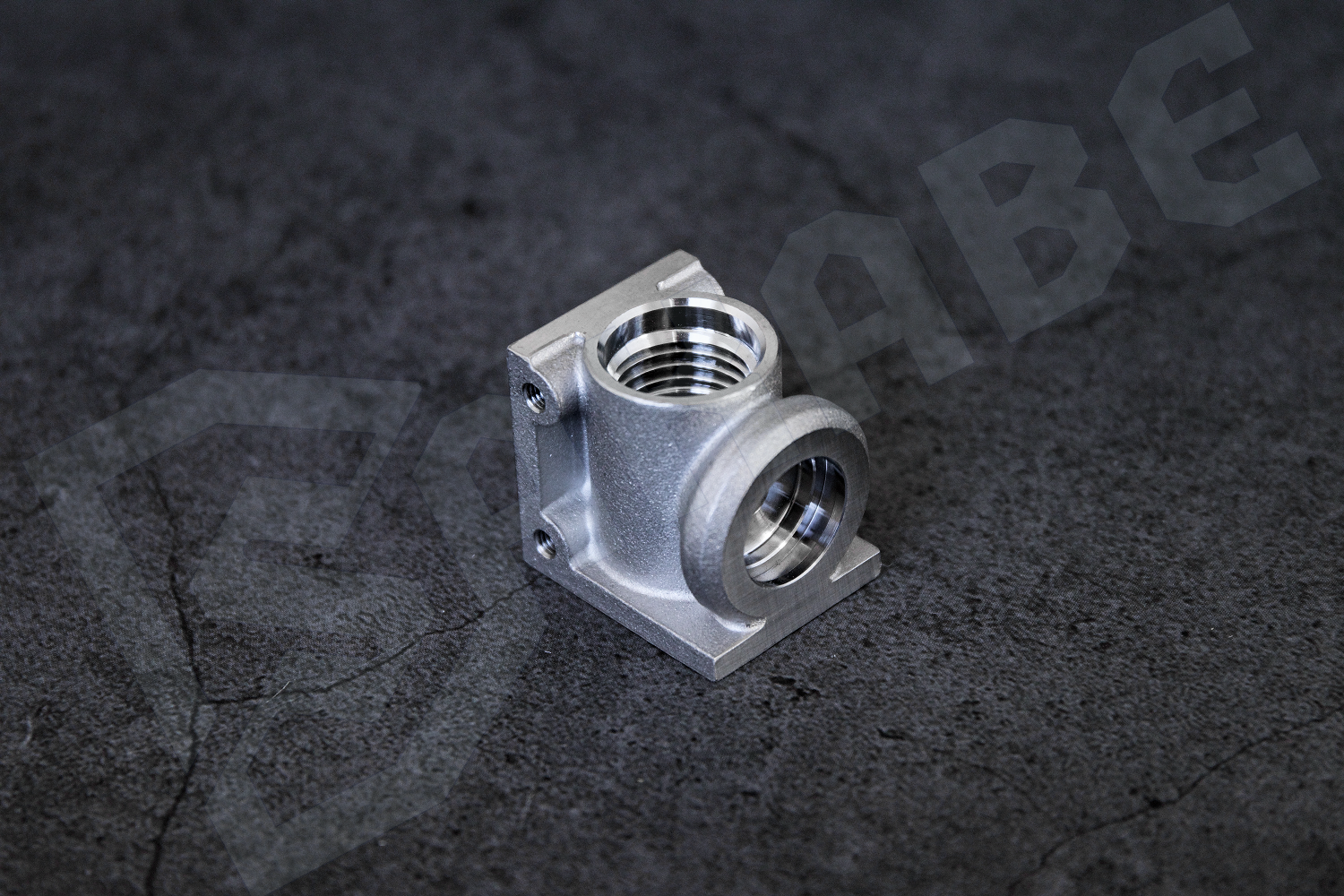
Why MIM Casting Is the Future of Precision Manufacturing
One of the primary benefits of MIM casting is its ability to produce intricate geometries that would be challenging or impossible to achieve through conventional machining methods
2025/03/11
CONTACT US
Tel: +86 136-5494-1611
E-mail: alexzheng@sakabe.cn
Office Address:
No.18 Dongbei Qi Street, Jinpu New Area, Dalian, Liaoning, China
Factory Address:
No.26 Fuan Street, Jinpu New Area, Dalian, Liaoning, China
