


One of the primary advantages of using die-casting parts in medical equipment is the high level of precision and consistency achieved during production. The die-casting process allows for the creation of tight tolerances, which is vital in the medical industry where even the slightest variance can affect the performance of a device. This precision ensures that parts fit together seamlessly, reducing the risk of malfunction and enhancing patient safety.
Another significant benefit of die-casting in the medical field is the material versatility it offers. Commonly used metals in die-casting include aluminum, zinc, and magnesium, each providing unique properties suitable for different medical applications. For instance, aluminum die-casting parts are known for their lightweight and corrosion-resistant characteristics, making them ideal for portable medical devices, while zinc parts may offer superior strength and durability, suitable for more rugged applications.
In addition to precision and material versatility, the die-casting process also supports high-volume production. This is particularly beneficial for medical equipment manufacturers who require large quantities of parts without compromising on quality. The ability to produce consistently high-quality die-casting parts efficiently allows manufacturers to meet the growing demand for innovative medical devices.
Furthermore, the die-casting process contributes to waste reduction and sustainability in manufacturing. The process generates minimal waste compared to traditional machining methods, and the materials used can often be recycled. This aspect aligns with the increasing emphasis on environmentally friendly practices in the manufacturing industry, making die-casting a more sustainable option for producing medical equipment parts.
In conclusion, medical equipment die-casting parts play a vital role in the manufacturing of reliable and efficient medical devices. The precision, material versatility, high-volume production capability, and sustainability of the die-casting process make it an advantageous choice for manufacturers in the medical sector. By leveraging these benefits, companies can enhance their production processes and ultimately contribute to improved healthcare outcomes. Understanding the impact of die-casting on medical equipment can help professionals in the industry make informed decisions that lead to better products and patient care.
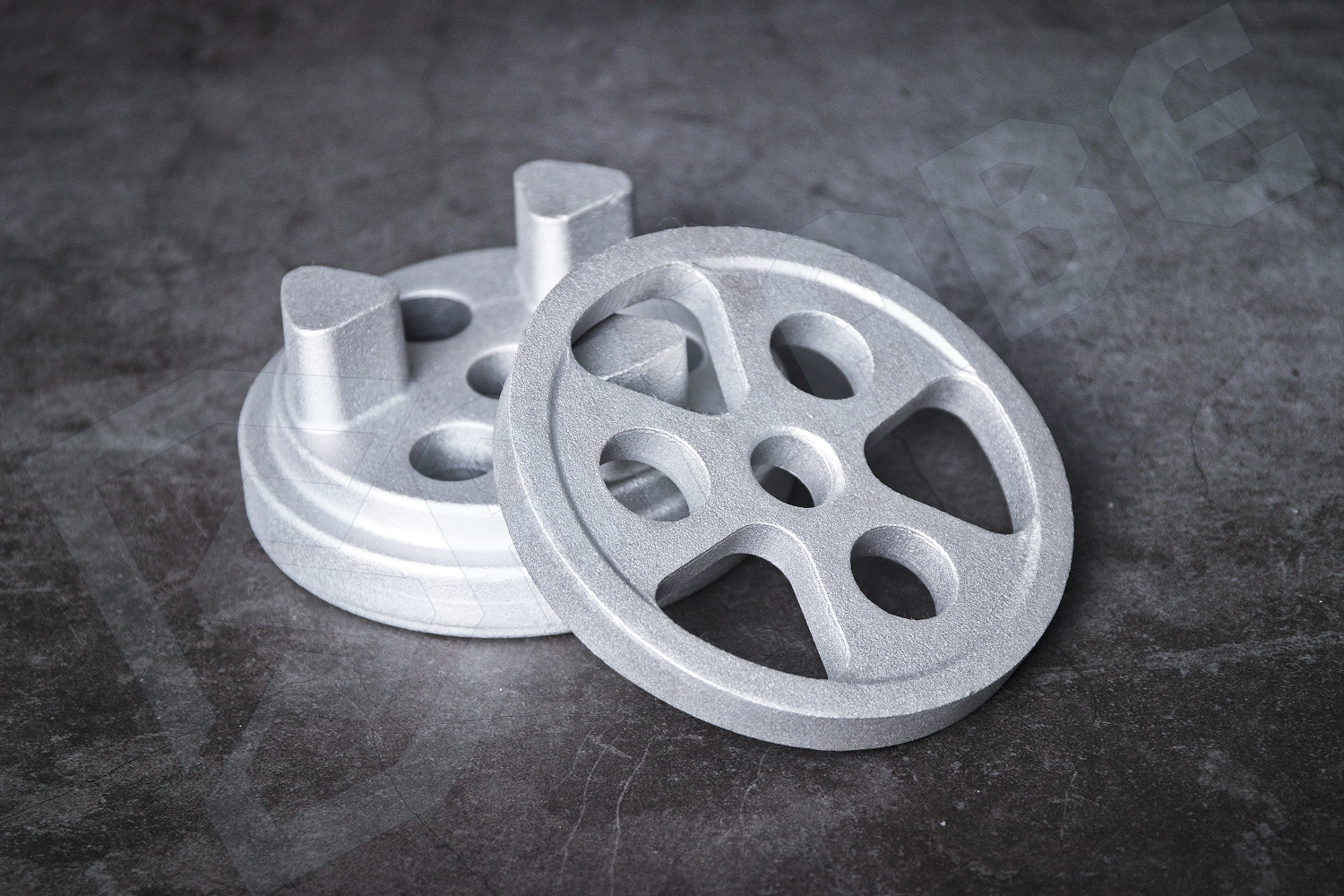
Heat Treatment Tool Casting: Enhancing Performance and Durability in Manufacturing
Heat treatment is an indispensable aspect of tool casting that significantly contributes to the performance and durability of industrial tools
2024/10/23

Unlocking Precision: The Role of Casting in Medical Tool Parts
In the ever-evolving landscape of medical tool manufacturing, medical tool parts casting stands out as a critical process that ensures precision, reliability, and innovation
2024/10/23
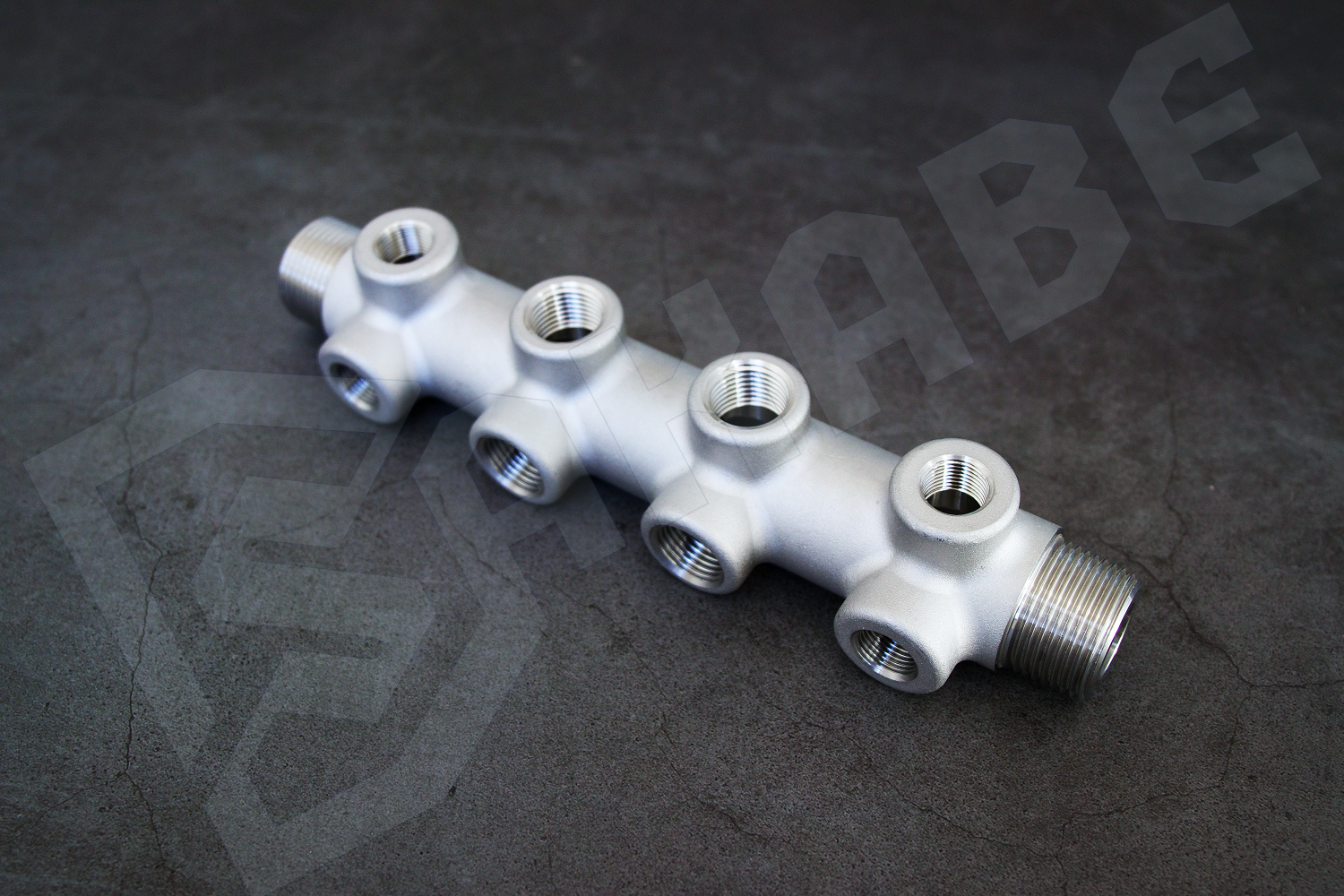
Medical Equipment Parts Casting Ensures Precision Quality and Innovation in Healthcare Manufacturing
Another significant aspect of medical equipment parts casting is the consistency it offers. High-quality casting processes ensure that each part produced meets the necessary specifications and tolerances
2024/10/23

The Environmental Impact of Flowmeter Parts Casting in Manufacturing
The environmental impact of flowmeter parts casting in manufacturing is a pressing issue that requires immediate attention. By understanding the implications of traditional casting processes and embracing sustainable practices and technological innovations, manufacturers can significantly reduce their ecological footprints.
2024/10/23
CONTACT US
Tel: +86 136-5494-1611
E-mail: alexzheng@sakabe.cn
Office Address:
No.18 Dongbei Qi Street, Jinpu New Area, Dalian, Liaoning, China
Factory Address:
No.26 Fuan Street, Jinpu New Area, Dalian, Liaoning, China
