

One of the primary advantages of textile machinery parts casting is its ability to produce intricate designs that are challenging to achieve through other manufacturing techniques. For instance, components such as gears, housings, and other critical parts can be crafted to exact specifications, ensuring that they perform optimally within the machinery. This precision is essential in textile manufacturing, where even minor discrepancies can lead to significant operational inefficiencies.
Furthermore, the casting process allows for the use of various materials, including iron, aluminum, and steel. Each material offers different benefits, such as weight, strength, and resistance to wear and corrosion. By selecting the appropriate material for the specific application, manufacturers can enhance the longevity and performance of the textile machinery. This is particularly important in an industry where machines are subjected to high levels of stress and wear over time.
Another significant aspect of textile machinery parts casting is its cost-effectiveness. Although the initial setup for casting can be more intensive compared to other methods, the long-term savings associated with reduced manufacturing costs and improved machine performance can be substantial. The casting process allows for mass production of parts, thus optimizing the supply chain and reducing lead times for manufacturers.
Moreover, advancements in technology have greatly improved the casting process. Techniques such as computer-aided design (CAD) and computer numerical control (CNC) machining allow for greater precision and customization in the creation of molds. These innovations not only enhance the quality of the final product but also streamline the production process, making it more efficient and reliable.
In conclusion, textile machinery parts casting is a fundamental component of the manufacturing process in the textile industry. Understanding its various aspects, from material selection to technological advancements, can empower professionals to make informed decisions that enhance both productivity and product quality. As the industry continues to evolve, staying abreast of these developments will be crucial for maintaining a competitive edge and ensuring the longevity of machinery components. By leveraging the benefits of casting, manufacturers can drive innovation and efficiency within their operations, ultimately benefiting the entire textile supply chain.

How Do Medical Equipment Casting Parts Ensure Precision and Reliability in Healthcare Manufacturing
The production of medical equipment casting parts is a multifaceted process that requires careful consideration of design, materials, and quality assurance
2025/04/21

Top Benefits of Using Quality Flowmeter Casting Parts in Manufacturing
The use of quality flowmeter casting parts is essential for manufacturers seeking to enhance accuracy, reliability, and efficiency in their operations
2025/04/21

How Best Singer Sewing Machine Parts Reshape the Classics
Choosing the best singer sewing machine parts means choosing the ultimate pursuit of quality. These accessories not only improve the overall performance of the sewing machine, but also extend the service life of the equipment invisibly
2025/03/20
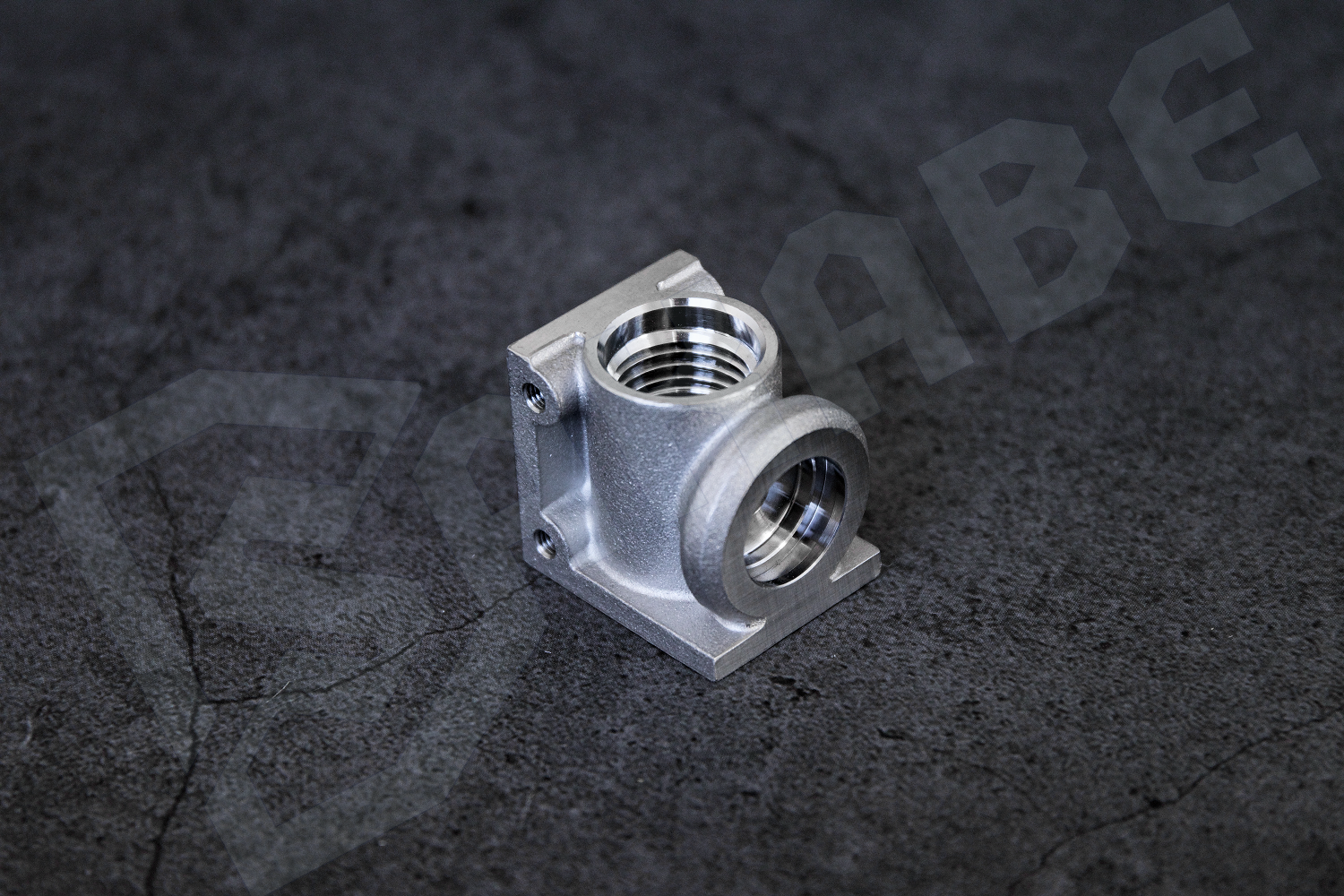
Why MIM Casting Is the Future of Precision Manufacturing
One of the primary benefits of MIM casting is its ability to produce intricate geometries that would be challenging or impossible to achieve through conventional machining methods
2025/03/11
CONTACT US
Tel: +86 136-5494-1611
E-mail: alexzheng@sakabe.cn
Office Address:
No.18 Dongbei Qi Street, Jinpu New Area, Dalian, Liaoning, China
Factory Address:
No.26 Fuan Street, Jinpu New Area, Dalian, Liaoning, China
