

The casting process is favored for its ability to produce complex shapes and designs that would be challenging to achieve through other manufacturing methods. This versatility allows for the creation of parts that are both durable and lightweight, making them suitable for applications where reliability and efficiency are paramount. In the context of fluid chemical equipment, components such as valves, pumps, and piping fittings often require precise dimensions and high resistance to corrosive substances, which casting can effectively provide.
Moreover, the fluid chemical equipment parts casting process can be tailored to meet specific performance requirements. By selecting appropriate alloys and conducting thorough quality control measures, manufacturers can enhance the mechanical properties of the cast parts. This customization not only ensures that the components can withstand harsh chemical environments but also extends their service life, ultimately contributing to lower maintenance costs and improved operational efficiency.
In addition to its technical advantages, fluid chemical equipment parts casting also promotes sustainability within the manufacturing industry. Modern casting techniques enable the recycling of metals, thereby reducing waste and conserving resources. This eco-friendly approach aligns with the growing emphasis on sustainable manufacturing practices and corporate responsibility.
To achieve optimal results in fluid chemical equipment parts casting, it is essential for manufacturers to follow best practices. This includes conducting meticulous mold design, ensuring accurate temperature control during the melting and pouring processes, and implementing rigorous inspection procedures to guarantee that the final products meet industry standards. Training personnel in the latest casting technologies can also prove beneficial, as skilled workers are crucial for maintaining high-quality production.
In conclusion, fluid chemical equipment parts casting plays a vital role in enhancing the efficiency and reliability of manufacturing processes. By understanding the benefits and intricacies of this technique, professionals in the mechanical processing and foundry sectors can leverage this knowledge to improve product quality and operational performance. As the industry continues to evolve, staying informed about advancements in casting technologies will be key to maintaining a competitive edge.
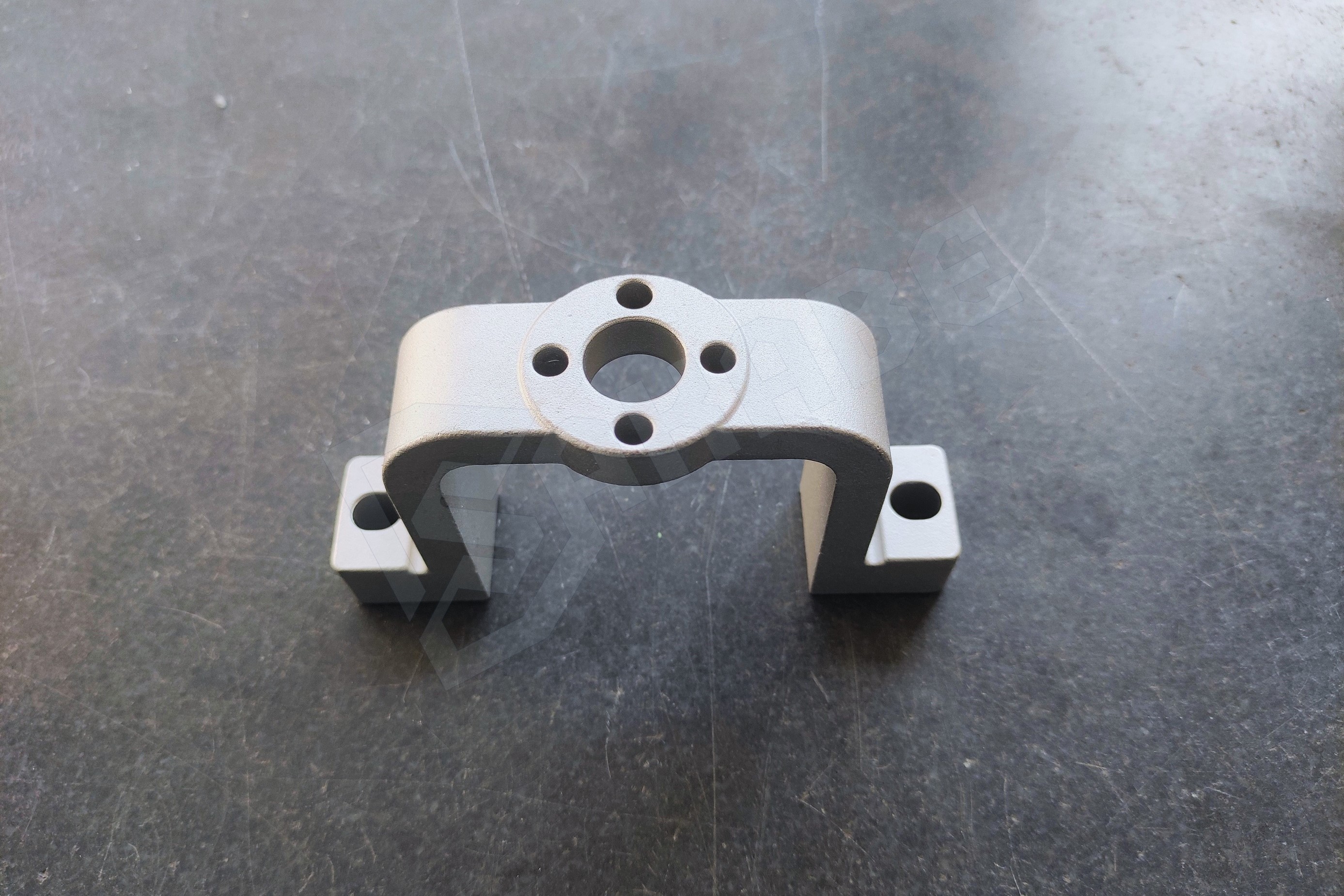
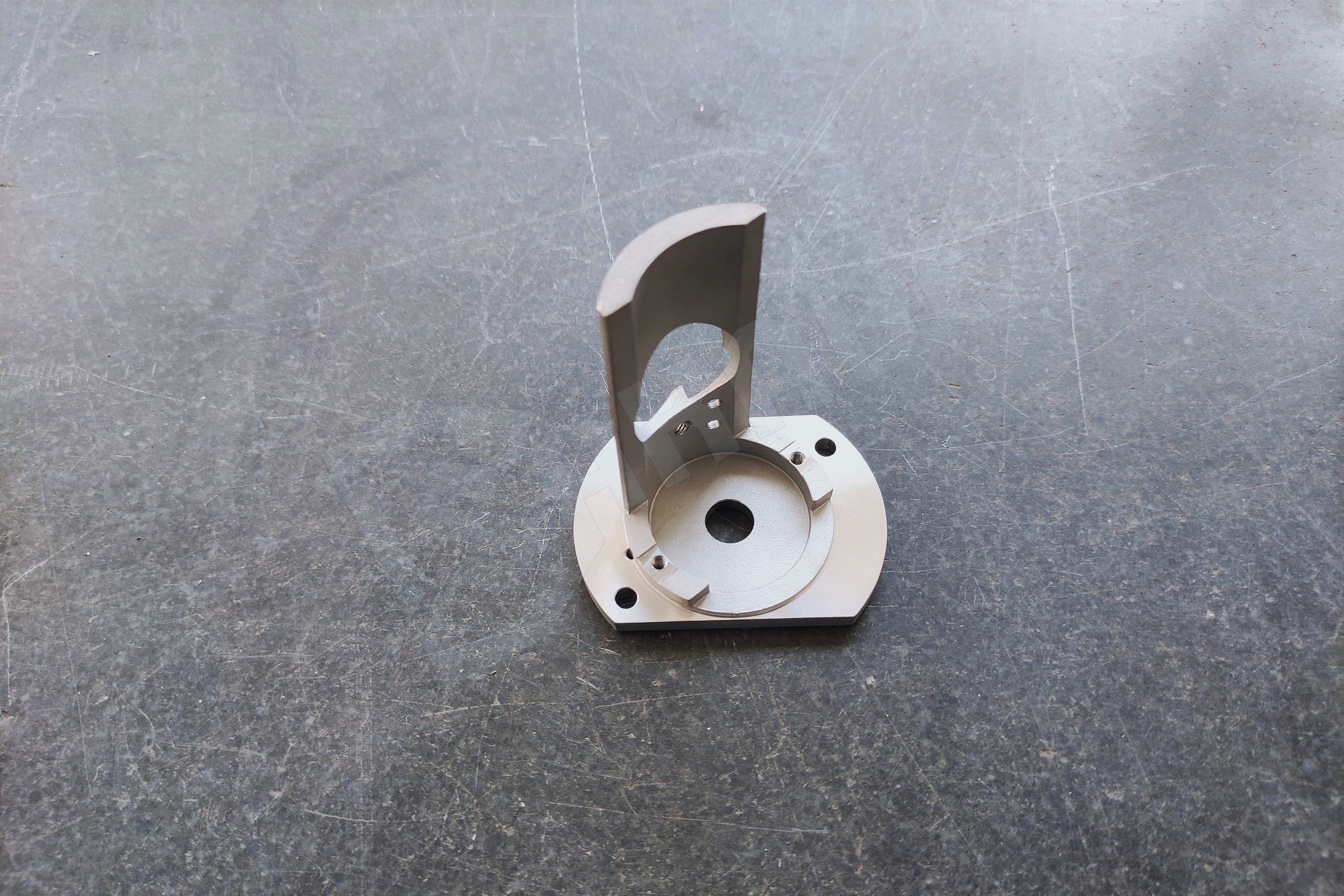
Exploring the Advantages of Precision Casting in Heat Treatment Processes
Precision casting for heat treatment plays a critical role in optimizing heat treatment processes, offering a multitude of benefits that enhance both efficiency and product quality
2024/10/23
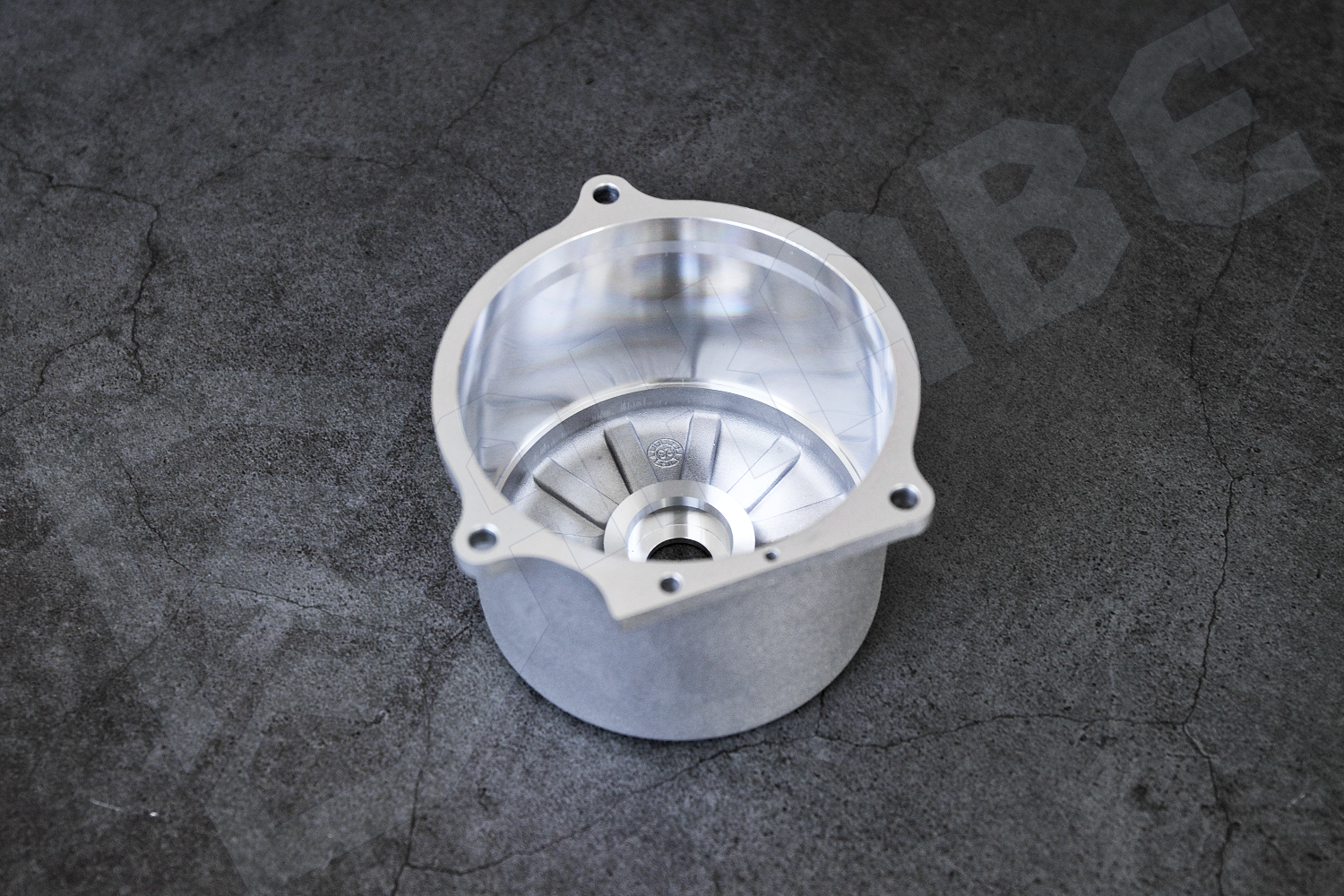
Heat Treatment Accessories in Precision Casting: Enhancing Quality and Efficiency
Heat treatment accessories Precision casting play a pivotal role in the precision casting process, ensuring that the final products meet stringent quality standards
2024/10/22
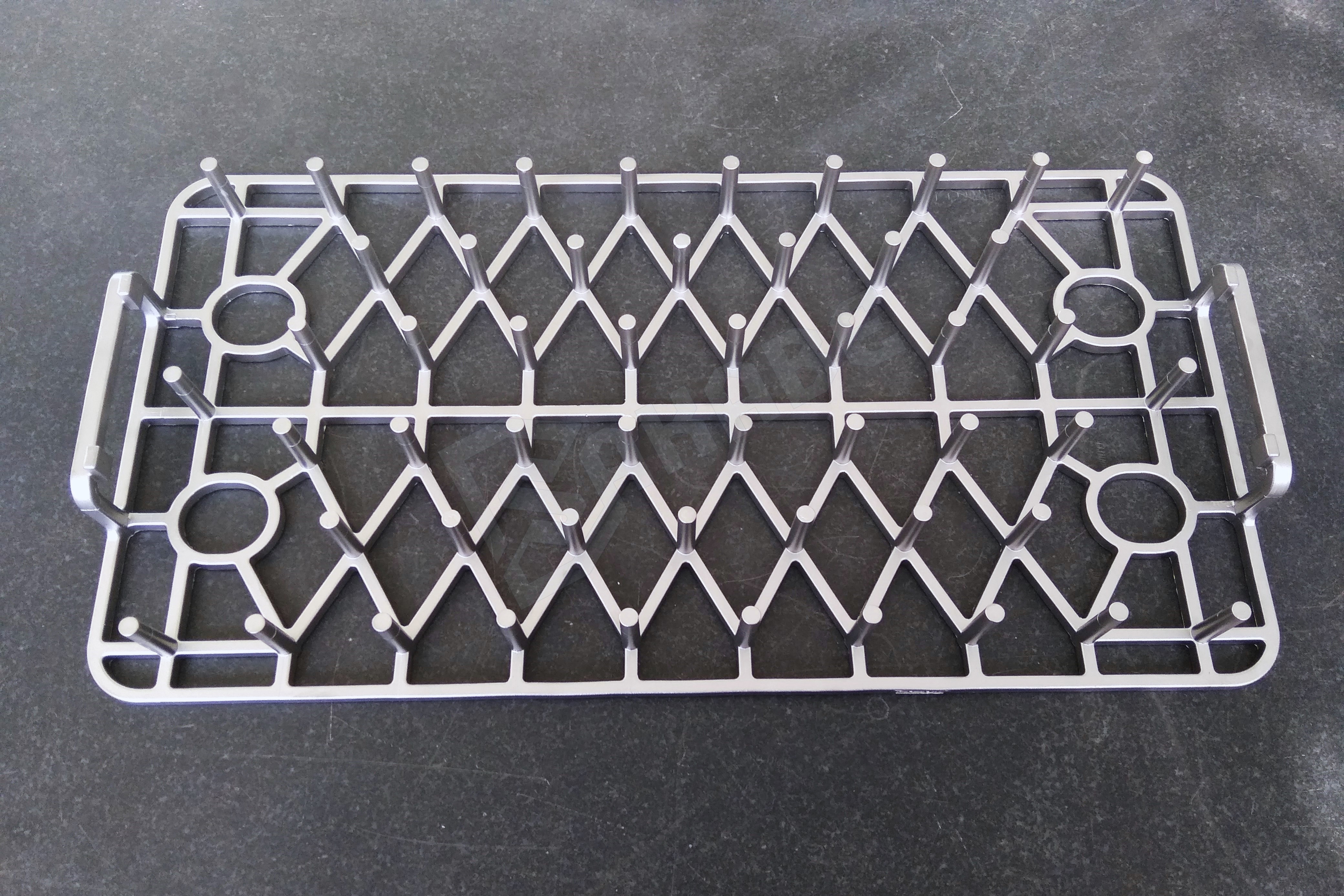
Heat Treatment Tool Material Tray Frame Design: Best Practices for Efficiency
Designing efficient heat treatment tool material tray frames is essential for enhancing productivity and ensuring the quality of the heat treatment process
2024/10/23
CONTACT US
Tel: +86 136-5494-1611
E-mail: alexzheng@sakabe.cn
Office Address:
No.18 Dongbei Qi Street, Jinpu New Area, Dalian, Liaoning, China
Factory Address:
No.26 Fuan Street, Jinpu New Area, Dalian, Liaoning, China
