

Investment casting, also known as lost-wax casting, is a process that allows for the creation of complex shapes with high dimensional accuracy. The newest investment casting technologies utilize advanced materials and innovative techniques to enhance the casting process. For instance, 3D printing is increasingly being integrated into the investment casting workflow. This allows for the rapid production of intricate patterns that can be directly used in the casting process, reducing the lead time significantly. Moreover, advancements in ceramic shell technology have improved the surface finish and accuracy of cast parts, making investment casting an attractive option for industries requiring precision components.
Precision casting, on the other hand, focuses on producing components that meet strict tolerances and surface quality requirements. The latest precision casting methods incorporate sophisticated computer-aided design (CAD) and computer-aided manufacturing (CAM) systems. These systems enable manufacturers to simulate the casting process, optimize designs, and predict potential issues before production begins. As a result, the newest precision casting techniques are not only increasing production efficiency but are also minimizing waste and reducing material costs.
One of the most significant advantages of these advancements is sustainability. The latest investment and precision casting processes are designed to be more environmentally friendly. Innovations such as reusable molds and eco-friendly materials are gaining traction, helping manufacturers reduce their carbon footprint. Additionally, the ability to produce lighter and stronger components contributes to energy efficiency in various applications, from automotive to aerospace.
In conclusion, the newest investment and precision casting methods are at the forefront of transforming the manufacturing industry. By embracing these advancements, manufacturers can enhance their production capabilities, ensure high-quality outputs, and contribute to sustainable practices. As the demand for precision-engineered components continues to grow, staying informed about the latest trends in investment and precision casting will be crucial for businesses looking to maintain a competitive edge in the manufacturing sector. Whether you are involved in machining or other manufacturing processes, understanding these developments can provide valuable insights into improving productivity and quality in your operations.

How Do Medical Equipment Casting Parts Ensure Precision and Reliability in Healthcare Manufacturing
The production of medical equipment casting parts is a multifaceted process that requires careful consideration of design, materials, and quality assurance
2025/04/21

Top Benefits of Using Quality Flowmeter Casting Parts in Manufacturing
The use of quality flowmeter casting parts is essential for manufacturers seeking to enhance accuracy, reliability, and efficiency in their operations
2025/04/21

How Best Singer Sewing Machine Parts Reshape the Classics
Choosing the best singer sewing machine parts means choosing the ultimate pursuit of quality. These accessories not only improve the overall performance of the sewing machine, but also extend the service life of the equipment invisibly
2025/03/20
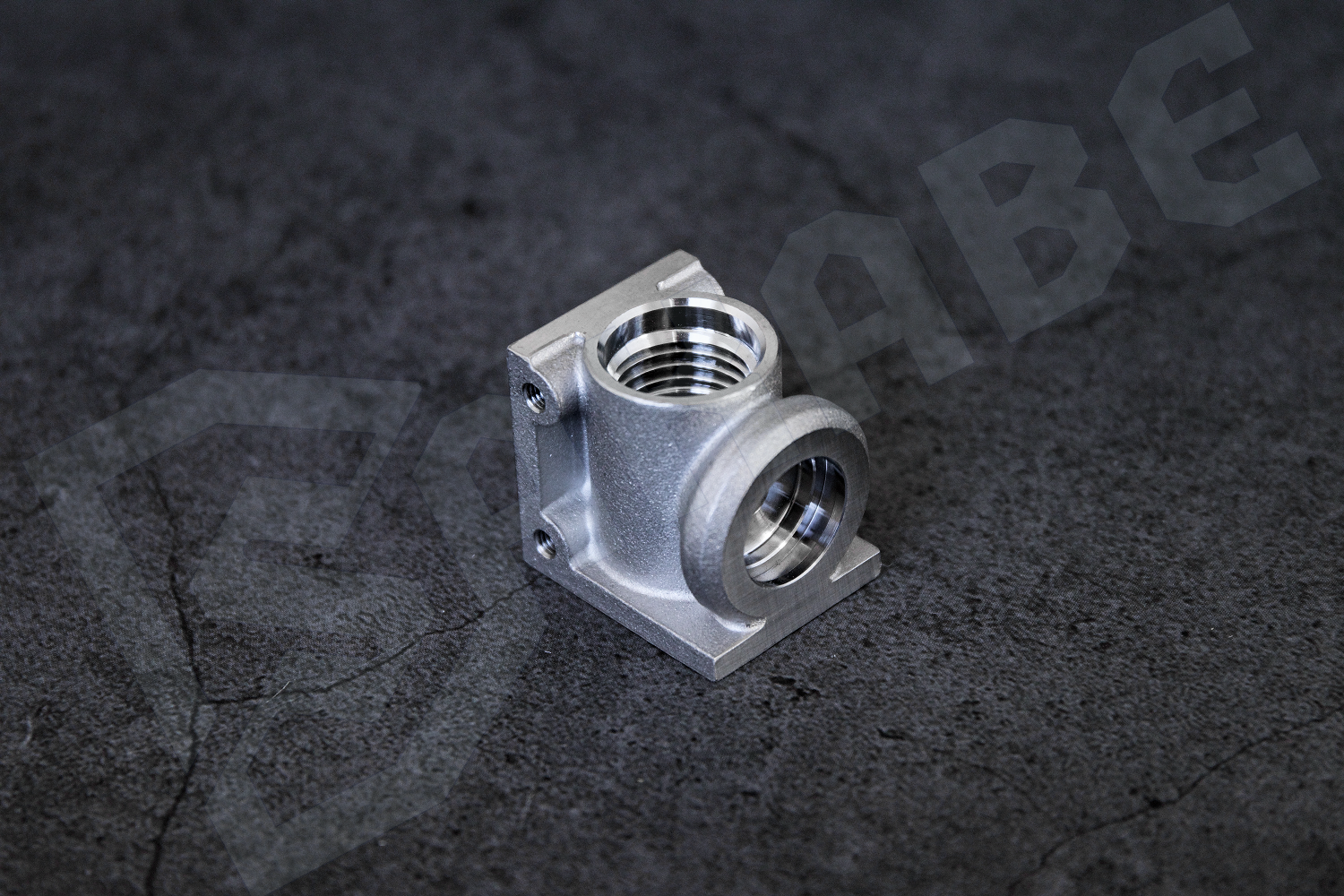
Why MIM Casting Is the Future of Precision Manufacturing
One of the primary benefits of MIM casting is its ability to produce intricate geometries that would be challenging or impossible to achieve through conventional machining methods
2025/03/11
CONTACT US
Tel: +86 136-5494-1611
E-mail: alexzheng@sakabe.cn
Office Address:
No.18 Dongbei Qi Street, Jinpu New Area, Dalian, Liaoning, China
Factory Address:
No.26 Fuan Street, Jinpu New Area, Dalian, Liaoning, China
