


Casting is a method employed to create parts from molten material, usually metal, which is poured into molds to solidify. This technique allows for intricate designs and shapes that are essential for the complex machinery involved in beverage production. The durability of casting parts is paramount, as these components are often exposed to high pressures, temperatures, and corrosive substances. Therefore, selecting the appropriate materials for these casting parts is critical.
Common materials used for durable beverage machinery casting parts include stainless steel, aluminum, and ductile iron. Stainless steel is favored for its corrosion resistance and strength, making it ideal for machinery that handles acidic or carbonated beverages. Aluminum castings are lightweight and have excellent thermal conductivity, which is beneficial in applications where heat dissipation is necessary. Ductile iron, known for its toughness and ability to absorb shock, is often utilized in heavy-duty machinery components that require both strength and flexibility.
In addition to material selection, the manufacturing process of casting parts significantly impacts their durability. Processes such as sand casting, investment casting, and die casting each have unique advantages that can enhance the quality of the final product. For instance, investment casting is ideal for intricate designs and provides a smooth finish, whereas sand casting is more versatile and cost-effective for larger parts.
The application of durable beverage machinery casting parts extends beyond just creating machines. It also encompasses the maintenance and operational efficiency of these machines. Well-made casting parts reduce the likelihood of breakdowns, minimize the need for frequent replacements, and ultimately lead to lower operational costs. For businesses in the beverage industry, investing in high-quality casting parts can translate into increased productivity and enhanced product quality.
In conclusion, durable beverage machinery casting parts are vital for ensuring the longevity and efficiency of machinery involved in beverage production. By understanding the materials, processes, and applications associated with these casting parts, manufacturers can make informed decisions that lead to better performance and greater success in the competitive beverage market. Investing in durable components not only improves machinery resilience but also contributes to the overall effectiveness of production operations, ensuring that businesses can meet consumer demands with reliability and confidence.

How Do Medical Equipment Casting Parts Ensure Precision and Reliability in Healthcare Manufacturing
The production of medical equipment casting parts is a multifaceted process that requires careful consideration of design, materials, and quality assurance
2025/04/21

Top Benefits of Using Quality Flowmeter Casting Parts in Manufacturing
The use of quality flowmeter casting parts is essential for manufacturers seeking to enhance accuracy, reliability, and efficiency in their operations
2025/04/21

How Best Singer Sewing Machine Parts Reshape the Classics
Choosing the best singer sewing machine parts means choosing the ultimate pursuit of quality. These accessories not only improve the overall performance of the sewing machine, but also extend the service life of the equipment invisibly
2025/03/20
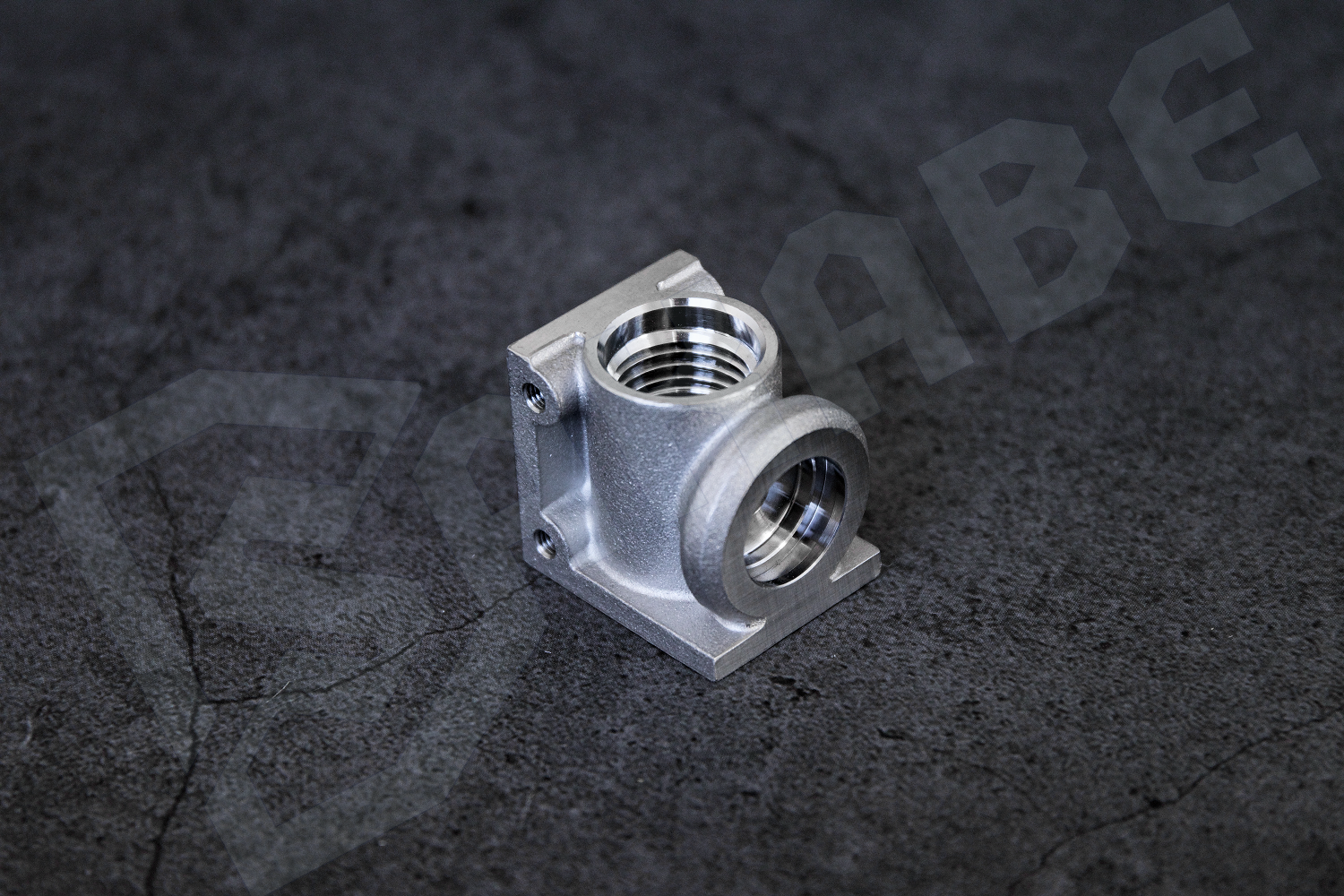
Why MIM Casting Is the Future of Precision Manufacturing
One of the primary benefits of MIM casting is its ability to produce intricate geometries that would be challenging or impossible to achieve through conventional machining methods
2025/03/11
CONTACT US
Tel: +86 136-5494-1611
E-mail: alexzheng@sakabe.cn
Office Address:
No.18 Dongbei Qi Street, Jinpu New Area, Dalian, Liaoning, China
Factory Address:
No.26 Fuan Street, Jinpu New Area, Dalian, Liaoning, China
