


Classy flowmeter casting parts are typically made from high-quality materials that ensure robustness and resistance to wear and corrosion. Cast iron, aluminum, and various alloys are popular choices due to their excellent mechanical properties and ability to withstand harsh operating conditions. The precision in casting these parts is crucial; any imperfections can lead to inaccuracies in flow measurement, affecting overall system performance. This is why the casting process requires careful control and expertise.
Moreover, the design of flowmeter casting parts should be optimized for the specific application. Factors such as the type of fluid being measured, flow rate, and environmental conditions must be considered. For instance, parts that are intended for use in corrosive environments may require coatings or treatments that enhance their resistance to chemical damage.
Efficiency in the manufacturing process of classy flowmeter casting parts is not only about the quality of the material but also involves the methods used in production. Advanced casting techniques, such as investment casting or die casting, can enhance the precision of the parts produced. These methods allow for tighter tolerances and more complex geometries, which can be crucial for the performance of flowmeters.
Additionally, the integration of modern technologies such as computer-aided design (CAD) and simulation software in the design phase can greatly improve the effectiveness of flowmeter casting parts. These technologies help manufacturers predict how the parts will behave under different conditions, allowing for better design choices and ultimately improving the reliability of the flowmeters.
In conclusion, classy flowmeter casting parts are a fundamental aspect of the manufacturing and machining sectors that ensure accurate fluid measurement. By understanding the materials, production processes, and design considerations involved in these components, industry professionals can enhance the efficiency and reliability of flow measurement systems. Knowledge of these factors can lead to better product development, improved operational performance, and a competitive edge in the market.
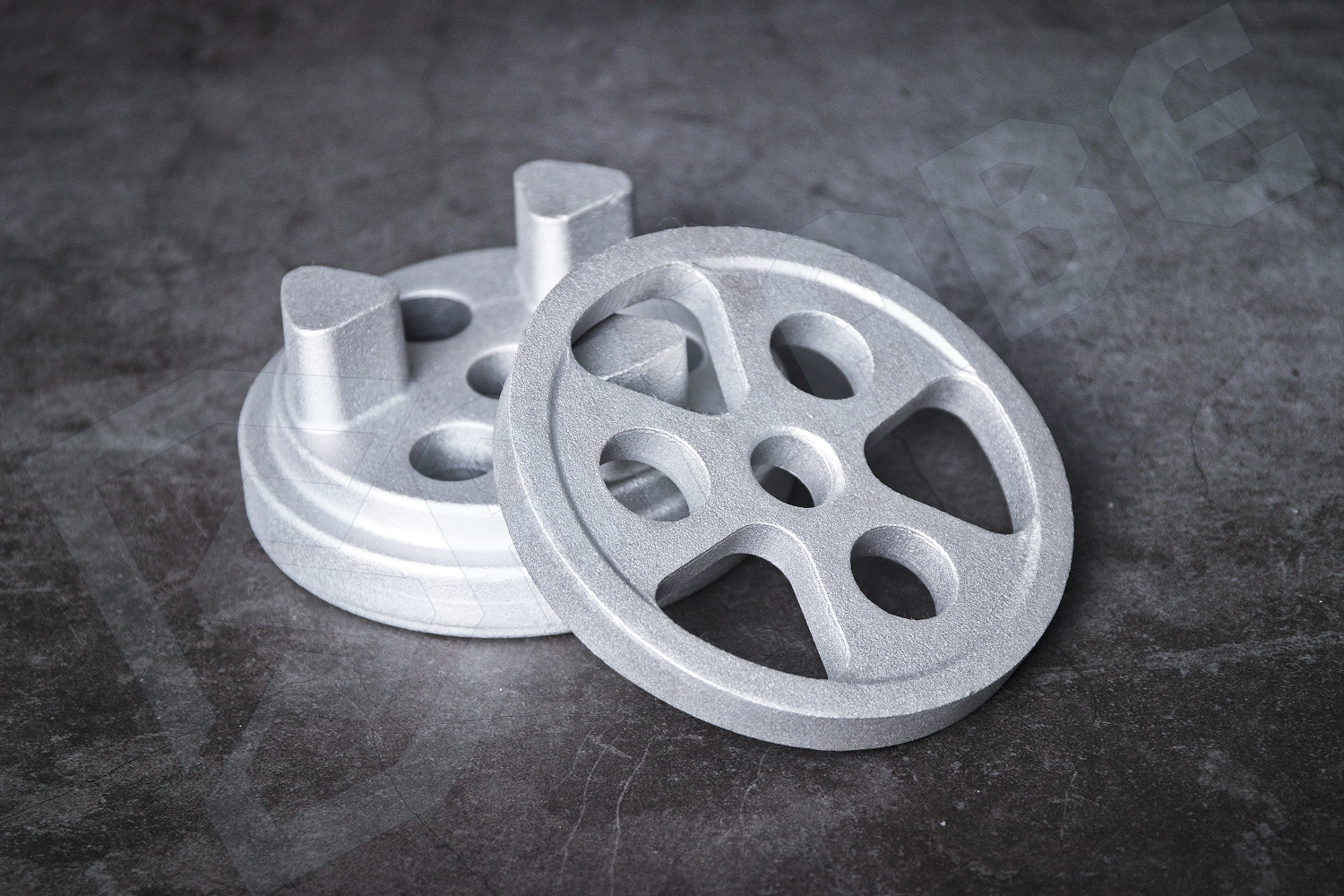
Heat Treatment Tool Casting: Enhancing Performance and Durability in Manufacturing
Heat treatment is an indispensable aspect of tool casting that significantly contributes to the performance and durability of industrial tools
2024/10/23

Unlocking Precision: The Role of Casting in Medical Tool Parts
In the ever-evolving landscape of medical tool manufacturing, medical tool parts casting stands out as a critical process that ensures precision, reliability, and innovation
2024/10/23
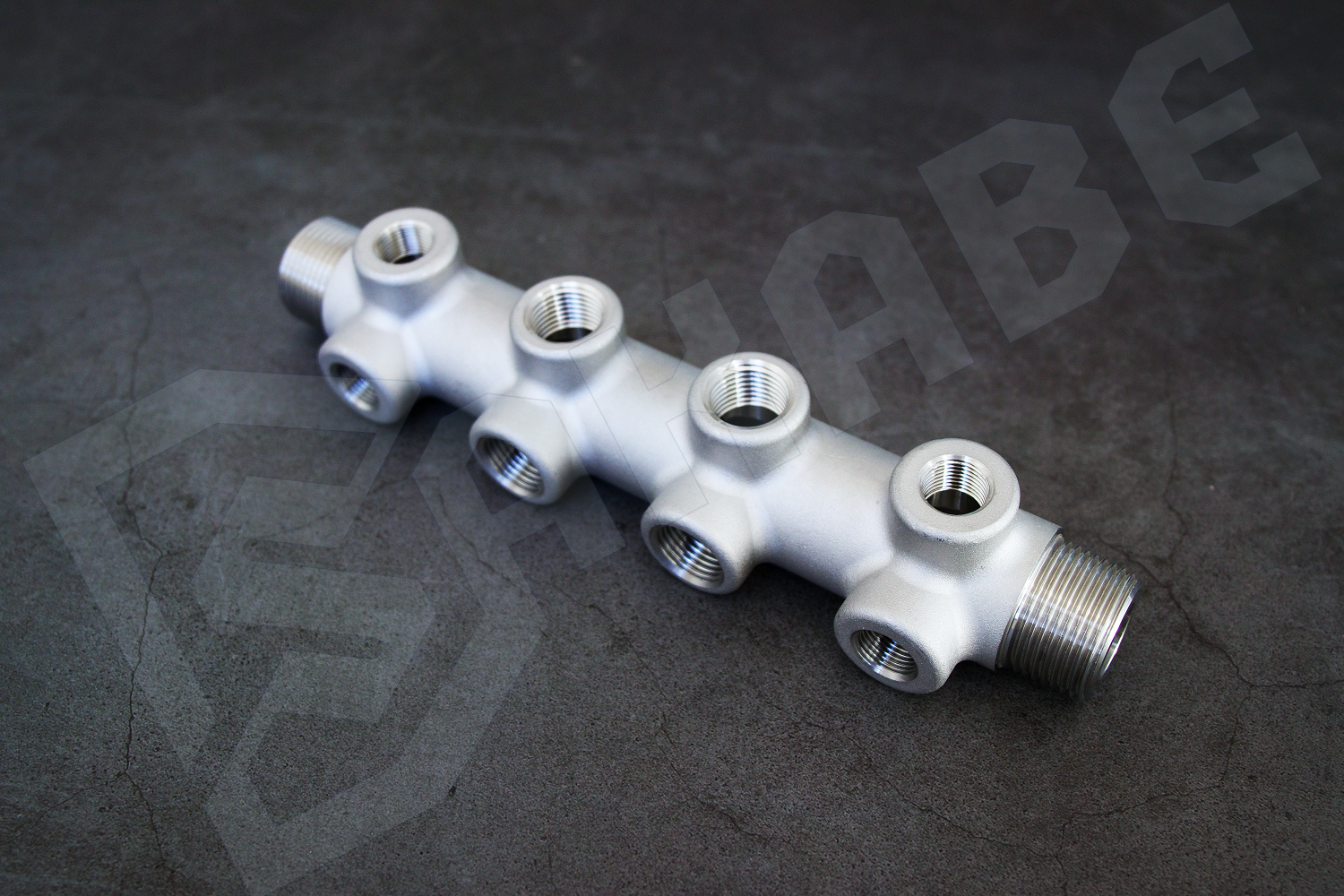
Medical Equipment Parts Casting Ensures Precision Quality and Innovation in Healthcare Manufacturing
Another significant aspect of medical equipment parts casting is the consistency it offers. High-quality casting processes ensure that each part produced meets the necessary specifications and tolerances
2024/10/23

The Environmental Impact of Flowmeter Parts Casting in Manufacturing
The environmental impact of flowmeter parts casting in manufacturing is a pressing issue that requires immediate attention. By understanding the implications of traditional casting processes and embracing sustainable practices and technological innovations, manufacturers can significantly reduce their ecological footprints.
2024/10/23
CONTACT US
Tel: +86 136-5494-1611
E-mail: alexzheng@sakabe.cn
Office Address:
No.18 Dongbei Qi Street, Jinpu New Area, Dalian, Liaoning, China
Factory Address:
No.26 Fuan Street, Jinpu New Area, Dalian, Liaoning, China
