


Die-casting is a manufacturing process where molten metal is injected into a mold under high pressure. This technique allows for the creation of complex shapes with tight tolerances, making it ideal for flowmeter components that require high precision. The latest innovations in this process have led to improved surface finishes and stronger parts, which are essential for the functionality of flowmeters used in fluid and gas measurement applications.
One of the significant advancements in flowmeter die-casting parts is the use of lightweight yet durable materials. The introduction of high-strength alloys not only reduces the overall weight of the components but also enhances their resistance to corrosion and wear. This is particularly beneficial in environments where flowmeters are exposed to harsh conditions, ensuring longevity and consistent performance.
Moreover, the newest flowmeter die-casting parts are designed with integration in mind. Modern manufacturing techniques allow for the incorporation of sensors and electronic components directly into the die-cast parts, enabling real-time data collection and monitoring. This integration simplifies the overall design and reduces assembly time while enhancing the functionality of the flowmeter systems.
The precision offered by the latest die-casting methods also means that flowmeter parts can be produced with minimal waste and energy consumption. Manufacturers are increasingly adopting sustainable practices, and the efficiency of die-casting aligns well with these goals. By minimizing material waste during the production process, companies can contribute to both environmental sustainability and cost-effectiveness.
Furthermore, as industries continue to embrace automation and smart technologies, the demand for advanced flowmeter die-casting parts will only grow. These components play a crucial role in industrial automation, providing accurate measurements that inform process control and decision-making.
In conclusion, the newest flowmeter die-casting parts represent a blend of innovation, precision, and sustainability. Their development is a testament to the continuous improvements in the manufacturing sector, particularly in mechanical hardware processing. As companies seek to enhance their operational efficiency, investing in high-quality flowmeter components will be paramount. Keeping abreast of these advancements ensures that businesses remain competitive in a rapidly changing market.

Understanding the Critical Role of Heat Treatment in Tool Casting for Enhanced Performance
In conclusion, the role of heat treatment tool casting in tool casting is indispensable for manufacturers seeking to enhance the performance and longevity of their tools
2024/08/20
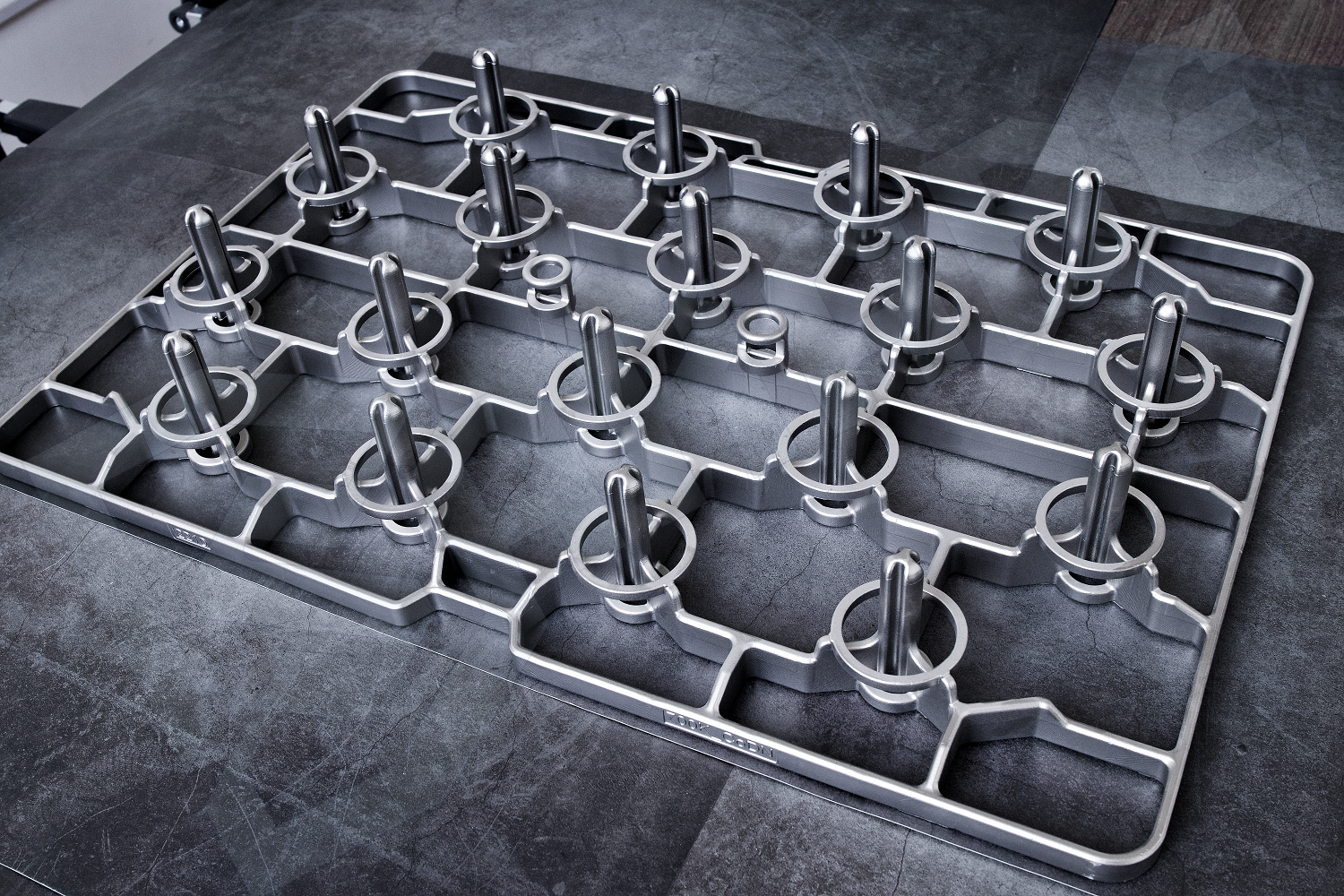
The choice of materials is paramount in medical tool parts casting. Common materials include stainless steel, aluminum, and titanium, each offering unique properties suitable for specific applications
2024/08/20

Advancing Medical Equipment Through Precision Casting: Processes, Benefits, and Future Directions
Medical equipment parts casting is a cornerstone of modern manufacturing in the healthcare industry
2024/08/20
CONTACT US
Tel: +86 136-5494-1611
E-mail: alexzheng@sakabe.cn
Office Address:
No.18 Dongbei Qi Street, Jinpu New Area, Dalian, Liaoning, China
Factory Address:
No.26 Fuan Street, Jinpu New Area, Dalian, Liaoning, China
