

The casting process begins with the selection of appropriate materials, typically aluminum or iron, due to their favorable properties such as lightweight, durability, and resistance to corrosion. These materials are heated to their melting points and poured into molds that are designed to replicate the desired part shape. This is where the precision of casting comes into play; a well-designed mold can significantly affect the quality and fit of the final product.
One of the significant advantages of advanced sewing machine parts casting is the ability to create intricate designs that may be challenging to achieve through other manufacturing methods. Components such as the machine's frame, needle holder, and motor mounts can be cast to fit tightly and function seamlessly. This precision reduces the need for extensive machining after casting, which can save time and costs in the manufacturing process.
Moreover, the casting process enables the production of parts in large quantities, making it an efficient option for manufacturing sewing machines on a commercial scale. In addition to efficiency, the uniformity of cast parts ensures that each sewing machine operates consistently, which is crucial for both manufacturers and end-users.
Quality control is paramount in advanced sewing machine parts casting. Rigorous testing and inspection processes help ensure that every component meets the required standards for performance and safety. This includes checking for defects such as air pockets or impurities in the metal, which can compromise the integrity of the parts.
In summary, advanced sewing machine parts casting represents a critical area of focus in the manufacturing of sewing machines. Understanding the intricacies of this process, from material selection to quality control, is essential for professionals in the machining and manufacturing sectors. As technology advances, innovations in casting techniques will likely continue to enhance the capabilities and efficiencies of sewing machine manufacturing, making it an exciting field to watch.
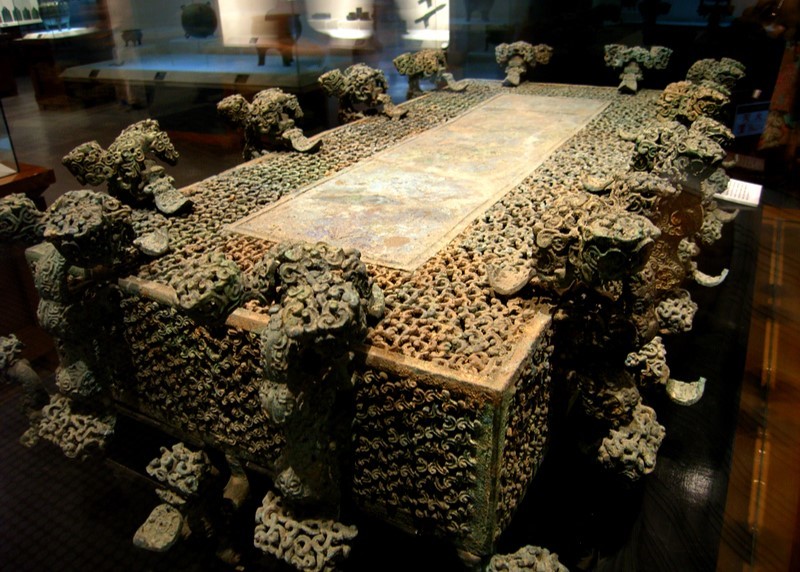
Introduction to investment casting manufacturing technique
Investment casting, also known as wax loss casting, is a long-standing metal forming process. The copper ban during the Spring and Autumn period in China was the earliest known lost wax casting method. The first step is to make a mold, using the mold to inject liquid wax into the mold to form a wax mold. Then, the wax mold is pasted into a pouring system according to the casting process, and the entire pouring system is made into a silica sol shell. After dewaxing, the entire shell becomes a cavity, and the cavity shell can be poured with molten steel after calcination. After cooling, the steel material product is formed. Subsequently, through processes such as cutting and grinding, sandblasting, heat treatment, correction, welding repair, electroplating, and machining, the cast products required by the customer are formed.
2024/10/08

Dalian is a beautiful coastal city in Northeast China, with beautiful scenery and pleasant climate. It is an important industrial production base, an international shipping center in Northeast Asia.
2024/07/11
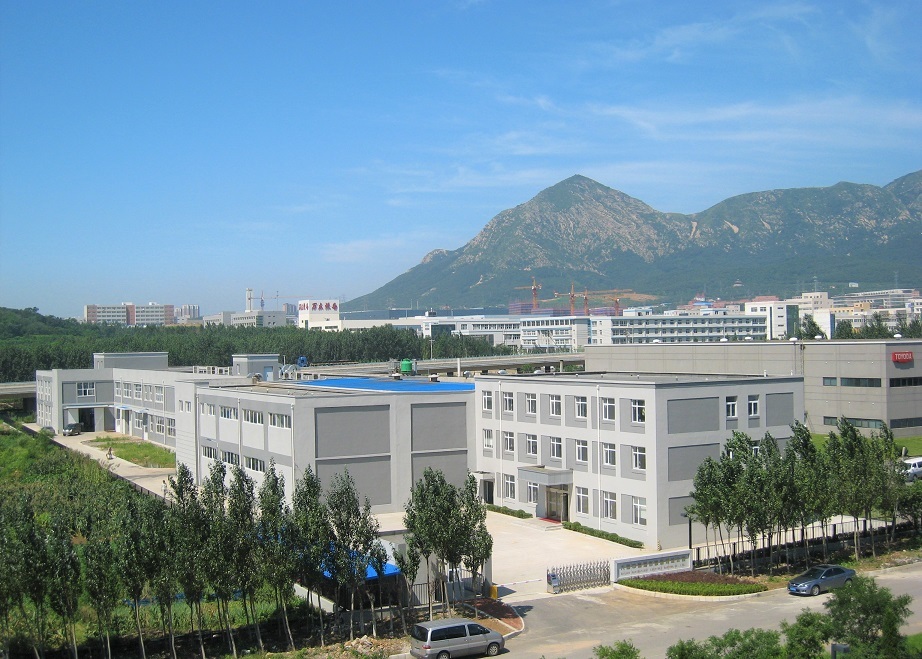
Dalian Sakabe has own foundry factory and focus on providing high-quality precision casting products to domestic and foreign customers since its establishment in 2005.
2024/10/08
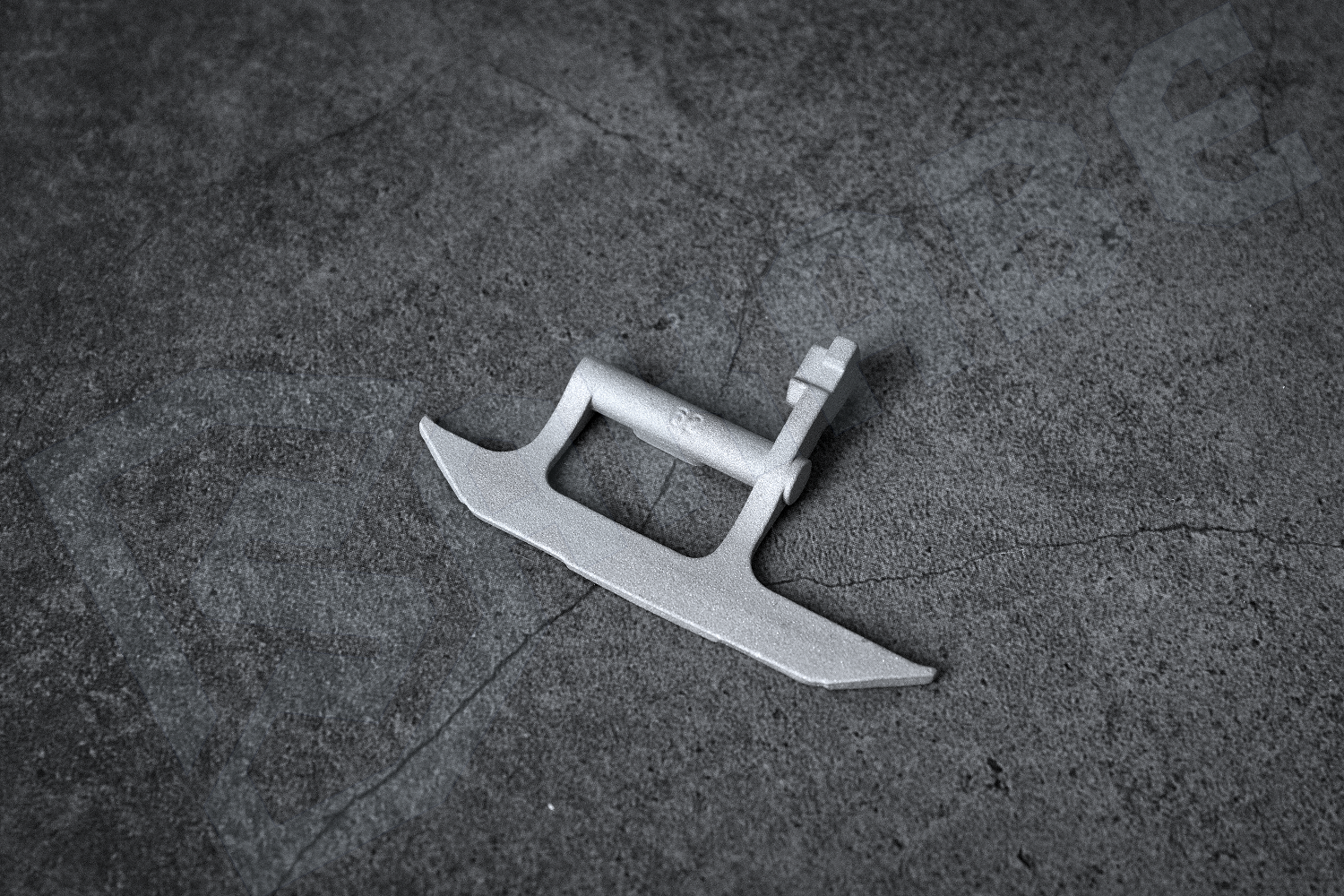
The Crucial Role of Casting Material Trays in Advanced Manufacturing
In the ever-evolving landscape of manufacturing, optimizing heat treatment processes through the strategic use of casting material trays is paramount
2025/09/19
CONTACT US
Tel: +86 136-5494-1611
E-mail: alexzheng@sakabe.cn
Office Address:
No.18 Dongbei Qi Street, Jinpu New Area, Dalian, Liaoning, China
Factory Address:
No.26 Fuan Street, Jinpu New Area, Dalian, Liaoning, China
