


In the realm of manufacturing and processing machinery, particularly within the beverage industry, the role of casting in creating high-quality components cannot be overstated. Fancy beverage machinery parts casting involves the precision molding of materials to produce intricate and durable components essential for beverage production. This process not only enhances the efficiency of machines but also ensures the final product meets the aesthetic and functional requirements of modern consumers.
Casting is a versatile manufacturing process where liquid material is poured into a mold and allowed to solidify, forming the desired shape. In the context of fancy beverage machinery, this technique is crucial for producing parts that are not only functional but also visually appealing. The beverage industry often demands components that can withstand high temperatures, resist corrosion, and maintain cleanliness, making the choice of materials and casting methods critical.
There are several types of casting processes used in the production of machinery parts, including sand casting, investment casting, and die casting. Each method has its advantages, and the choice depends on factors such as the complexity of the part, production volume, and material specifications. For fancy beverage machinery parts, investment casting is often favored for its ability to create intricate designs with superior surface finishes, which are essential for both performance and aesthetics.
Quality control is paramount in the casting process. Manufacturers must ensure that the parts produced meet strict industry standards and regulations. This includes rigorous testing for material integrity, dimensional accuracy, and surface quality. Advanced technologies, such as computer-aided design (CAD) and computer numerical control (CNC) machining, play a significant role in enhancing the precision and quality of cast parts. These technologies enable manufacturers to create intricate designs and optimize the casting process for better efficiency.
Sustainability is also becoming a vital consideration in the casting of fancy beverage machinery parts. With the increasing emphasis on environmentally friendly practices, many manufacturers are exploring the use of recycled materials and adopting cleaner production processes. This not only helps reduce waste but also lowers the carbon footprint associated with the manufacturing of these components.
In conclusion, fancy beverage machinery parts casting is a sophisticated process that combines artistry and engineering. As the beverage industry continues to evolve, the demand for innovative and high-quality components will only grow. Manufacturers who invest in advanced casting technologies and sustainable practices will be well-positioned to meet the challenges and opportunities of this dynamic market. Understanding the nuances of this process is essential for anyone involved in the manufacturing and processing of beverage machinery, paving the way for continued innovation and improvement within the industry.
Casting is a versatile manufacturing process where liquid material is poured into a mold and allowed to solidify, forming the desired shape. In the context of fancy beverage machinery, this technique is crucial for producing parts that are not only functional but also visually appealing. The beverage industry often demands components that can withstand high temperatures, resist corrosion, and maintain cleanliness, making the choice of materials and casting methods critical.
There are several types of casting processes used in the production of machinery parts, including sand casting, investment casting, and die casting. Each method has its advantages, and the choice depends on factors such as the complexity of the part, production volume, and material specifications. For fancy beverage machinery parts, investment casting is often favored for its ability to create intricate designs with superior surface finishes, which are essential for both performance and aesthetics.
Quality control is paramount in the casting process. Manufacturers must ensure that the parts produced meet strict industry standards and regulations. This includes rigorous testing for material integrity, dimensional accuracy, and surface quality. Advanced technologies, such as computer-aided design (CAD) and computer numerical control (CNC) machining, play a significant role in enhancing the precision and quality of cast parts. These technologies enable manufacturers to create intricate designs and optimize the casting process for better efficiency.
Sustainability is also becoming a vital consideration in the casting of fancy beverage machinery parts. With the increasing emphasis on environmentally friendly practices, many manufacturers are exploring the use of recycled materials and adopting cleaner production processes. This not only helps reduce waste but also lowers the carbon footprint associated with the manufacturing of these components.
In conclusion, fancy beverage machinery parts casting is a sophisticated process that combines artistry and engineering. As the beverage industry continues to evolve, the demand for innovative and high-quality components will only grow. Manufacturers who invest in advanced casting technologies and sustainable practices will be well-positioned to meet the challenges and opportunities of this dynamic market. Understanding the nuances of this process is essential for anyone involved in the manufacturing and processing of beverage machinery, paving the way for continued innovation and improvement within the industry.
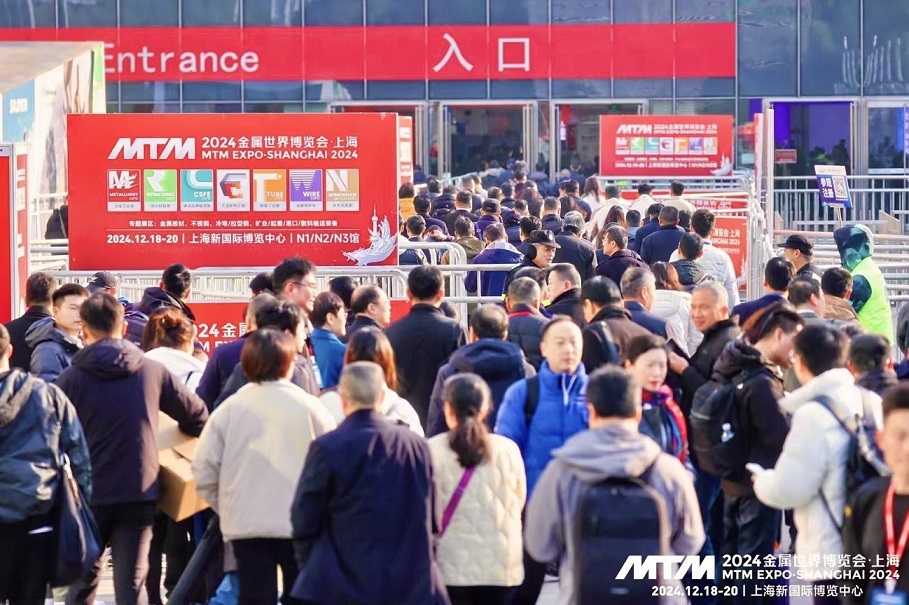
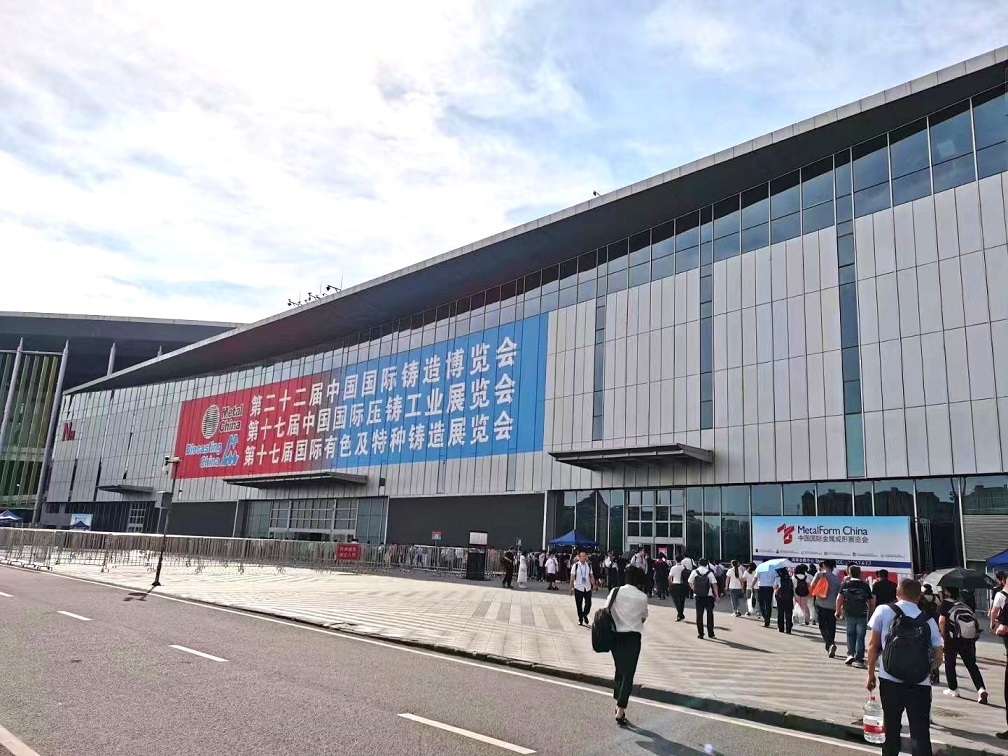
2024 Shanghai International Foundry Expo
In December 2024, Dalian Sakabe met new friends at the Shanghai International Foundry Expo
2024/12/30
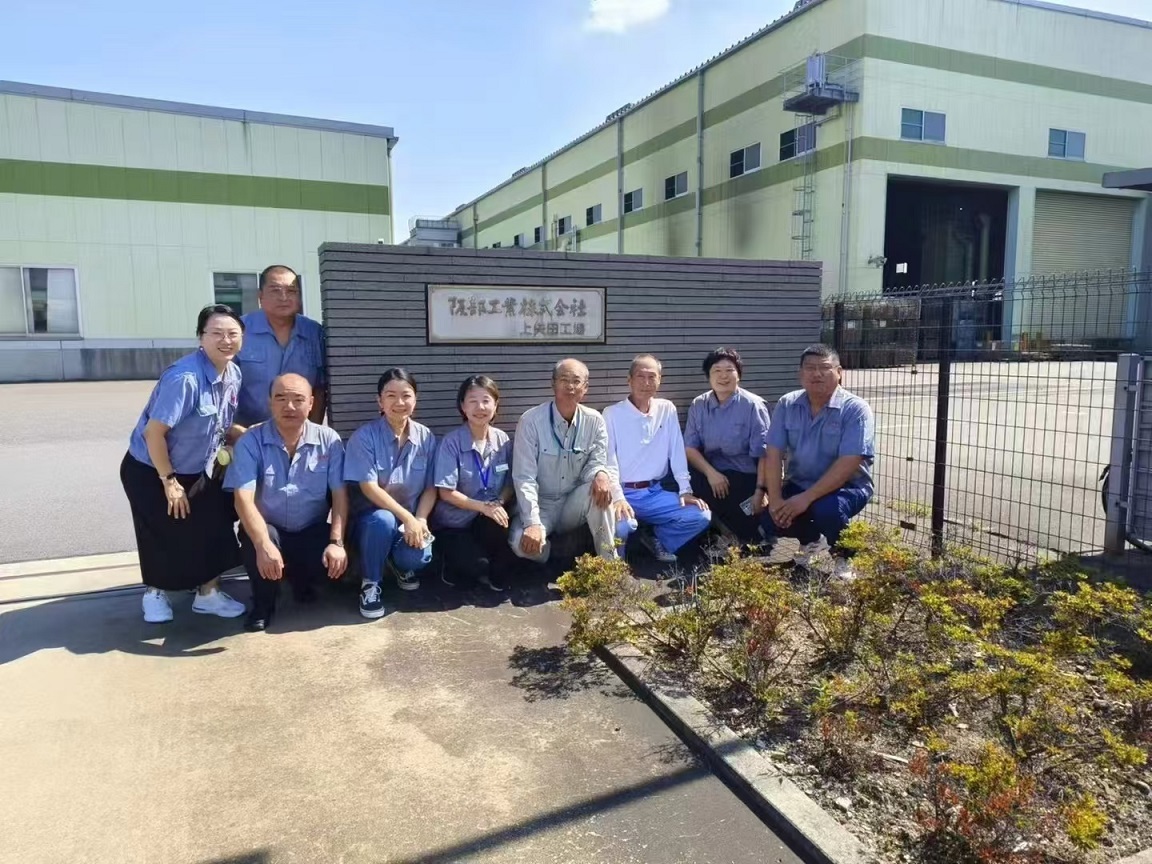
Sakabe production exchange meeting between Chinese and Japanese teams
A stable international cooperation relationships are particularly precious in the increasingly severe international environment. Sakabe production teams from China and Japan held a production exchange meeting recently.
2024/10/08
2024/10/08

CONTACT US
Tel: +86 136-5494-1611
E-mail: alexzheng@sakabe.cn
Office Address:
No.18 Dongbei Qi Street, Jinpu New Area, Dalian, Liaoning, China
Factory Address:
No.26 Fuan Street, Jinpu New Area, Dalian, Liaoning, China
