


Introduction to Fluid Chemical Equipment Parts Casting
In the fast-paced world of manufacturing, the quality of your **chemical equipment** directly affects production efficiency and product reliability. One crucial factor in achieving optimal performance is the casting of fluid chemical equipment parts. This article explores the intricacies of **fluid chemical equipment parts casting**, focusing on how it can elevate your production processes.
The Importance of Quality in Chemical Equipment Casting
Quality in casting is not just a matter of preference; it is essential for ensuring the longevity and reliability of equipment. **High-quality cast parts** reduce downtime, enhance operational efficiency, and ultimately lead to cost savings. Understanding the factors influencing the quality of cast parts can guide manufacturers in making informed choices.
Key Elements of High-Quality Casting
1. **Material Selection**: The choice of materials used in casting is paramount. Cast iron, aluminum, and specialized alloys offer different benefits such as corrosion resistance and strength.
2. **Casting Techniques**: Techniques like sand casting, investment casting, and die casting each have unique advantages and applications.
3. **Precision Engineering**: Advanced technologies support precision in casting, ensuring that every part meets stringent specifications.
Material Selection for Fluid Chemical Equipment Parts
Choosing the right materials is critical. For fluid chemical equipment, corrosion-resistant materials are often necessary due to exposure to harsh chemicals. **Stainless steel** and **high-temperature alloys** are commonly used for their durability and effectiveness.
Innovations in Fluid Chemical Equipment Parts Casting
The manufacturing landscape is continuously evolving, with innovations in casting processes that enhance production efficiency and reduce costs.
Advanced Casting Techniques
1. **3D Printing in Casting**: Rapid prototyping through 3D printing allows for quick iterations and design modifications, significantly speeding up the production timeline.
2. **CNC Machining**: Integrating CNC machining with casting processes ensures precision and reduces the need for extensive post-casting work.
3. **Automated Quality Control**: Implementing AI and machine learning in quality control processes improves defect detection rates and enhances overall quality assurance.
The Role of Technology in Enhancing Casting Quality
Modern technologies enable manufacturers to monitor casting processes in real-time, allowing for immediate adjustments and minimizing defects. This leads to higher quality outputs and improved operational efficiencies.
Cost-Effectiveness of High-Quality Cast Parts
Investing in high-quality casting can lead to significant cost savings over time. While the initial investment may be higher, the long-term benefits are undeniable.
Long-Term Savings from Durable Cast Parts
1. **Reduced Maintenance Costs**: Durable cast parts withstand wear and tear, leading to lower maintenance and replacement costs.
2. **Improved Productivity**: Reliable equipment results in fewer production stoppages and higher output.
3. **Enhanced Safety**: Quality cast parts reduce the risk of failures that can lead to workplace accidents, thereby safeguarding employees and minimizing liability.
Choosing the Right Partner for Casting Needs
Selecting a casting partner is critical to achieving high-quality outcomes. Here are key factors to consider:
Factors to Consider When Selecting a Casting Supplier
1. **Experience and Expertise**: Look for suppliers with extensive experience in casting for chemical equipment.
2. **Reputation**: A solid reputation in the industry often indicates reliability and quality.
3. **Certifications and Standards**: Ensure the supplier adheres to industry standards and possesses relevant certifications.
The Importance of Collaboration in the Casting Process
Collaborating closely with casting suppliers can help ensure that the final product meets your precise specifications. Regular communication facilitates adjustments and improvements throughout the production process.
Environmental Considerations in Casting
As industries worldwide strive for sustainability, the casting process must also adapt.
Sustainable Practices in Fluid Chemical Equipment Parts Casting
1. **Recycled Materials**: Many manufacturers are now using recycled metals in the casting process, reducing environmental impact.
2. **Energy-Efficient Processes**: Implementing energy-efficient technologies can lower the carbon footprint associated with casting.
3. **Waste Reduction**: Streamlining processes to minimize waste not only helps the environment but also reduces costs.
The Future of Sustainable Casting
Future innovations in casting processes will likely focus on enhancing sustainability, with an emphasis on reducing waste and energy consumption while maintaining quality.
FAQs About Fluid Chemical Equipment Parts Casting
1. What materials are best for fluid chemical equipment parts casting?
**Stainless steel, aluminum, and specialized alloys** are typically the best choices for their durability and corrosion resistance.
2. How can I ensure high quality in my cast parts?
**Implementing strict quality control measures**, selecting reputable suppliers, and ensuring proper material selection can significantly improve casting quality.
3. What are the most common casting techniques used in manufacturing?
**Sand casting, investment casting, and die casting** are among the most common techniques, each suited to different applications.
4. Why is precision important in the casting process?
Precision ensures that parts fit correctly and function as intended, reducing the likelihood of mechanical failures and enhancing equipment reliability.
5. How does sustainable casting benefit my business?
Sustainable practices can lower production costs, enhance brand reputation, and comply with environmental regulations, ultimately contributing to a more profitable operation.
Conclusion
**Fluid chemical equipment parts casting** plays a pivotal role in the manufacturing sector, providing the durability and reliability essential for optimal production. By prioritizing quality, embracing innovative technologies, and choosing the right partners, manufacturers can elevate their production capabilities. Sustainable practices not only benefit the environment but also enhance profitability and efficiency. In a competitive market, investing in high-quality casting is not just beneficial—it's essential for long-term success.

Understanding the Critical Role of Heat Treatment in Tool Casting for Enhanced Performance
In conclusion, the role of heat treatment tool casting in tool casting is indispensable for manufacturers seeking to enhance the performance and longevity of their tools
2024/08/20
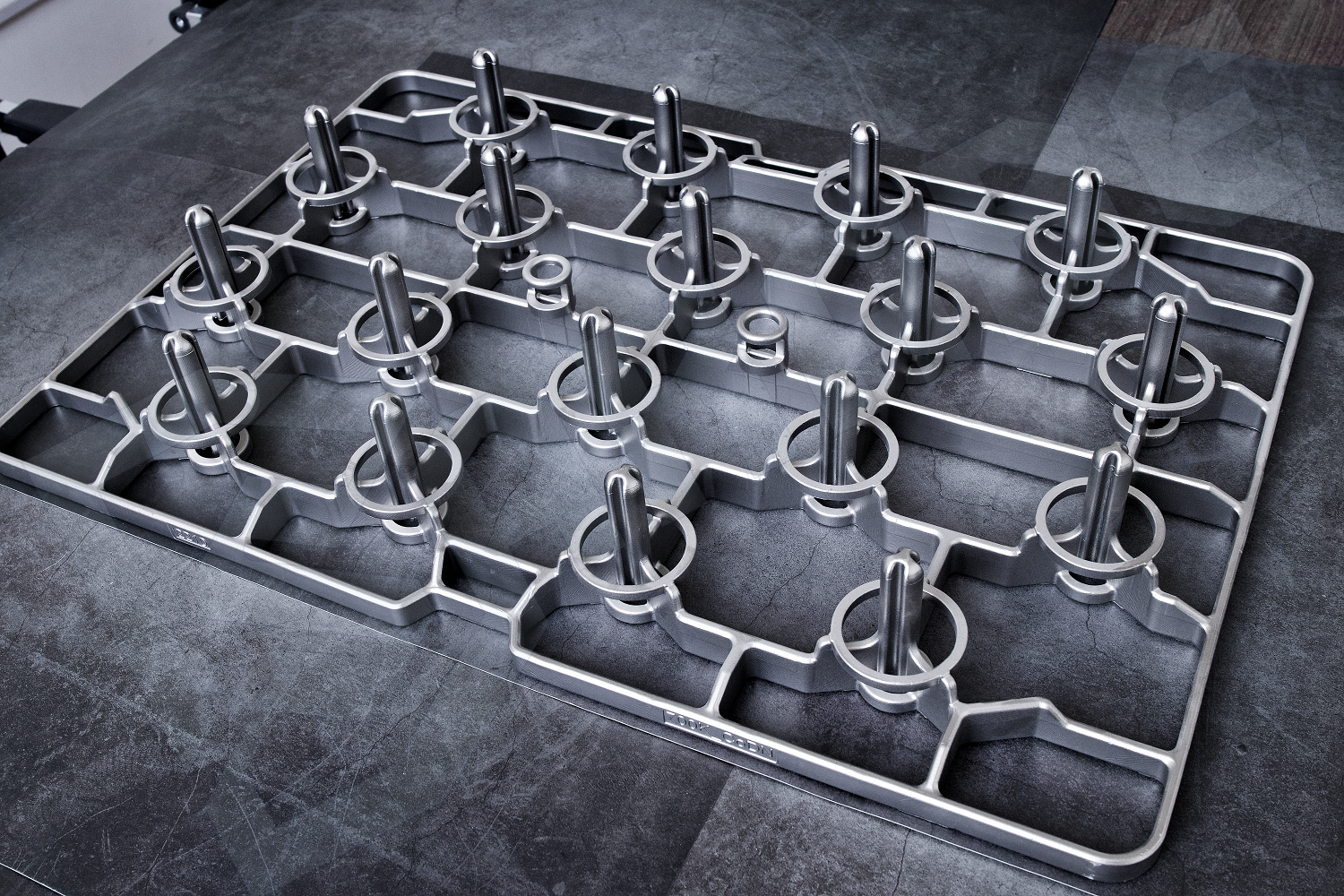
The choice of materials is paramount in medical tool parts casting. Common materials include stainless steel, aluminum, and titanium, each offering unique properties suitable for specific applications
2024/08/20

Advancing Medical Equipment Through Precision Casting: Processes, Benefits, and Future Directions
Medical equipment parts casting is a cornerstone of modern manufacturing in the healthcare industry
2024/08/20
CONTACT US
Tel: +86 136-5494-1611
E-mail: alexzheng@sakabe.cn
Office Address:
No.18 Dongbei Qi Street, Jinpu New Area, Dalian, Liaoning, China
Factory Address:
No.26 Fuan Street, Jinpu New Area, Dalian, Liaoning, China
