


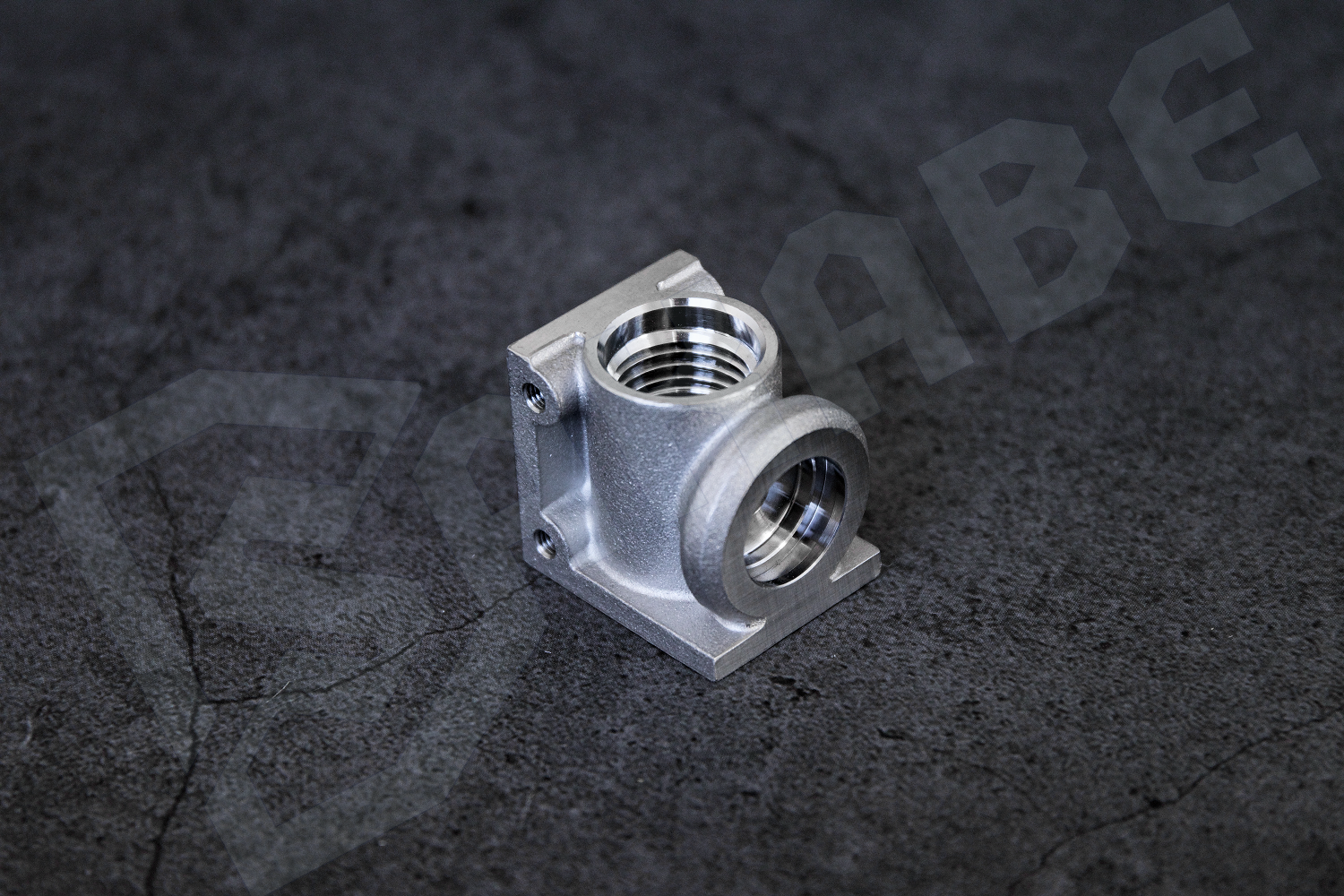
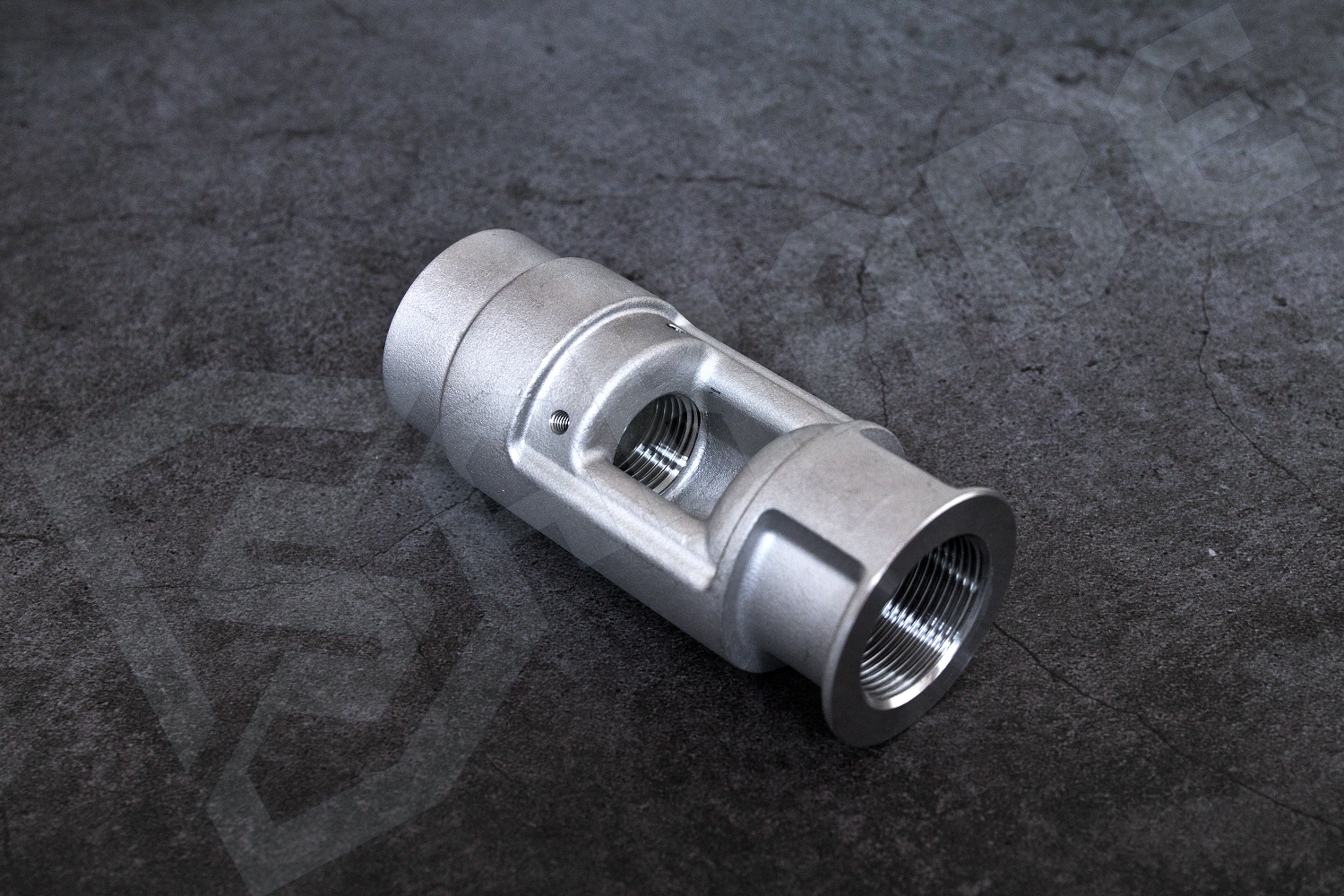
One of the leading advancements in new flowmeter parts casting is the application of advanced materials. Traditionally, flowmeter components were often made from standard metals or alloys, but the shift towards high-performance materials like stainless steel, carbon composites, and even specialty alloys offers improved durability and resistance to corrosion. These materials are essential for flowmeters operating in harsh environments, where exposure to chemicals and extreme temperatures can compromise functionality.
In addition to material selection, the casting techniques employed in manufacturing flowmeter parts have also evolved. Techniques such as investment casting and 3D printing are becoming increasingly common in the production of flowmeter components. Investment casting allows for intricate designs and high precision, which is crucial for components that require tight tolerances to ensure accurate measurements. On the other hand, 3D printing enables rapid prototyping and customization, allowing manufacturers to quickly adapt to changing industry demands or specific client requirements.
Another significant aspect of new flowmeter parts casting is the design of the parts themselves. Modern flowmeter designs often incorporate features that enhance flow characteristics and reduce turbulence, ensuring more accurate readings. Computational fluid dynamics (CFD) simulations can be utilized during the design phase to predict how different shapes and configurations will perform. This approach not only improves the design process but also allows for the optimization of manufacturing techniques, further enhancing the efficiency of the casting process.
Quality control plays a vital role in the casting of new flowmeter parts. Implementing stringent quality assurance protocols during the manufacturing process ensures that each component meets the necessary standards for performance and reliability. Techniques such as non-destructive testing (NDT) and thorough inspections of the cast parts are essential to guarantee that defects are identified and addressed before the parts are finalized and shipped.
In conclusion, the advancements in new flowmeter parts casting are pivotal in improving the reliability and efficiency of flow measurement devices used across various industries. By focusing on innovative materials, advanced casting techniques, and thoughtful designs, manufacturers can create high-quality flowmeter components that meet the evolving needs of the market. As the industry continues to innovate, staying informed about these developments will be crucial for businesses looking to enhance their production processes and product offerings.

Unlocking the Benefits of MIM Casting in Manufacturing
MIM casting is highly efficient, allowing the production of complex shapes that would be challenging or impossible to achieve with traditional machining methods
2024/12/20
What Are the Advantages of Metal Injection Molding
Metal injection molding is an advanced manufacturing process that combines the virtues of traditional injection molding with the capabilities of powder metallurgy
2024/12/20

Essential Components: Understanding Medical Equipment Parts
As technology advances, staying informed about the latest developments in medical equipment parts will be essential for delivering high-quality healthcare
2024/12/20
CONTACT US
Tel: +86 136-5494-1611
E-mail: alexzheng@sakabe.cn
Office Address:
No.18 Dongbei Qi Street, Jinpu New Area, Dalian, Liaoning, China
Factory Address:
No.26 Fuan Street, Jinpu New Area, Dalian, Liaoning, China
