


At its core, customized medical tool parts casting involves pouring molten material into a mold designed for the specific shape and dimensions of the part required. This method is particularly advantageous because it enables the creation of complex geometries that traditional machining processes may struggle to achieve. By utilizing casting techniques, manufacturers can enhance the performance and reliability of medical tools, ensuring that they meet the stringent regulatory standards that govern the healthcare industry.
One of the primary benefits of customized casting is its ability to produce parts that exhibit excellent mechanical properties. For instance, materials such as aluminum, stainless steel, and titanium can be cast to create lightweight yet durable components. This is vital in medical applications where the functionality of tools is paramount, and even minor defects can lead to significant consequences.
Moreover, the customization aspect allows for the adaptation of designs to fit specific requirements, whether it be for surgical instruments, diagnostic equipment, or prosthetic devices. This flexibility not only improves the usability of the tools but also enables healthcare professionals to work more efficiently and effectively, ultimately enhancing patient outcomes.
In addition to precision and customization, the casting process can also contribute to cost efficiency. By minimizing waste material and reducing the need for extensive machining, manufacturers can streamline their production processes. This efficiency can lead to faster turnaround times, allowing healthcare facilities to receive essential tools when they need them most.
As technology advances, the integration of computer-aided design (CAD) and computer-aided manufacturing (CAM) into the casting process has further enhanced the quality and precision of customized medical tool parts. These technologies enable manufacturers to simulate and optimize designs before actual production, ensuring that the final products meet the highest standards of accuracy.
In conclusion, customized medical tool parts casting represents a significant advancement in the manufacturing of healthcare instruments. By focusing on precision, customization, and efficiency, this process not only meets the current needs of the medical industry but also opens doors for future innovations. As the demand for specialized medical tools continues to grow, the role of casting in producing these components will undoubtedly become even more critical in ensuring the effectiveness and safety of medical treatments.

Enhancing Precision and Efficiency: Dewax Casting for Beverage Machinery Parts
Dewax casting plays an essential role in the manufacturing of beverage machinery parts, providing a method that emphasizes precision, efficiency, and durability
2025/05/20
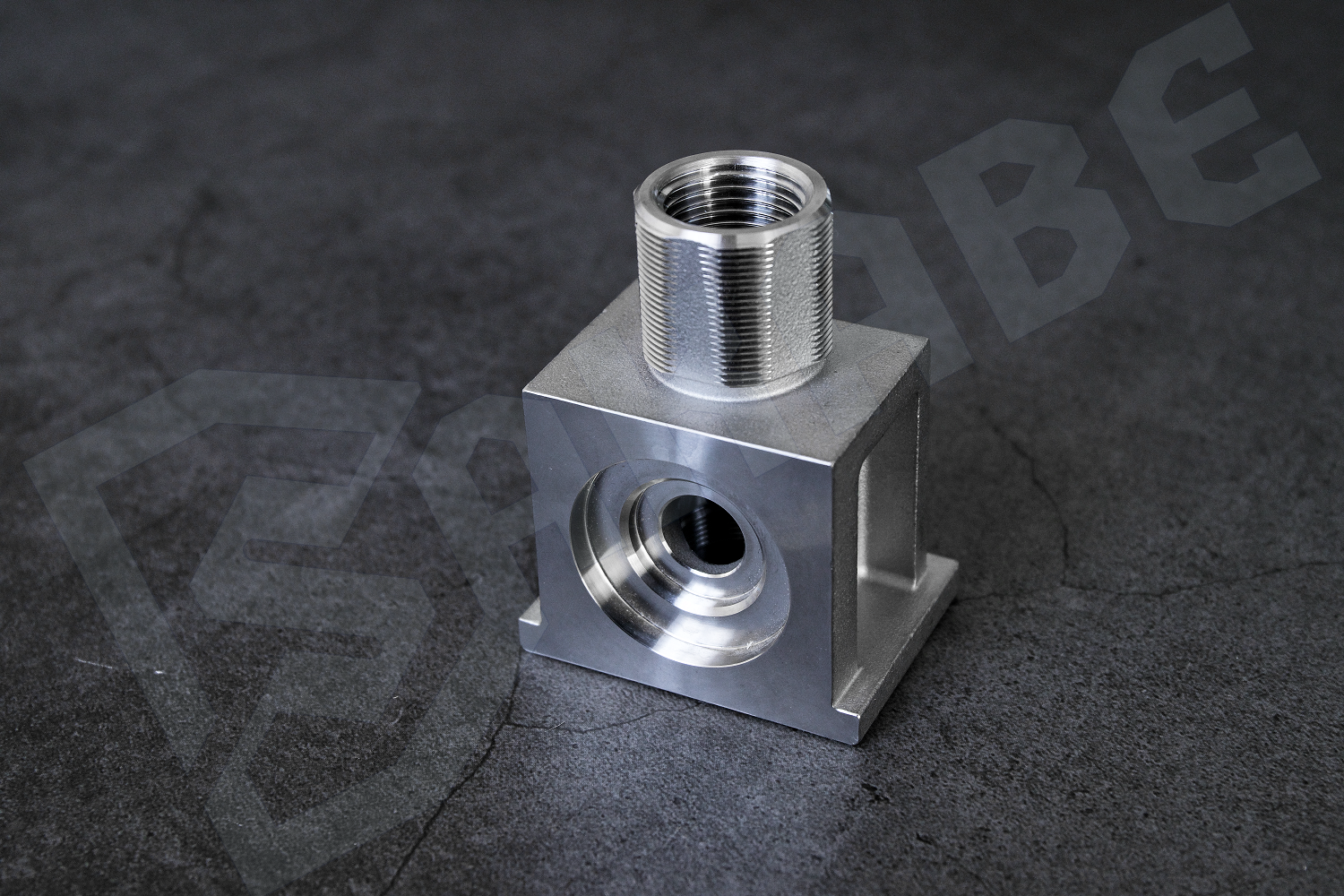
Introduction to Dewax Casting in Food Machinery Components
Dewax casting is an essential manufacturing process that significantly enhances the production of **food machinery components**. Its ability to create precise, intricate designs while ensuring durability makes it a favored choice in the food industry
2025/05/20
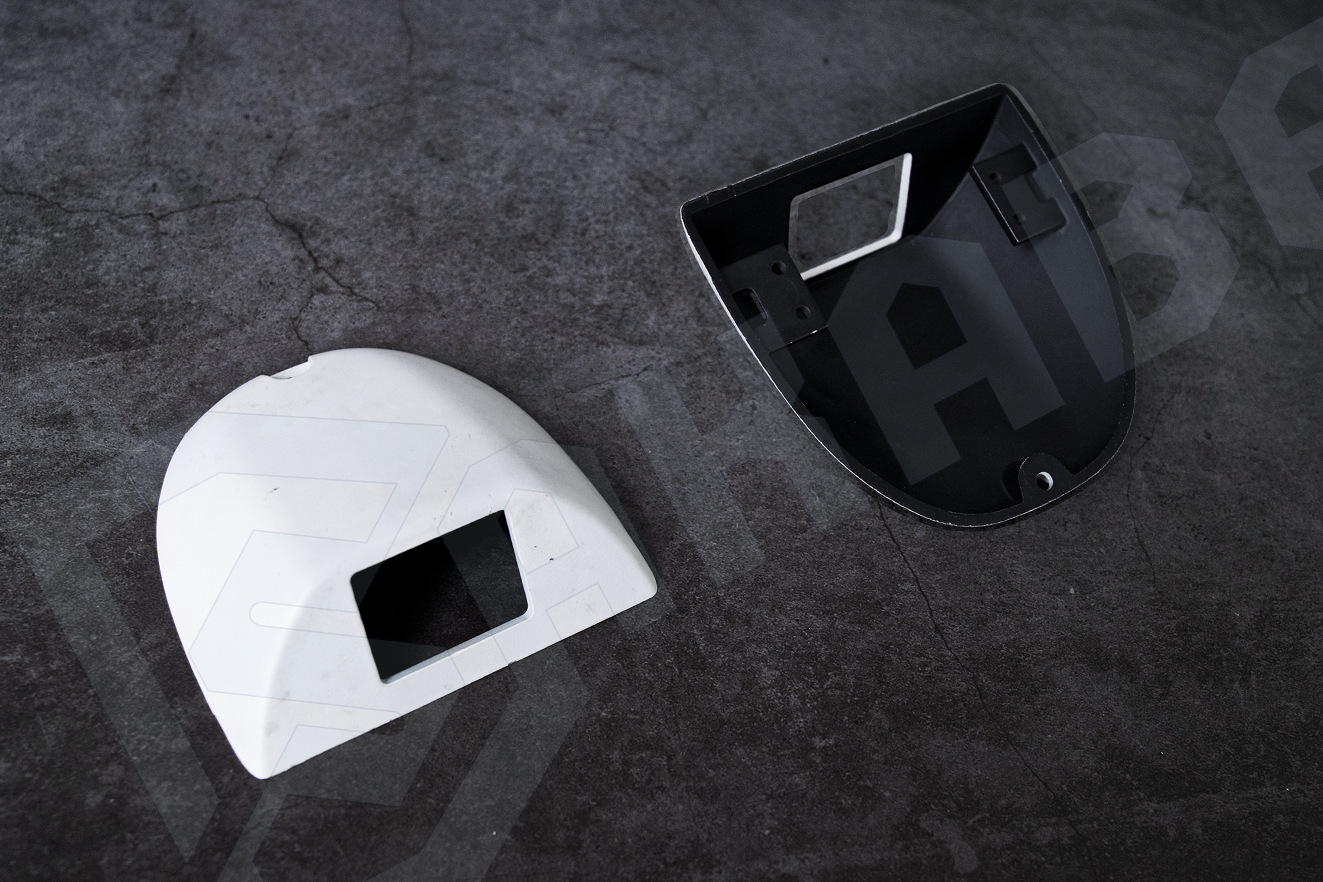
Dewax Casting for Sewing Machine Parts: Precision, Efficiency, and Cost-Effective Production
Dewax casting for sewing machine parts, also known as lost-wax casting, is a sophisticated manufacturing process that is especially beneficial in the production of sewing machine parts
2025/05/20

Understanding the Importance of Dewax Casting in Textile Machinery Manufacturing
Dewax casting for textile machinery parts, a crucial technique in the manufacturing of textile machinery, has garnered increased attention for its significant contribution to production efficiency and product quality
2025/05/15
CONTACT US
Tel: +86 136-5494-1611
E-mail: alexzheng@sakabe.cn
Office Address:
No.18 Dongbei Qi Street, Jinpu New Area, Dalian, Liaoning, China
Factory Address:
No.26 Fuan Street, Jinpu New Area, Dalian, Liaoning, China
