

Unlocking Efficiency: The Role of Wholesale Heat Treatment Tool Casting in Manufacturing
Table of Contents
- What is Heat Treatment Tool Casting?
- The Importance of Heat Treatment in Manufacturing
- Benefits of Wholesale Heat Treatment Tool Casting
- Key Techniques in Heat Treatment Tool Casting
- Choosing the Right Supplier for Heat Treatment Tool Casting
- Quality Control in the Heat Treatment Process
- Case Studies and Success Stories
- Future Trends in Heat Treatment Technology
- Frequently Asked Questions (FAQs)
What is Heat Treatment Tool Casting?
Heat treatment tool casting is a vital manufacturing process that enhances the properties of materials, particularly metals. It involves heating a metal component to a specific temperature, holding it there, and then cooling it in a controlled manner. This process can improve the strength, hardness, and durability of tools and components. In the manufacturing sector, **wholesale heat treatment tool casting** is essential for producing high-quality parts at scale, making it a critical component of modern production lines.
The Importance of Heat Treatment in Manufacturing
In the fast-paced world of manufacturing, efficiency and reliability are paramount. Heat treatment plays a pivotal role in ensuring that tools and components perform to the highest standards. By optimizing the mechanical properties of materials, manufacturers can reduce wear and tear, improve performance, and extend the lifecycle of their products.
Moreover, heat treatment can significantly reduce manufacturing costs by minimizing the need for repairs and replacements. Investing in heat treatment processes not only leads to superior products but also enhances overall operational efficiency.
Benefits of Wholesale Heat Treatment Tool Casting
Utilizing wholesale heat treatment tool casting offers various advantages that can transform manufacturing operations:
1. Enhanced Mechanical Properties
One of the primary benefits of heat treatment is the enhancement of mechanical properties such as tensile strength, hardness, and toughness. These improved characteristics are crucial for tools that undergo significant stress during operations.
2. Improved Wear Resistance
Heat treatment significantly increases wear resistance, which is essential for tools and components that are subjected to friction and abrasion. This leads to longer-lasting products, reducing downtime and maintenance costs.
3. Cost Efficiency
By investing in wholesale heat treatment tool casting, manufacturers can achieve economies of scale. Bulk processing enables lower costs per unit, allowing companies to remain competitive in the marketplace.
4. Customization Options
Wholesale suppliers often provide various heat treatment options tailored to meet specific industry needs. This flexibility allows manufacturers to select processes that align with their unique requirements, ensuring optimal performance.
5. Environmental Benefits
Modern heat treatment processes are increasingly focused on sustainability. Many manufacturers now adopt practices that minimize energy consumption and reduce waste, contributing to a greener production environment.
Key Techniques in Heat Treatment Tool Casting
Several heat treatment techniques are commonly employed in tool casting, each with distinct advantages and applications:
1. Annealing
Annealing involves heating the material to a specific temperature and then cooling it slowly. This process relieves internal stresses and improves ductility, making it ideal for tools that require malleability.
2. Quenching
Quenching is a rapid cooling process that hardens metal components. The material is heated to a high temperature and then quickly submerged in water, oil, or air to achieve desired hardness levels.
3. Tempering
Tempering is a secondary heat treatment that follows quenching. It reduces brittleness while maintaining hardness, making it suitable for tools that require a balance of strength and toughness.
4. Hardening
Hardening involves heating steel to a high temperature and then cooling it quickly. This process enhances the hardness and strength of the material, which is essential for high-performance tools.
Choosing the Right Supplier for Heat Treatment Tool Casting
When selecting a supplier for wholesale heat treatment tool casting, several factors must be considered:
1. Industry Experience
Opt for suppliers with extensive experience in the heat treatment industry. An established supplier is more likely to have the expertise to handle complex requirements and provide reliable services.
2. Quality Certifications
Ensure that the supplier adheres to quality standards and possesses relevant certifications. This guarantees that the heat treatment processes meet industry specifications and requirements.
3. Range of Services
Look for suppliers that offer a comprehensive range of heat treatment services. A versatile supplier can cater to various needs, making it easier to manage your supply chain.
4. Technological Advancements
Choose suppliers that utilize modern technology and equipment. Cutting-edge technology can enhance the quality of heat treatment and improve efficiency.
Quality Control in the Heat Treatment Process
Quality control is essential throughout the heat treatment process to ensure that the final products meet the required specifications:
1. Process Monitoring
Continuous monitoring of the heat treatment process helps identify any deviations from the set parameters. This proactive approach minimizes the risk of defects in the final products.
2. Material Testing
Regular testing of materials ensures that they meet the necessary mechanical properties. Techniques such as hardness testing, tensile testing, and microstructural analysis are commonly employed.
3. Documentation and Traceability
Maintaining thorough documentation of the heat treatment process allows for traceability in case of quality issues. This transparency builds trust between manufacturers and their suppliers.
Case Studies and Success Stories
Several manufacturers have successfully implemented wholesale heat treatment tool casting to enhance their operations:
1. Automotive Industry
An automotive supplier adopted heat treatment processes to improve the durability of engine components. By implementing quenching and tempering techniques, they achieved a 30% increase in component lifespan, significantly reducing warranty claims.
2. Aerospace Sector
Aerospace manufacturers utilized advanced heat treatment techniques to meet stringent safety standards for aircraft components. By investing in customized heat treatment solutions, they improved performance and reliability, leading to greater customer satisfaction.
Future Trends in Heat Treatment Technology
The heat treatment landscape is evolving, driven by technological advancements and changing industry needs:
1. Automation and Smart Manufacturing
The integration of automation in heat treatment processes enhances efficiency and consistency. Smart manufacturing practices enable real-time monitoring and data analytics, optimizing production workflows.
2. Sustainable Practices
As environmental concerns grow, the heat treatment industry is increasingly adopting sustainable practices. This includes energy-efficient technologies and recycling of materials, contributing to greener manufacturing.
3. Advanced Materials
The development of advanced materials, such as composite materials and high-performance alloys, will necessitate innovative heat treatment techniques. As these materials gain popularity, the industry must adapt to meet new demands.
Frequently Asked Questions (FAQs)
1. What is the purpose of heat treatment in manufacturing?
Heat treatment improves the mechanical properties of materials, enhancing tools' strength, hardness, and wear resistance, which is crucial for efficient manufacturing processes.
2. How does heat treatment affect tool performance?
By optimizing the mechanical properties through various heat treatment techniques, tools can perform better, last longer, and require less maintenance.
3. What are the common heat treatment methods used in manufacturing?
Common heat treatment methods include annealing, quenching, tempering, and hardening, each tailored for specific material requirements and performance goals.
4. How do I choose the right heat treatment supplier?
Consider factors such as industry experience, quality certifications, range of services, and technological capabilities to select a reliable heat treatment supplier.
5. What are the benefits of using wholesale heat treatment services?
Wholesale heat treatment services offer cost efficiencies, enhanced mechanical properties, customization options, and improved environmental sustainability in manufacturing processes.
Conclusion
Wholesale heat treatment tool casting plays a critical role in modern manufacturing by optimizing the mechanical properties of materials, reducing costs, and enhancing product performance. By understanding the various heat treatment techniques and choosing the right suppliers, manufacturers can unlock significant efficiencies within their production processes. As the industry continues to evolve with new technologies and sustainable practices, embracing heat treatment will be essential for staying competitive in the market. Investing in heat treatment not only enhances the quality of tools and components but also contributes to the overall success of manufacturing operations.


Development prospects of investment casting
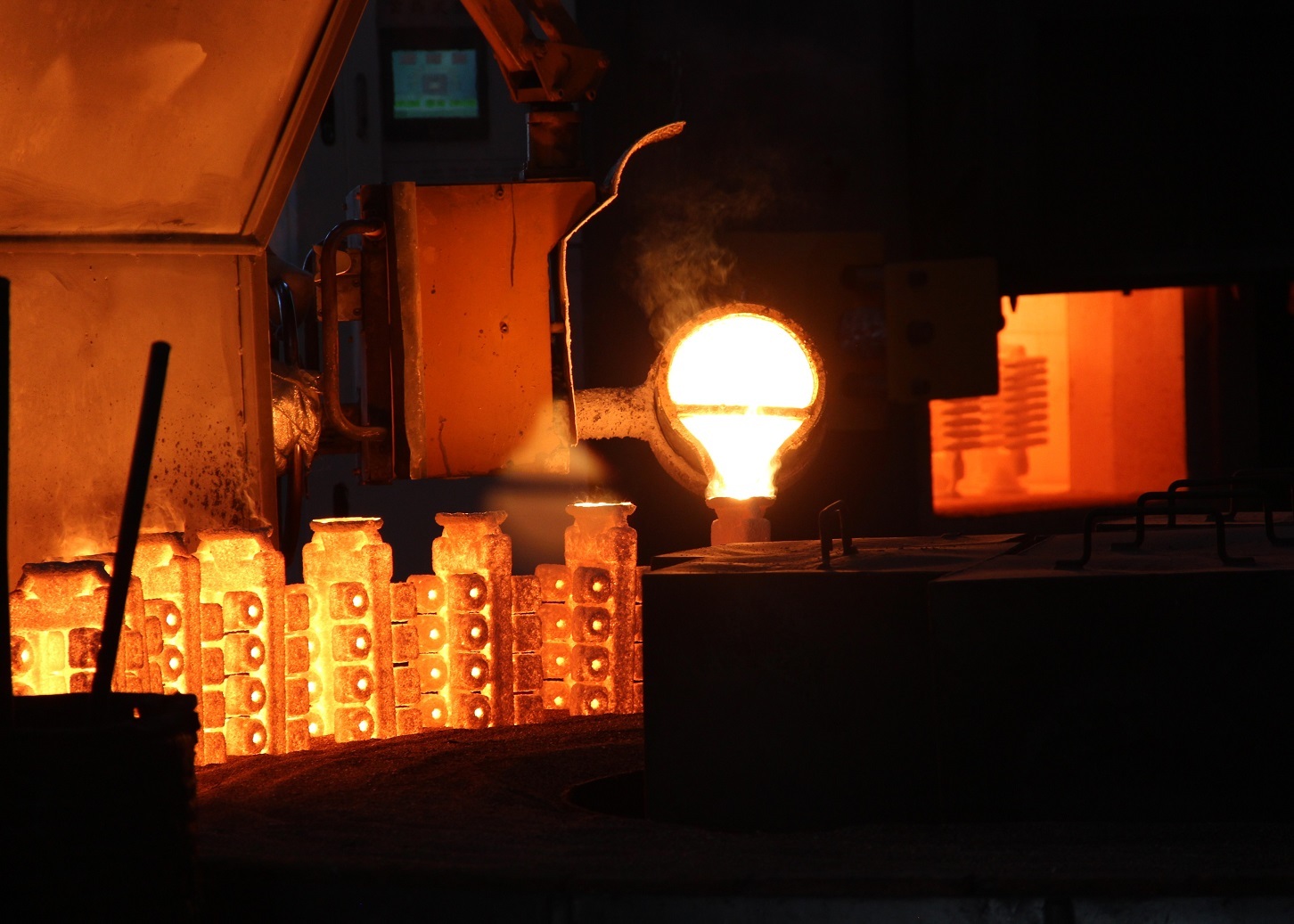
The products obtained by investment casting are precise and complex, close to the final shape of the parts, and can be directly used without or with little machining. It is an advanced technology for near net formation and an excellent process technology in the casting industry, with a wide range of applications. It is suitable for casting various types of alloys, and the produced castings have higher dimensional accuracy and surface quality than other casting methods. Even complex, high-temperature resistant, and difficult to process castings can be cast using investment casting precision casting.
2024/10/08
CONTACT US
Tel: +86 136-5494-1611
E-mail: alexzheng@sakabe.cn
Office Address:
No.18 Dongbei Qi Street, Jinpu New Area, Dalian, Liaoning, China
Factory Address:
No.26 Fuan Street, Jinpu New Area, Dalian, Liaoning, China
