


Dewax casting, also known as lost-wax casting, is an essential manufacturing process widely utilized in producing intricate metal parts, particularly in the medical equipment sector. This technique involves creating a wax model of the desired component, which is then encased in a ceramic shell. Once the shell hardens, heat is applied to melt away the wax, leaving a cavity in the shape of the model. Molten metal is then poured into this cavity, allowing for the precise reproduction of complex geometries that are often required for medical devices.
One primary advantage of dewax casting in the medical industry is its ability to produce highly detailed and accurate components. Medical equipment often requires parts with intricate designs, such as those found in surgical instruments or components of diagnostic machines. The precision of dewax casting ensures that these parts meet stringent regulatory standards and perform reliably in critical applications.
Moreover, China has emerged as a significant player in the dewax casting industry, leveraging advanced technologies and skilled craftsmanship. The country’s manufacturing sector has undergone substantial modernization, incorporating state-of-the-art techniques that enhance production efficiency and quality control. By choosing China for dewax casting, companies can benefit from cost-effective solutions without compromising on the quality and precision essential for medical applications.
In addition to precision, dewax casting offers versatility in material selection. Common materials used in dewax casting include stainless steel, bronze, and various alloys, which are critical when producing parts that must withstand rigorous sterilization processes or harsh operational environments. This adaptability allows manufacturers to tailor their production to meet specific requirements, ensuring that the final products are not only functional but also durable.
Sustainability is another key consideration for today's manufacturers, and dewax casting aligns well with modern eco-friendly practices. The process minimizes waste, as the wax used in the initial phase can often be reclaimed and reused, contributing to a more sustainable manufacturing cycle. Additionally, the ability to produce complex shapes reduces the need for secondary machining processes, further lowering the environmental impact.
In conclusion, the dewax casting process stands out as a vital technology in the manufacturing of medical equipment parts. With its high level of precision, material versatility, and sustainability aspects, businesses in the mechanical and hardware processing industries should consider leveraging this technique to enhance their product offerings. As China continues to advance in this domain, collaboration with Chinese manufacturers can provide the quality and efficiency needed to stay competitive in the global market.
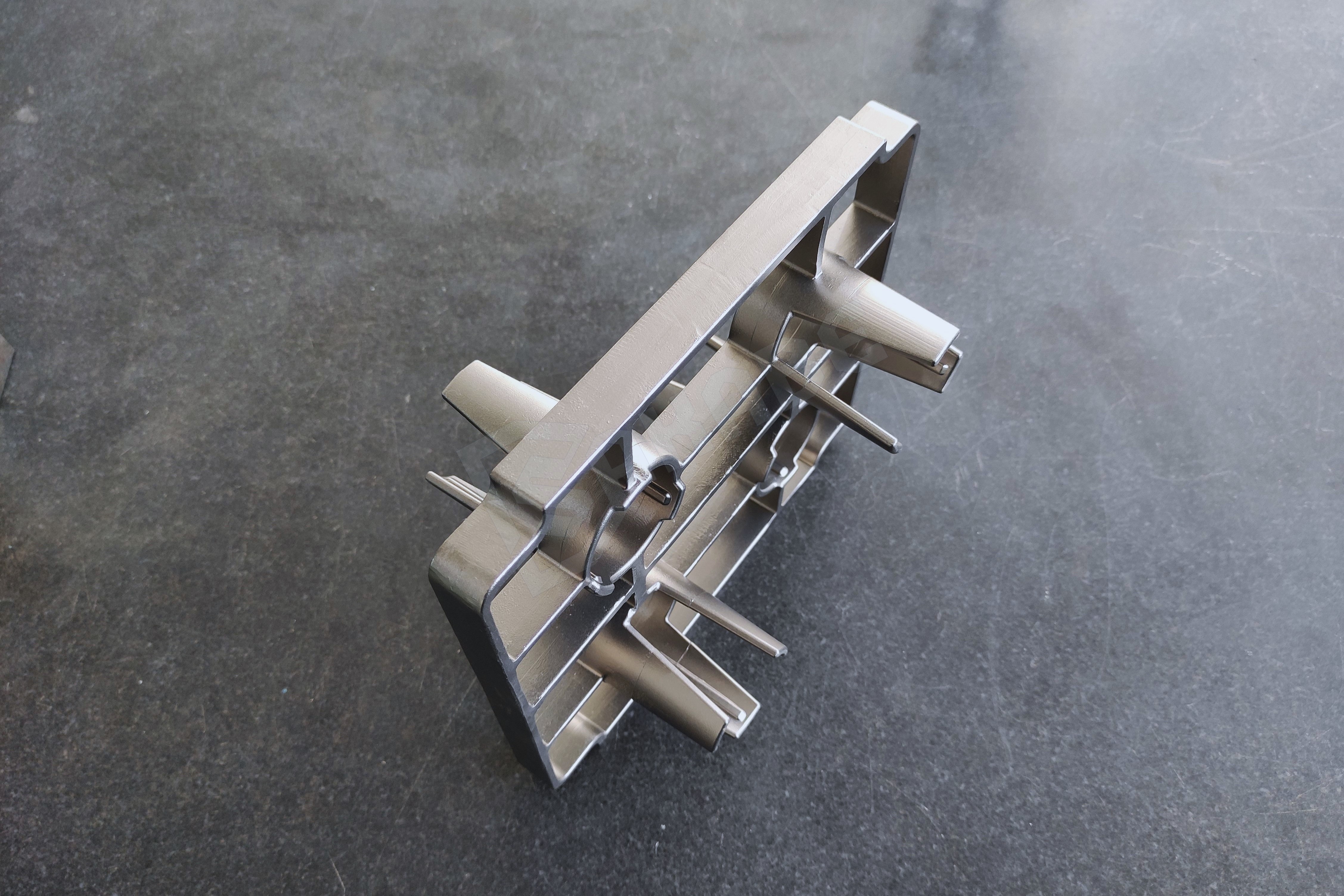
Enhancing Food Machinery with Durable Precision Machining Solutions
Durable Precision machining of food machinery accessories plays an integral role in the food machinery sector by ensuring that equipment is produced with the highest standards of accuracy and reliability
2025/07/23

Unlocking Efficiency: Advanced Precision Casting Techniques in Food Machinery
Advanced precision casting techniques are transforming the landscape of food machinery manufacturing. Their ability to enhance efficiency, quality, and sustainability positions them as a critical factor in the industry’s future
2025/07/23
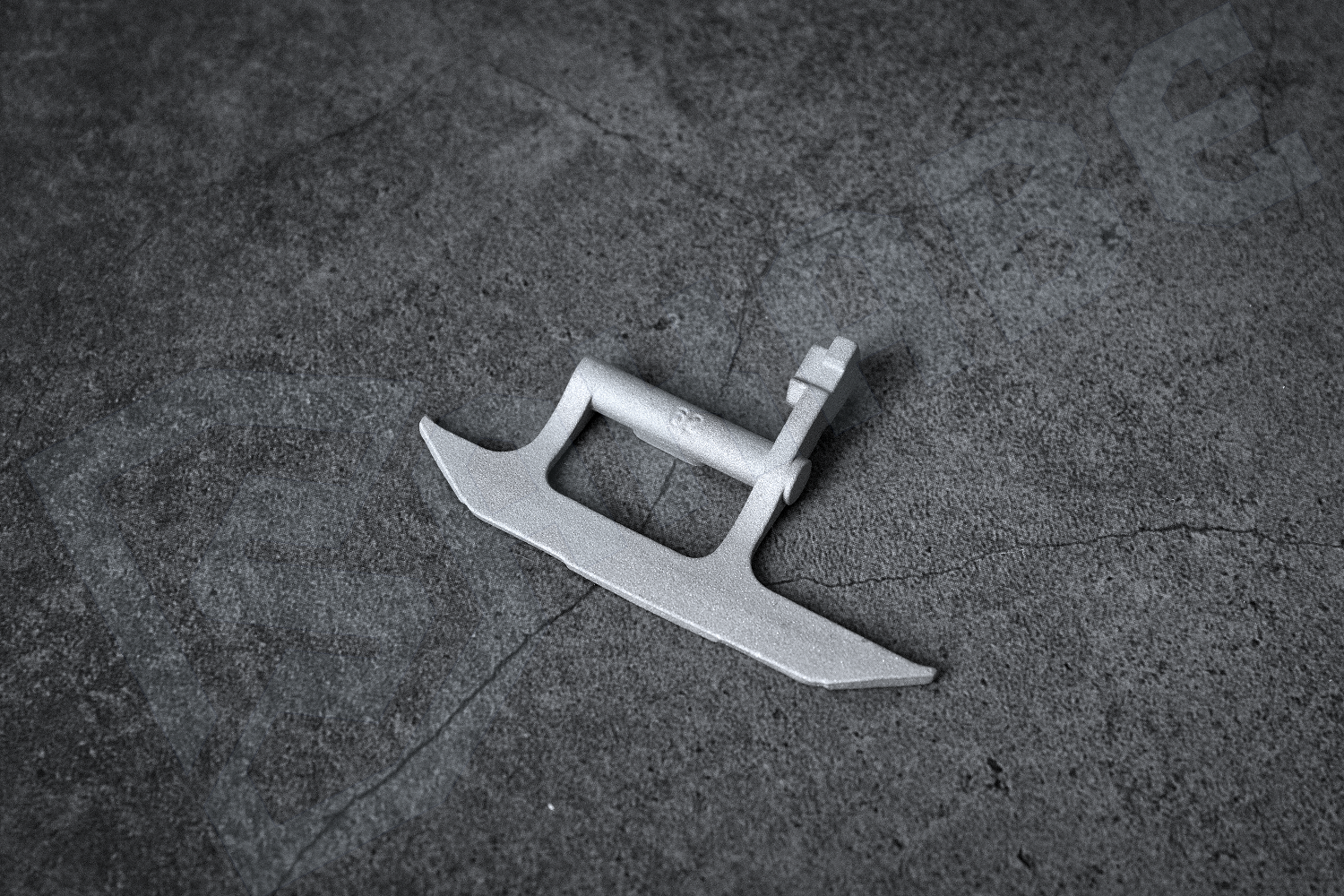
Enhancing Textile Machinery Efficiency through Quality Precision Casting
Quality precision casting is a cornerstone of effective textile machinery manufacturing. By leveraging advanced casting techniques, selecting appropriate materials, and maintaining rigorous quality checks, manufacturers can produce reliable, high-performance machinery components
2025/07/23

Unlocking Efficiency: The Best Casting Techniques for Heat Treatment Material Trays
Optimizing casting techniques for heat treatment material trays is essential for achieving efficiency and quality in manufacturing
2025/07/23
CONTACT US
Tel: +86 136-5494-1611
E-mail: alexzheng@sakabe.cn
Office Address:
No.18 Dongbei Qi Street, Jinpu New Area, Dalian, Liaoning, China
Factory Address:
No.26 Fuan Street, Jinpu New Area, Dalian, Liaoning, China
