


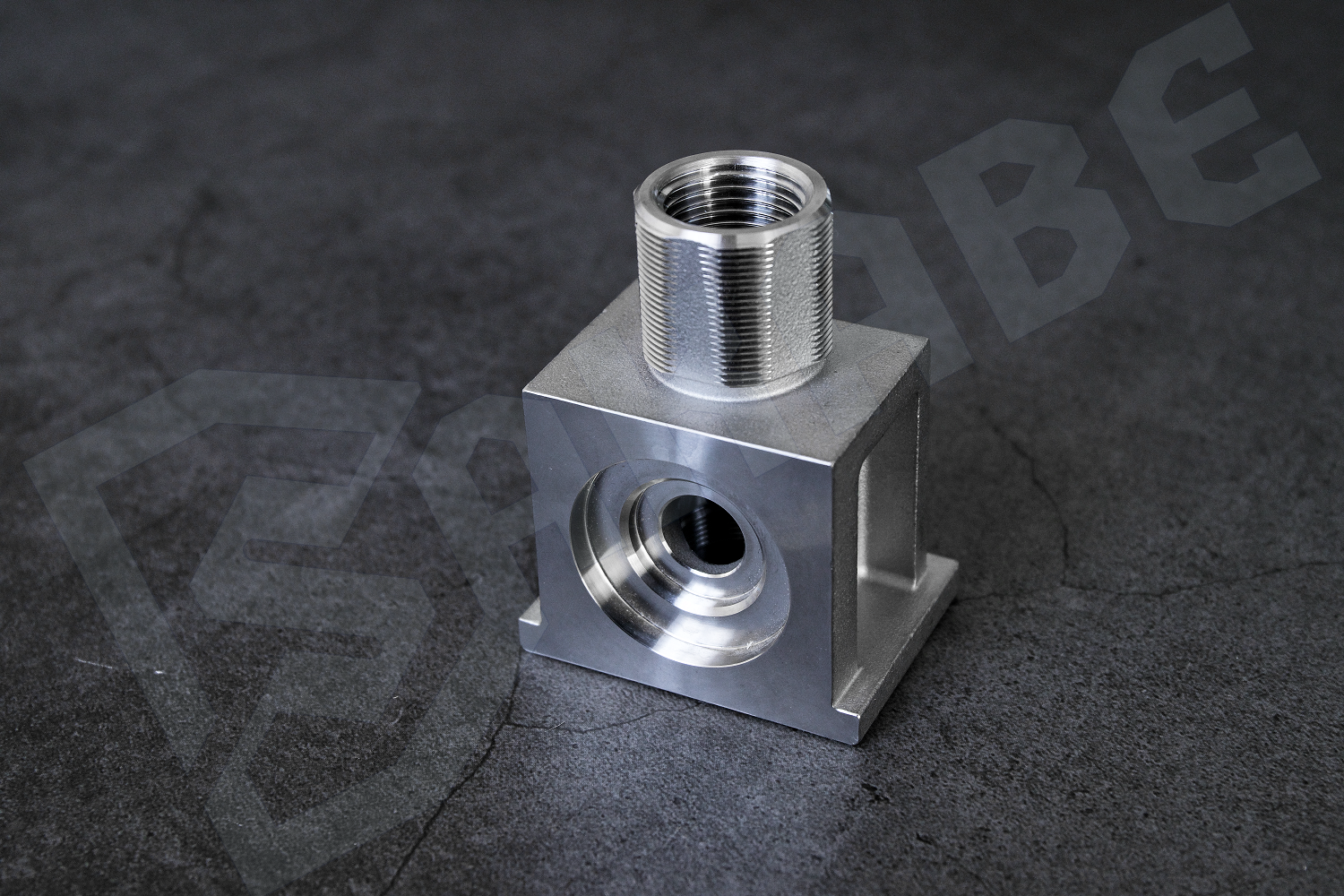
One of the primary advantages of investment casting is its ability to create intricate shapes and fine details that are often impossible to achieve through traditional manufacturing methods. This capability is particularly beneficial for flowmeter parts, which may require complex geometries to ensure optimal fluid dynamics. As a result, manufacturers can produce more efficient and accurate flowmeters, leading to improved measurement precision.
Moreover, the investment casting process allows for the use of a wide variety of materials, including stainless steel, aluminum, and other alloys. This flexibility in material selection enables engineers to choose the most suitable option based on the specific requirements of the flowmeter application. For instance, corrosion-resistant materials are essential for flowmeters used in harsh environments, while lightweight alloys can be advantageous in portable applications.
Another significant trend in the newest investment casting technologies is the integration of advanced computer-aided design (CAD) and simulation software. These tools enable manufacturers to optimize the design and production process, reducing lead times and minimizing material waste. By simulating the casting process, engineers can identify potential issues before they occur, resulting in higher-quality parts and more efficient production cycles.
Additionally, modern investment casting techniques often incorporate process automation and robotics, further enhancing efficiency and consistency. Automated systems can handle tasks such as mold preparation, pouring, and finishing, reducing the risk of human error and ensuring uniformity in the final products. This level of precision is crucial for flowmeter components, where even minor variations can lead to significant discrepancies in performance.
Lastly, sustainability is becoming an increasingly important aspect of manufacturing. New investment casting processes often emphasize reducing waste and energy consumption, aligning with global efforts to promote eco-friendly practices. By utilizing recyclable materials and optimizing production methods, manufacturers can contribute to a more sustainable future while still delivering high-quality flowmeter parts.
In summary, the newest investment casting innovations for flowmeter parts are transforming the manufacturing landscape. By leveraging advanced technology, materials, and processes, manufacturers can create components that enhance the accuracy, reliability, and efficiency of flow measurement systems. As industries continue to evolve, these advancements will play a vital role in meeting the growing demand for high-performance flowmeters.

Enhancing Precision and Efficiency: Dewax Casting for Beverage Machinery Parts
Dewax casting plays an essential role in the manufacturing of beverage machinery parts, providing a method that emphasizes precision, efficiency, and durability
2025/05/20
Introduction to Dewax Casting in Food Machinery Components
Dewax casting is an essential manufacturing process that significantly enhances the production of **food machinery components**. Its ability to create precise, intricate designs while ensuring durability makes it a favored choice in the food industry
2025/05/20
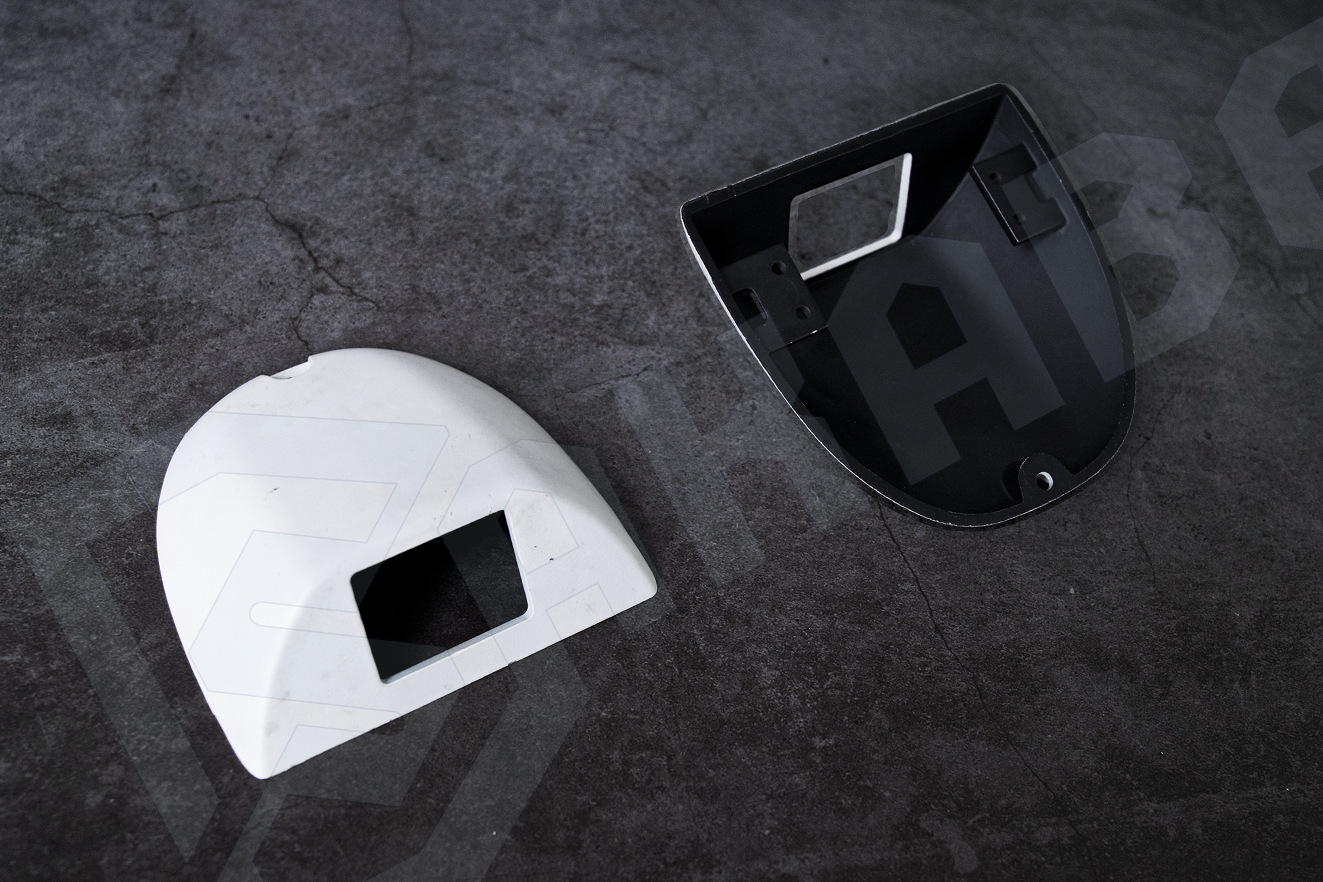
Dewax Casting for Sewing Machine Parts: Precision, Efficiency, and Cost-Effective Production
Dewax casting for sewing machine parts, also known as lost-wax casting, is a sophisticated manufacturing process that is especially beneficial in the production of sewing machine parts
2025/05/20

Understanding the Importance of Dewax Casting in Textile Machinery Manufacturing
Dewax casting for textile machinery parts, a crucial technique in the manufacturing of textile machinery, has garnered increased attention for its significant contribution to production efficiency and product quality
2025/05/15
CONTACT US
Tel: +86 136-5494-1611
E-mail: alexzheng@sakabe.cn
Office Address:
No.18 Dongbei Qi Street, Jinpu New Area, Dalian, Liaoning, China
Factory Address:
No.26 Fuan Street, Jinpu New Area, Dalian, Liaoning, China
