


Innovative Techniques in Creating the Newest Die Casting Wax Mold for Flowmeter Housing
Table of Contents
- 1. Introduction to Die Casting and Its Importance
- 2. Understanding Flowmeter Housing and Its Requirements
- 3. Key Components of Die Casting Wax Molds
- 4. Innovative Design Techniques in Wax Mold Creation
- 5. Advanced Materials for Enhanced Performance
- 6. Manufacturing Processes of Die Casting Wax Molds
- 7. Quality Control Measures in Die Casting
- 8. Future Trends in Die Casting Technology
- 9. Conclusion
- 10. Frequently Asked Questions
1. Introduction to Die Casting and Its Importance
Die casting is a manufacturing process that involves forcing molten metal under high pressure into a mold cavity. This technique allows for the production of complex shapes with high dimensional accuracy and a superior surface finish. In the context of flowmeter housing, the precision and durability of the components are crucial, as they directly impact the performance and reliability of fluid measurement in various industrial applications.
The importance of innovative techniques in die casting cannot be overstated. As industries evolve and the demand for more efficient and accurate flow measurement increases, the need for advanced die casting wax molds becomes apparent. This article aims to explore the newest methods and technologies in die casting wax mold creation specifically for flowmeter housing.
2. Understanding Flowmeter Housing and Its Requirements
Flowmeter housing serves as a protective shell for the internal components that measure the flow rate of liquids or gases. The design of flowmeter housing must accommodate various factors such as pressure, temperature, and the chemical properties of the fluid being measured.
To achieve optimal performance, flowmeter housing should be designed for:
- **Durability:** Capable of withstanding harsh environments and mechanical stresses.
- **Corrosion Resistance:** Materials must resist degradation from the fluids being measured.
- **Precision:** Ensuring accurate measurement requires tight tolerances in design and manufacturing.
Understanding these requirements is essential for creating effective die casting wax molds that meet industry standards.
3. Key Components of Die Casting Wax Molds
The design of die casting wax molds consists of several critical components that contribute to the performance and efficiency of the mold. These components include:
- **Cavity Design:** The mold cavity must accurately represent the final product. Advanced CAD software is often utilized to create intricate designs that fulfill specific requirements.
- **Cooling Channels:** Efficient cooling systems are necessary to control the temperature of the molten metal and ensure even solidification.
- **Venting Systems:** Proper venting allows gases to escape during the injection of molten metal, preventing defects in the final product.
- **Mold Materials:** The selection of mold materials affects the longevity and performance of the mold. High-temperature alloys are often used for their durability and heat resistance.
4. Innovative Design Techniques in Wax Mold Creation
Innovation in die casting wax mold design has led to various techniques that enhance efficiency and precision. Key techniques include:
- **Topology Optimization:** Using algorithms to minimize material usage while maintaining structural integrity, leading to lighter and more efficient molds.
- **3D Printing:** Implementing additive manufacturing to produce complex mold designs rapidly, allowing for faster prototyping and modifications.
- **Simulation Software:** Utilizing advanced software to simulate the flow of molten metal within the mold, optimizing design for better performance and reduced cycle times.
- **Hybrid Molding Techniques:** Combining traditional molding with modern techniques, such as inserting additional materials within the mold to improve strength and functionality.
These innovative design techniques significantly improve the overall performance of die casting molds for flowmeter housing.
5. Advanced Materials for Enhanced Performance
The choice of materials used in die casting wax molds plays a pivotal role in the quality and longevity of the mold. Advanced materials used include:
- **High-Strength Alloys:** These materials offer excellent mechanical properties and can withstand high temperatures encountered during the casting process.
- **Ceramic Composites:** Known for their low thermal expansion and high resistance to wear, ceramic materials can enhance the mold's durability.
- **Thermoplastics:** Used in specific applications for their versatility and ease of manufacturing, thermoplastics can be advantageous in lightweight mold designs.
- **Nanomaterials:** Incorporating nanotechnology into mold materials can improve strength, thermal stability, and resistance to corrosion.
Selecting the right combination of materials is crucial for achieving optimal mold performance in die casting applications.
6. Manufacturing Processes of Die Casting Wax Molds
The manufacturing process of die casting wax molds involves several stages that require precision and attention to detail. Key steps include:
- **Wax Pattern Creation:** The first step involves creating a wax pattern, which serves as the basis for the mold. This can be done using traditional methods or advanced 3D printing techniques.
- **Mold Assembly:** Once the wax pattern is prepared, the next step is assembling the mold components, including cavity and core inserts.
- **Mold Injection:** The molten metal is injected into the mold cavity under high pressure. The use of robotic systems can enhance accuracy and reduce cycle times.
- **Cooling and Removal:** After the metal solidifies, the mold is cooled, and the finished part is removed. Efficient cooling channels are essential for minimizing cycle times.
Each stage of the manufacturing process must be executed with precision to ensure high-quality results.
7. Quality Control Measures in Die Casting
Implementing rigorous quality control measures is vital in the die casting process to ensure that the final products meet industry standards. Some key quality control measures include:
- **Dimensional Inspection:** Regular measurements are taken to ensure that the components adhere to specified tolerances.
- **Non-Destructive Testing (NDT):** Techniques such as X-ray or ultrasonic testing are employed to detect internal defects without damaging the components.
- **Visual Inspection:** A thorough visual assessment to identify surface defects, ensuring that the aesthetic requirements are met.
- **Material Testing:** Conducting tests on the materials used to ensure they possess the necessary mechanical properties and performance characteristics.
Maintaining strict quality control measures not only enhances product performance but also helps in building trust with clients.
8. Future Trends in Die Casting Technology
The die casting industry is constantly evolving, with several future trends poised to shape its trajectory:
- **Automation and Robotics:** The integration of automation in die casting processes will increase efficiency and reduce labor costs.
- **Smart Manufacturing:** Utilizing IoT and data analytics will allow for real-time monitoring and optimization of die casting processes.
- **Sustainable Practices:** There is a growing emphasis on adopting eco-friendly materials and processes to reduce the environmental impact of die casting.
These trends will not only enhance manufacturing efficiency but also contribute to the development of more sustainable practices within the industry.
9. Conclusion
The creation of die casting wax molds for flowmeter housing requires a blend of innovative techniques, advanced materials, and meticulous manufacturing processes. As industries demand higher precision and efficiency, the die casting sector must continue to adapt and innovate. By embracing new technologies and practices, manufacturers can ensure the production of high-quality flowmeter housing that meets the evolving needs of the market.
10. Frequently Asked Questions
1. What are the primary advantages of using die casting for flowmeter housing?
The primary advantages include high dimensional accuracy, superior surface finish, and the ability to produce complex shapes efficiently.
2. How does the choice of materials affect the die casting process?
The materials chosen influence the mold's durability, thermal resistance, and overall performance, impacting the quality of the final product.
3. What is the role of simulation software in die casting?
Simulation software allows manufacturers to model the flow of molten metal, optimizing the mold design for better performance and reduced defects.
4. How can automation improve the die casting process?
Automation can enhance efficiency by reducing cycle times, minimizing human error, and ensuring consistent quality in production.
5. What trends are emerging in the die casting industry?
Emerging trends include increased automation, smart manufacturing, and a focus on sustainable practices to minimize environmental impact.
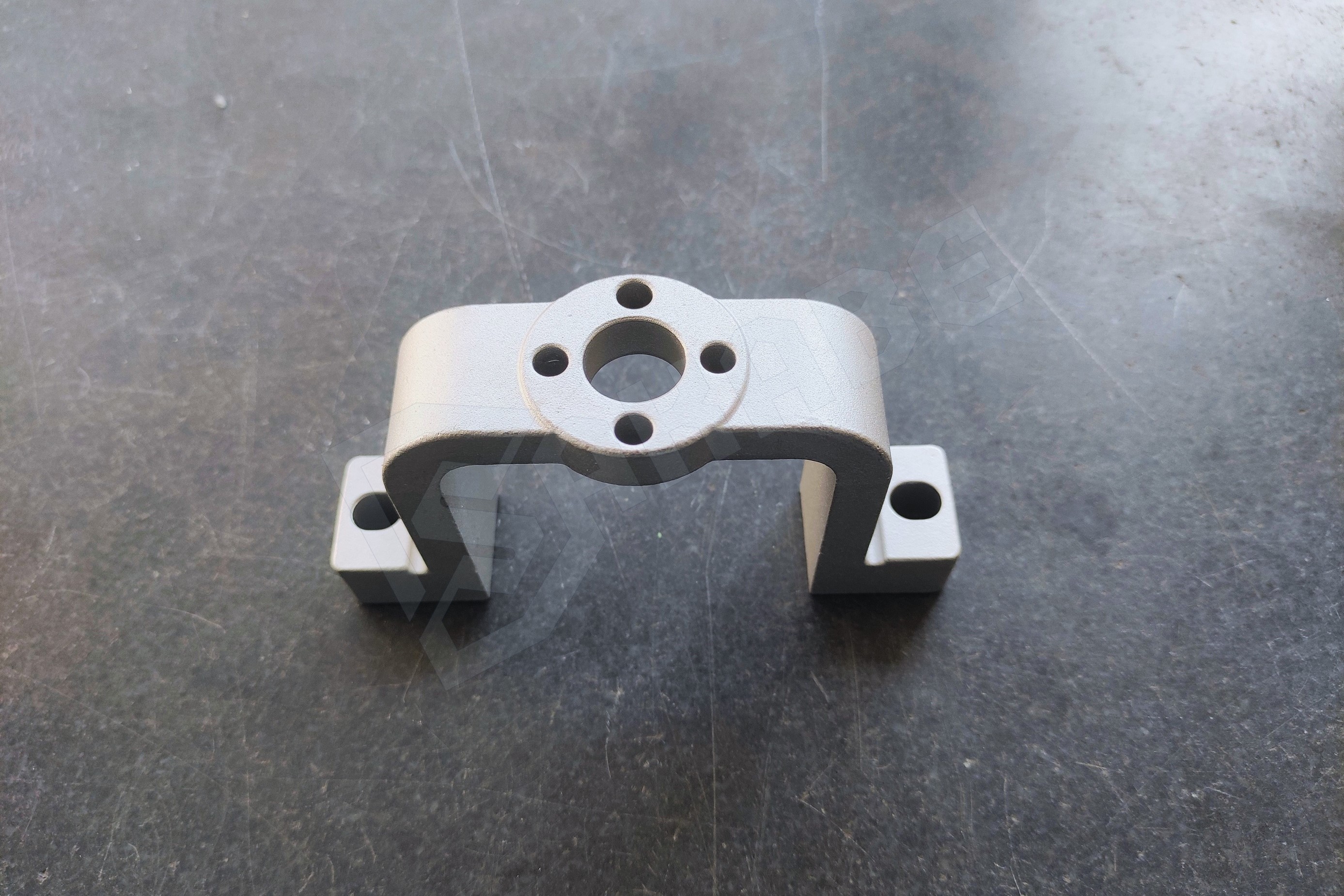
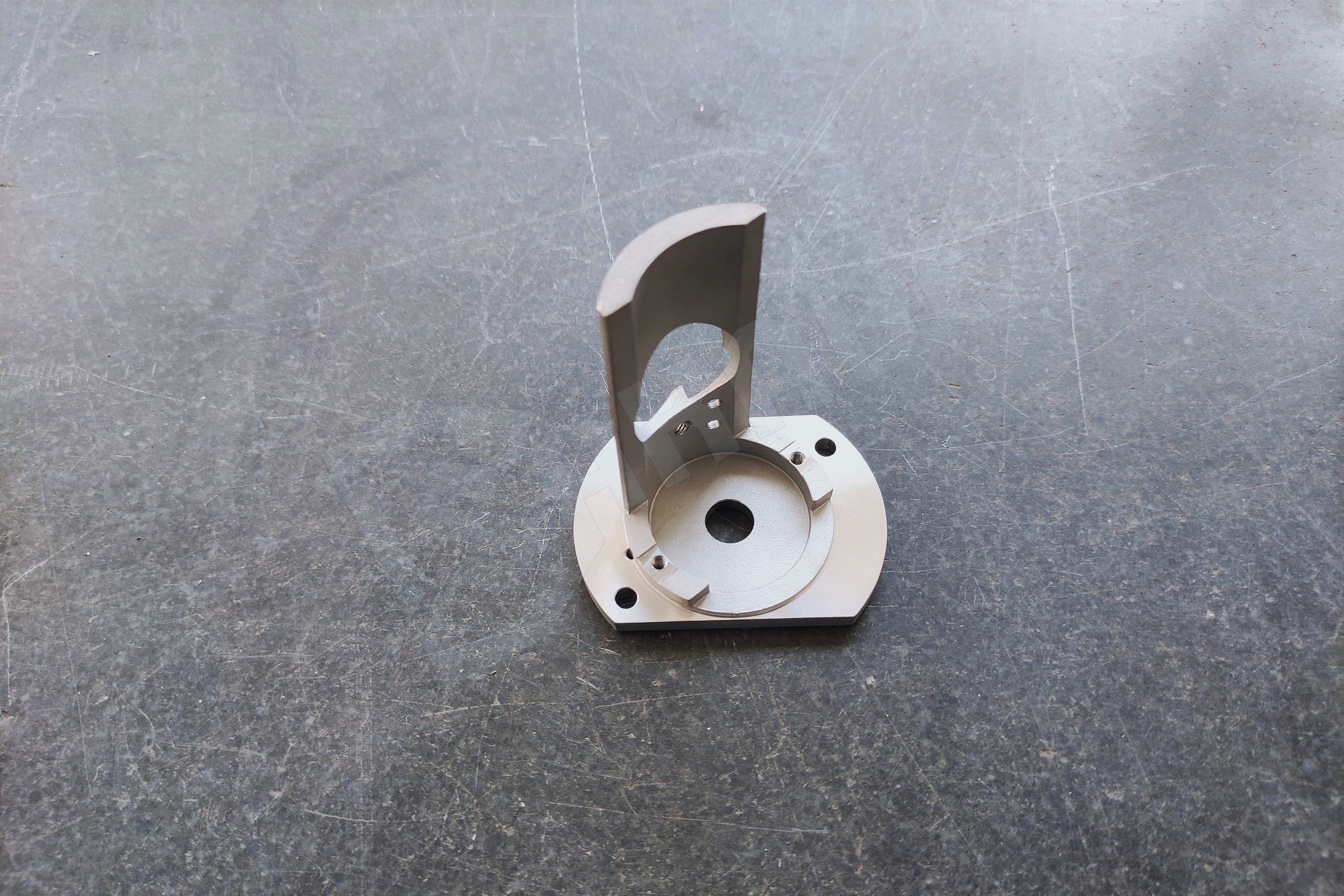
Exploring the Advantages of Precision Casting in Heat Treatment Processes
Precision casting for heat treatment plays a critical role in optimizing heat treatment processes, offering a multitude of benefits that enhance both efficiency and product quality
2024/10/23
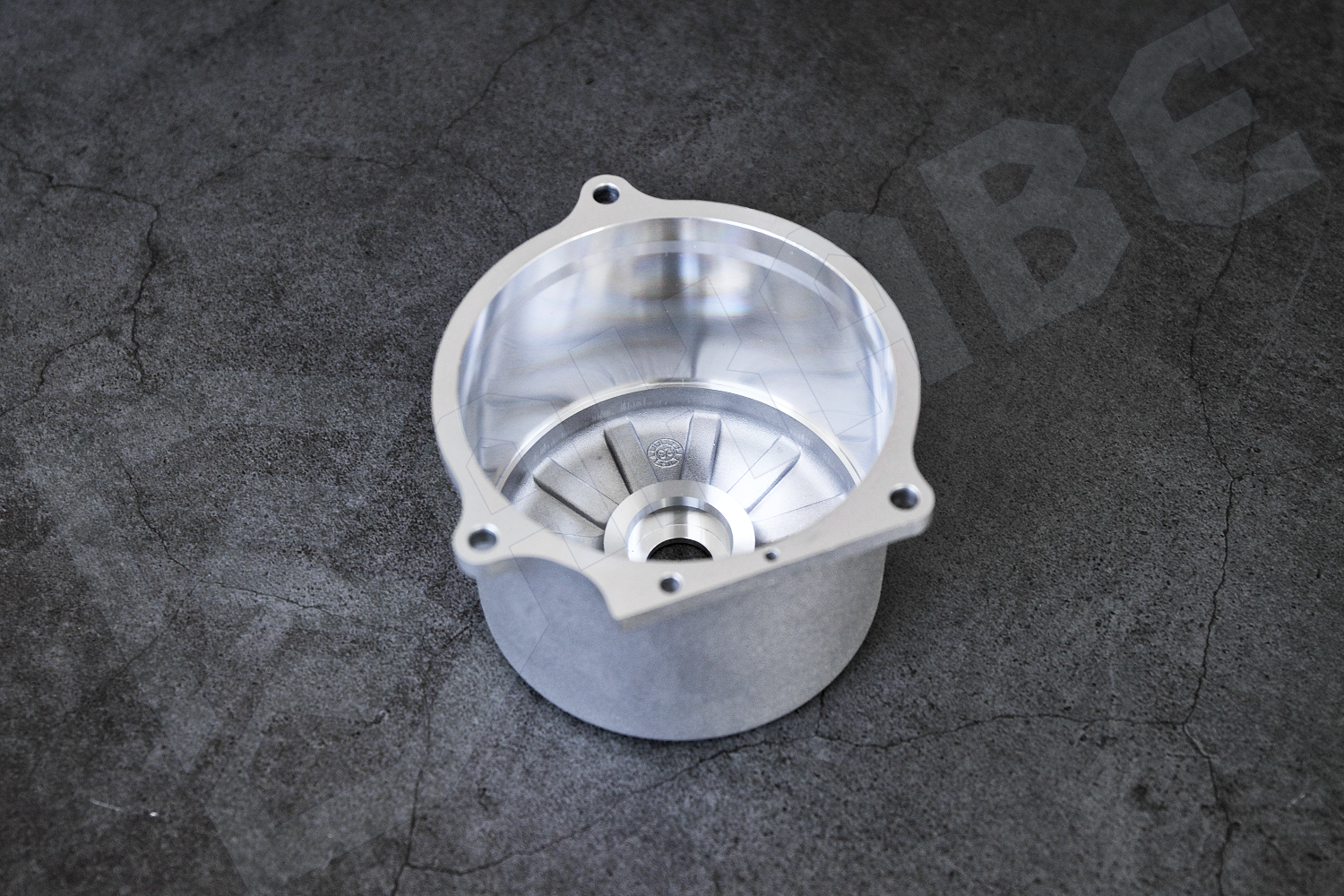
Heat Treatment Accessories in Precision Casting: Enhancing Quality and Efficiency
Heat treatment accessories Precision casting play a pivotal role in the precision casting process, ensuring that the final products meet stringent quality standards
2024/10/22
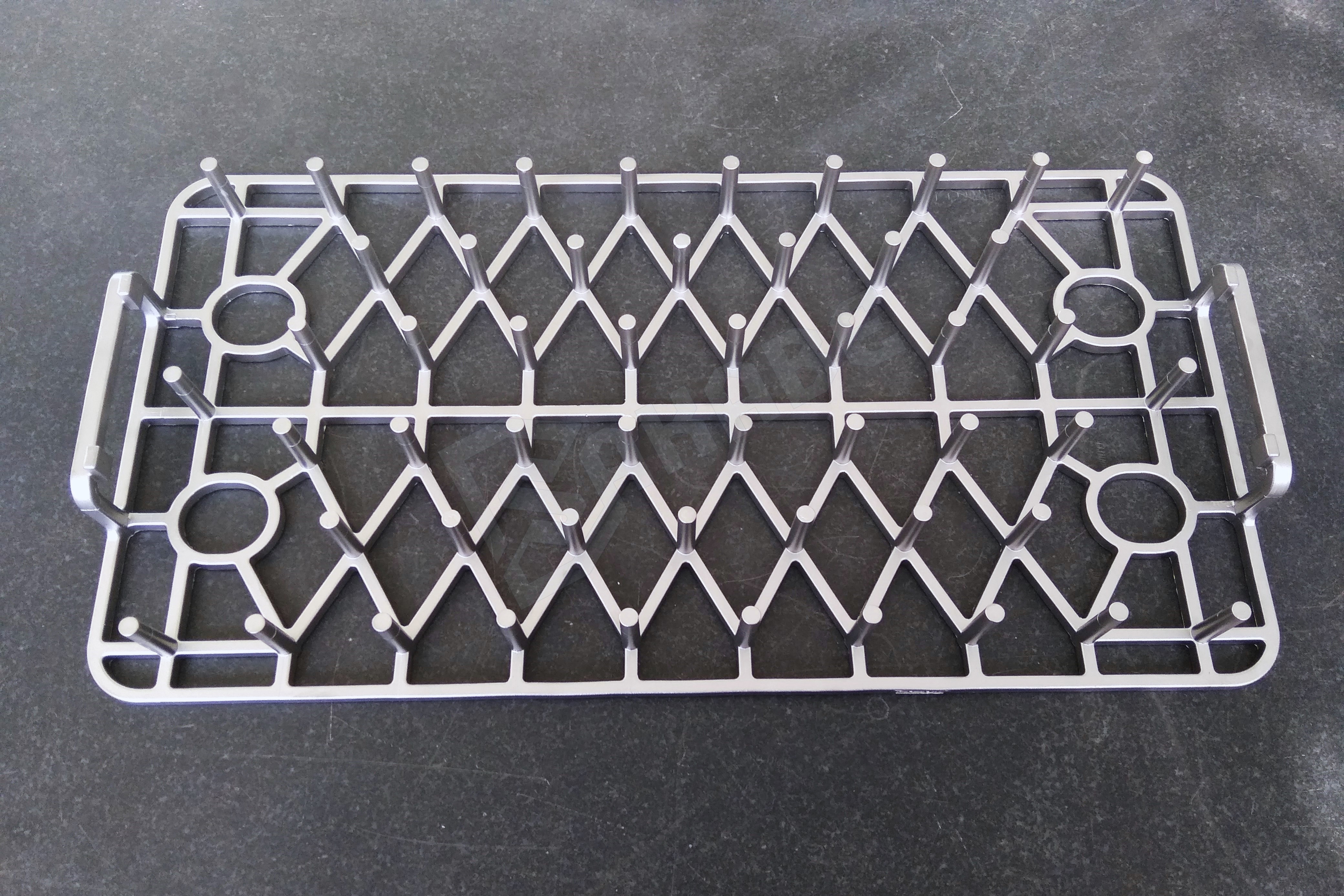
Heat Treatment Tool Material Tray Frame Design: Best Practices for Efficiency
Designing efficient heat treatment tool material tray frames is essential for enhancing productivity and ensuring the quality of the heat treatment process
2024/10/23
CONTACT US
Tel: +86 136-5494-1611
E-mail: alexzheng@sakabe.cn
Office Address:
No.18 Dongbei Qi Street, Jinpu New Area, Dalian, Liaoning, China
Factory Address:
No.26 Fuan Street, Jinpu New Area, Dalian, Liaoning, China
