

One of the primary advantages of investment casting for flowmeter housing is its ability to produce intricate geometries. Flowmeters often require precise designs to ensure accurate measurement and control of fluid flow. The investment casting process allows for the creation of complex channels and shapes that cannot be easily achieved through traditional machining methods. This capability not only enhances functionality but also contributes to the overall efficiency of the flowmeter.
Material selection is another crucial factor when considering the best investment casting for flowmeter housing. Common materials used in investment casting for this application include stainless steel and brass, both of which offer excellent corrosion resistance and mechanical strength. These materials are well-suited for environments where exposure to various fluids is common, ensuring longevity and reliability in performance.
Additionally, the surface finish achieved through investment casting can significantly affect the performance of flowmeters. A smooth surface finish reduces turbulence, which can lead to more accurate flow measurements. It is important to collaborate with skilled foundries that understand the specific requirements for flowmeter housing to ensure that the final product meets industry standards and performance metrics.
Furthermore, the investment casting process is highly scalable, making it an excellent choice for both small batches and large-scale production runs. This flexibility allows manufacturers to adapt to varying market demands without compromising on quality or precision. It is essential to work closely with a foundry that specializes in investment casting for flowmeters to leverage their expertise in optimizing the process for your specific needs.
In summary, the best investment casting for flowmeter housing hinges on factors such as design precision, material selection, and surface finish. By understanding these key considerations, manufacturers in the mechanical processing and casting industry can enhance the performance and efficiency of their flowmeter products, ultimately leading to improved customer satisfaction and competitiveness in the market.
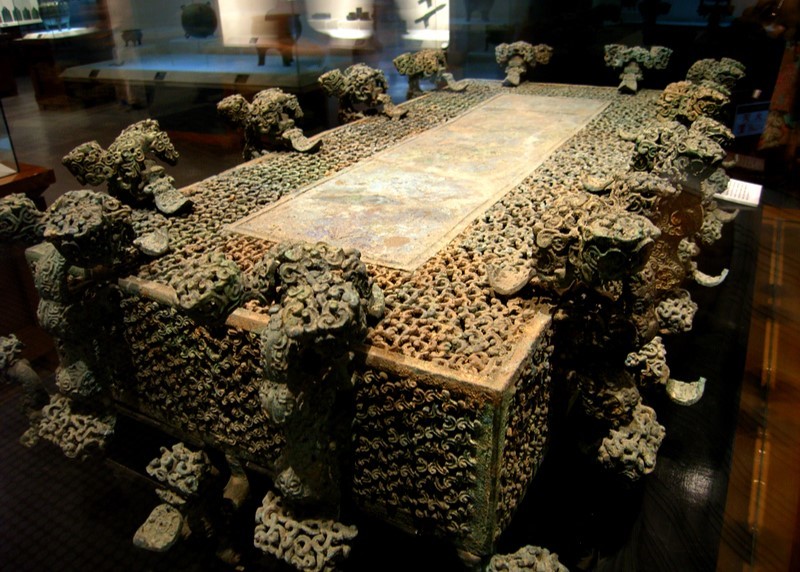
Introduction to investment casting manufacturing technique
Investment casting, also known as wax loss casting, is a long-standing metal forming process. The copper ban during the Spring and Autumn period in China was the earliest known lost wax casting method. The first step is to make a mold, using the mold to inject liquid wax into the mold to form a wax mold. Then, the wax mold is pasted into a pouring system according to the casting process, and the entire pouring system is made into a silica sol shell. After dewaxing, the entire shell becomes a cavity, and the cavity shell can be poured with molten steel after calcination. After cooling, the steel material product is formed. Subsequently, through processes such as cutting and grinding, sandblasting, heat treatment, correction, welding repair, electroplating, and machining, the cast products required by the customer are formed.
2024/10/08

Dalian is a beautiful coastal city in Northeast China, with beautiful scenery and pleasant climate. It is an important industrial production base, an international shipping center in Northeast Asia.
2024/07/11
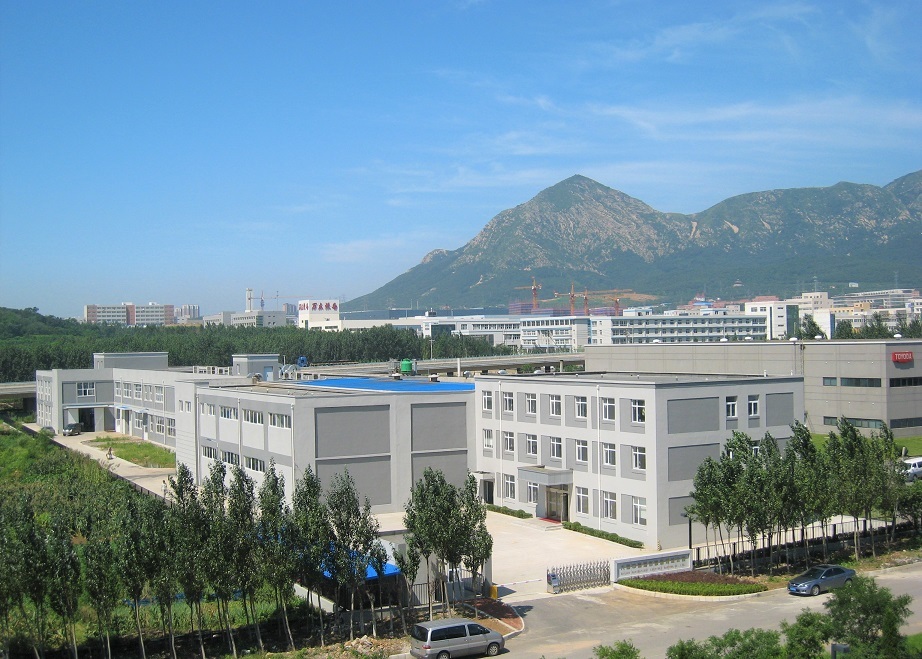
Dalian Sakabe has own foundry factory and focus on providing high-quality precision casting products to domestic and foreign customers since its establishment in 2005.
2024/10/08
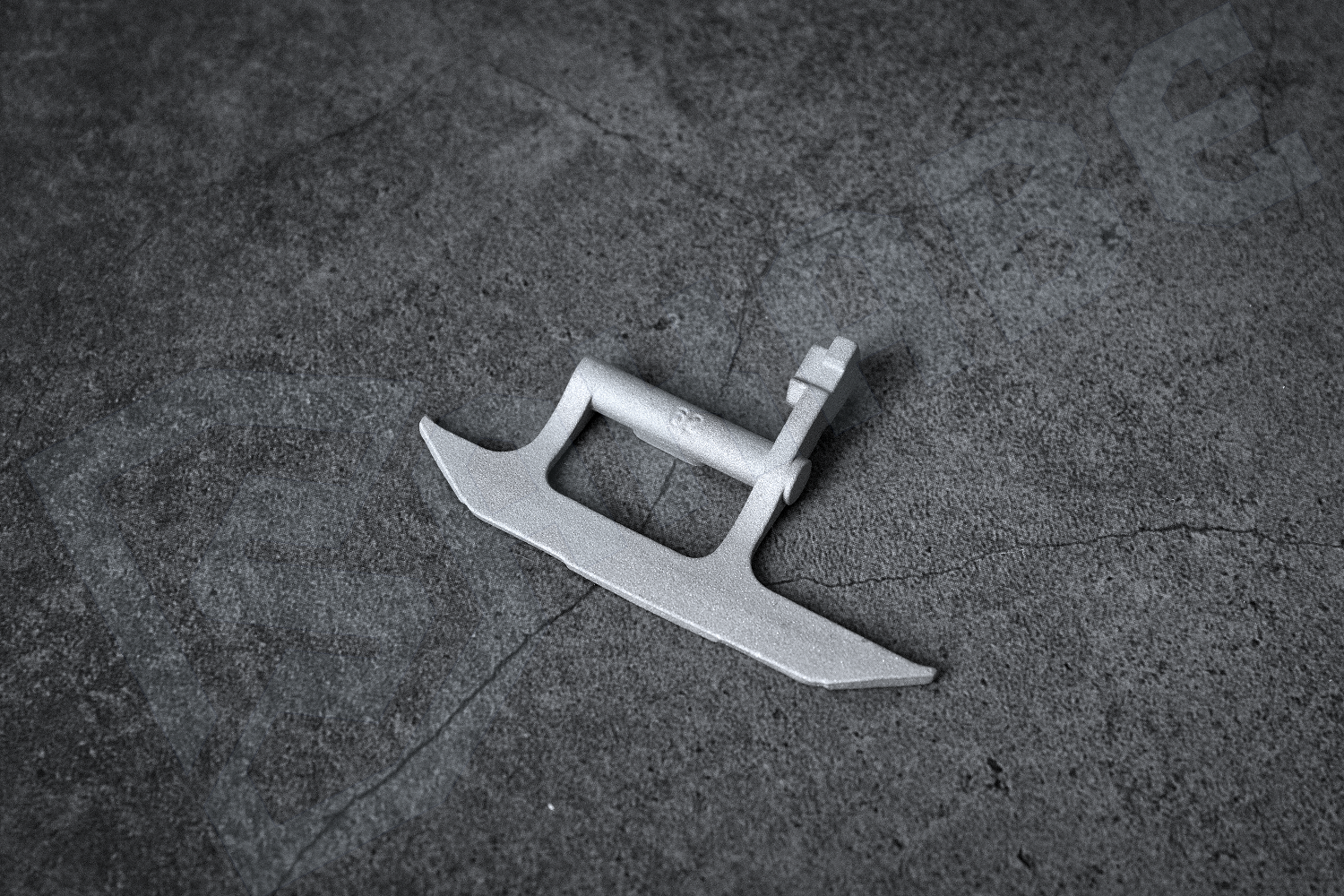
The Crucial Role of Casting Material Trays in Advanced Manufacturing
In the ever-evolving landscape of manufacturing, optimizing heat treatment processes through the strategic use of casting material trays is paramount
2025/09/19
CONTACT US
Tel: +86 136-5494-1611
E-mail: alexzheng@sakabe.cn
Office Address:
No.18 Dongbei Qi Street, Jinpu New Area, Dalian, Liaoning, China
Factory Address:
No.26 Fuan Street, Jinpu New Area, Dalian, Liaoning, China
