


Understanding the Critical Role of Precision Machining in Textile Machinery
Introduction to Precision Machining in Textile Machinery
Precision machining is a vital component in the production of textile machinery, playing an essential role in achieving the exact specifications required for high-quality manufacturing. As the textile industry evolves with new technologies and methods, the significance of precision machining becomes increasingly pronounced.
The Importance of Precision Machining in Textile Manufacturing
In textile manufacturing, the machinery used must meet stringent performance standards. Any deviations in the manufacturing process can lead to defects, inefficient operation, and ultimately, financial losses. Precision machining ensures that each component of textile machinery is crafted with a high degree of accuracy, which is crucial for seamless operations. The role of precision machining extends beyond mere fabrication; it encompasses the entire lifecycle of textile production, from design to execution.
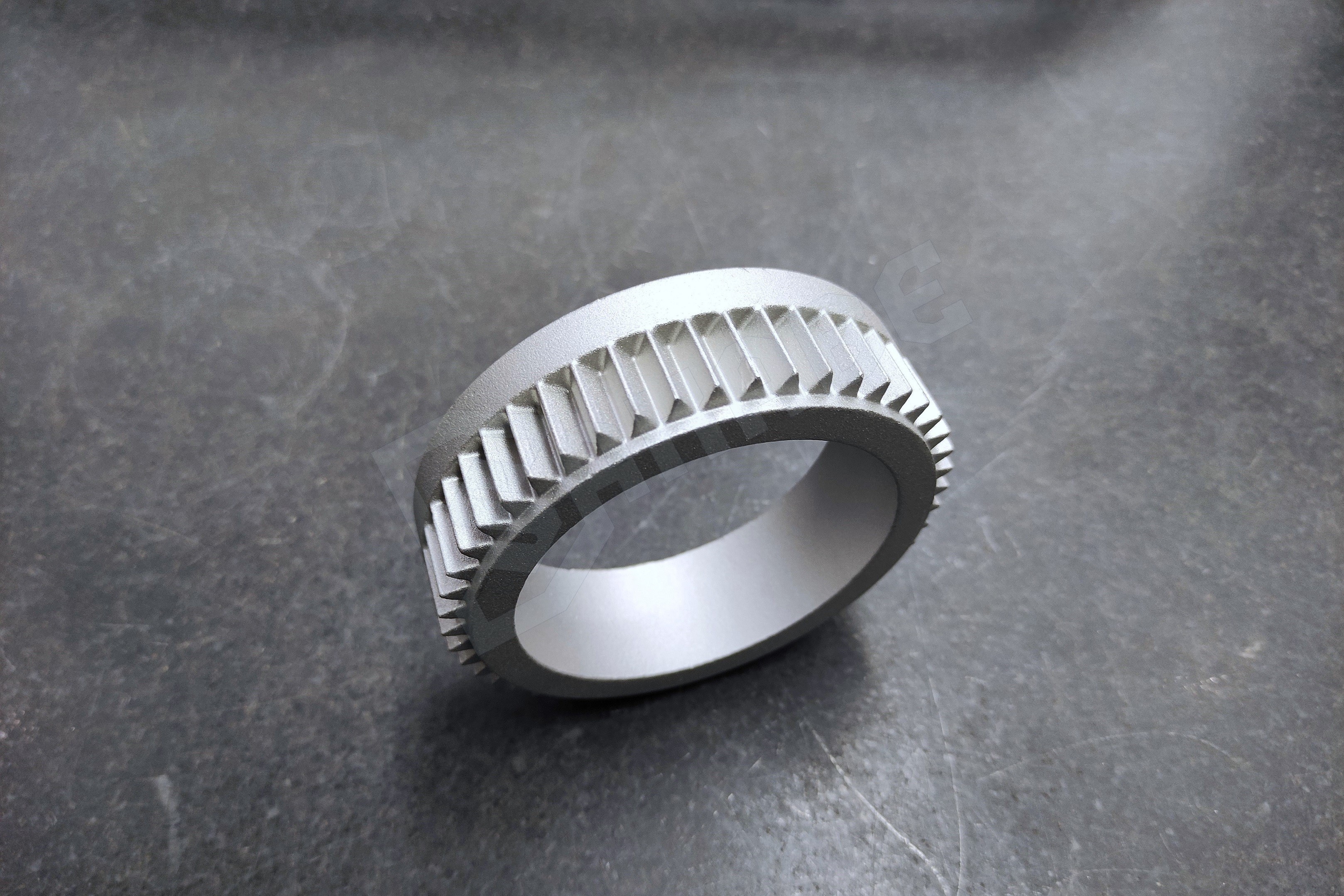
The Precision Machining Process Explained
Precision machining involves various techniques aimed at producing components with exact specifications. It typically includes processes such as turning, milling, grinding, and electrical discharge machining. Understanding these processes is key to appreciating how they contribute to the efficacy of textile machinery.
Techniques of Precision Machining
Several advanced techniques are employed in precision machining, each serving specific purposes in the textile manufacturing landscape. Some of the most common techniques include:
- **Turning**: Utilizing a lathe to create cylindrical parts, turning is essential for components such as spindles and shafts found in textile machines.
- **Milling**: This technique involves removing material from a workpiece using rotary cutters. It is often used to create complex shapes and features in textile machinery components.
- **Grinding**: Essential for achieving high surface quality and tolerances, grinding is often the final step in machining processes.
- **Electrical Discharge Machining (EDM)**: This method is particularly useful for creating intricate shapes and contours in hard materials, allowing for greater design flexibility.
Essential Equipment for Precision Machining
High-quality precision machining relies on advanced machinery and tools. Key equipment includes:
- **CNC Machines**: Computer Numerical Control (CNC) machines automate milling, turning, and drilling processes, ensuring repeatability and high precision.
- **Lathes**: Essential for turning operations, lathes are fundamental in fabricating cylindrical components.
- **Milling Machines**: These machines are vital for creating complex geometries and features on various components.
- **Grinders**: Used for finishing, grinders ensure that components meet exact specifications with smooth surfaces.
Applications of Precision Machining in Textile Machinery
Precision machining finds numerous applications within textile machinery. Some notable examples include:
- **Weaving Machines**: Components like heddles and reeds require precise machining to ensure smooth operation and high-quality fabric production.
- **Knitting Machines**: Precision-engineered needles and sinkers are crucial for producing consistent knit patterns.
- **Spinning Machines**: Spindles and rotors must be manufactured with exacting standards to minimize vibration and ensure product quality.
Key Benefits of Precision Machining in the Textile Industry
Precision machining offers a range of benefits that significantly enhance the quality and efficiency of textile production processes.
Enhancing Efficiency through Precision
By minimizing errors and ensuring tight tolerances, precision machining improves the overall efficiency of textile machinery. This leads to reduced downtime and increased production rates, ultimately contributing to the bottom line.
Quality Assurance through Precision Techniques
High-quality textile products necessitate precision in machinery. Precision machining ensures that every component operates optimally, eliminating defects and enhancing the final product's quality. The result is textiles that meet industry standards and consumer expectations.
Challenges Facing Precision Machining in Textiles
Despite its advantages, precision machining in the textile industry does face several challenges. These include:
- **High Costs**: The initial investment in precision machining equipment can be substantial. However, the long-term savings often outweigh these initial costs.
- **Technology Adaptation**: As technology evolves, staying updated with the latest machining techniques and equipment can be a challenge for manufacturers.
- **Skilled Labor Shortage**: Finding skilled workers who understand precision machining processes can be difficult, impacting production quality.
The Future of Precision Machining in Textile Manufacturing
As the textile industry continues to advance, the role of precision machining will only become more critical. Emerging technologies, such as automation and artificial intelligence, are set to revolutionize the precision machining landscape. These innovations promise to enhance production efficiency, reduce costs, and further improve product quality.
Conclusion
Precision machining plays a pivotal role in the design and function of textile machinery. By ensuring that every component is crafted to exacting standards, manufacturers can enhance efficiency, improve product quality, and position themselves competitively in the industry. As technology progresses, the importance of precision machining will grow, making it an indispensable aspect of modern textile manufacturing.
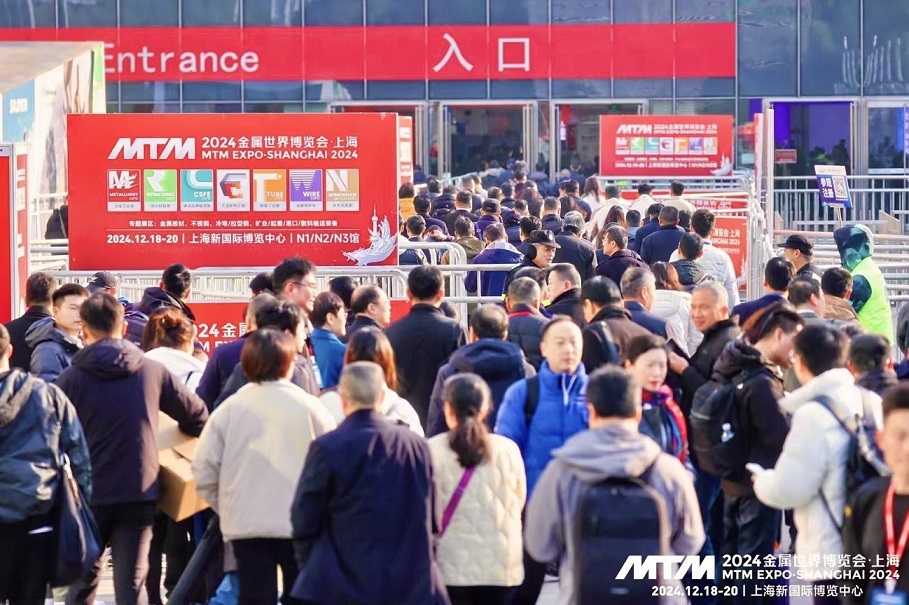
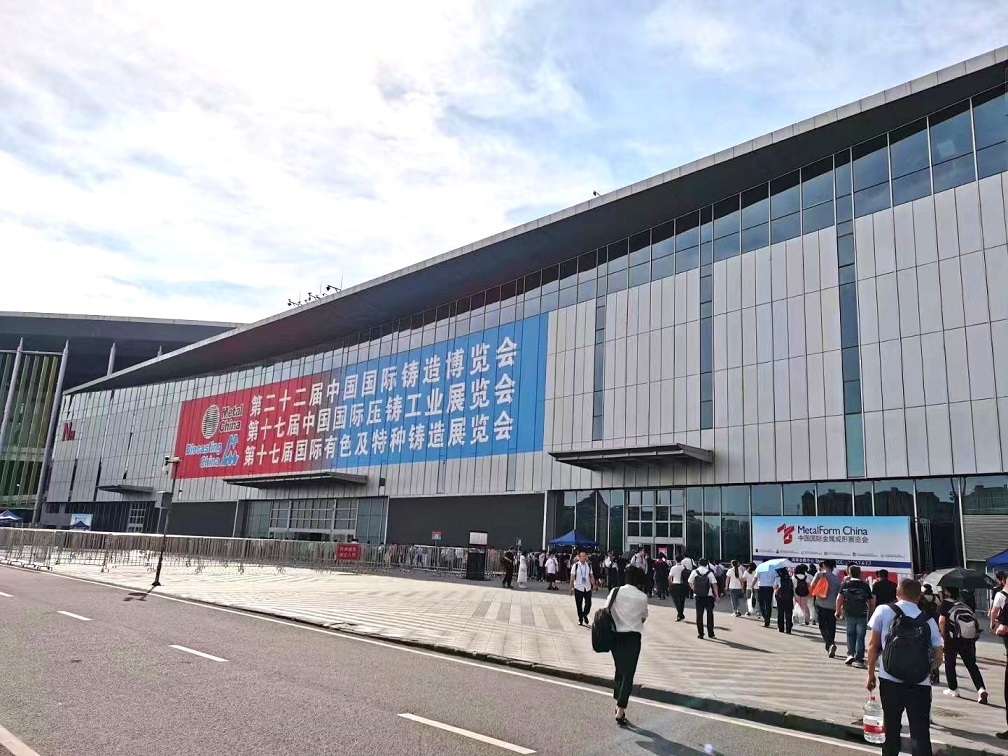
2024 Shanghai International Foundry Expo
In December 2024, Dalian Sakabe met new friends at the Shanghai International Foundry Expo
2024/12/30
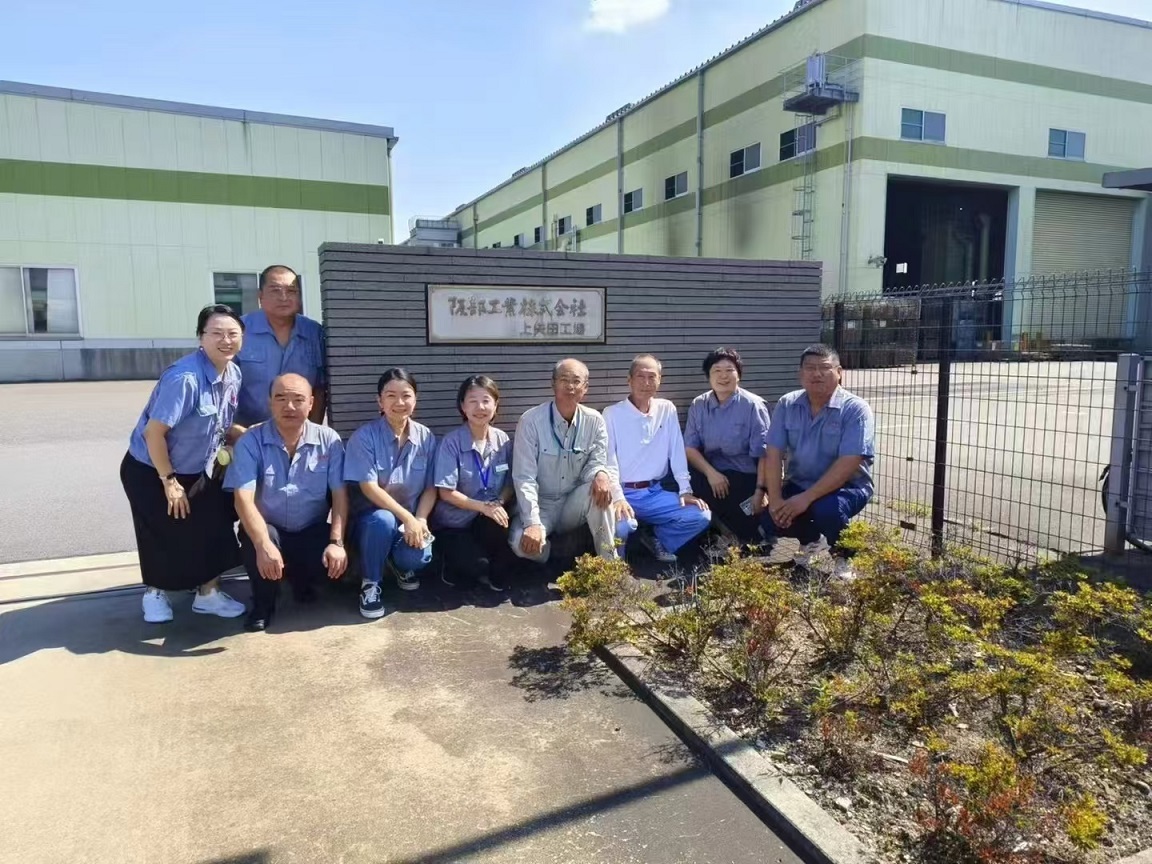
Sakabe production exchange meeting between Chinese and Japanese teams
A stable international cooperation relationships are particularly precious in the increasingly severe international environment. Sakabe production teams from China and Japan held a production exchange meeting recently.
2024/10/08
2024/10/08

CONTACT US
Tel: +86 136-5494-1611
E-mail: alexzheng@sakabe.cn
Office Address:
No.18 Dongbei Qi Street, Jinpu New Area, Dalian, Liaoning, China
Factory Address:
No.26 Fuan Street, Jinpu New Area, Dalian, Liaoning, China
