


One of the primary advantages of using customized fluid chemical equipment parts lies in their ability to meet unique operational demands. Standard parts may not always provide the necessary compatibility or efficiency, particularly in complex applications involving aggressive chemicals or high pressures. By opting for customized solutions, manufacturers can design parts that are specifically crafted to withstand the conditions of their specific processes, ensuring optimal performance.
Additionally, customized parts can enhance the adaptability of your equipment. In a rapidly evolving industrial landscape, manufacturers often face changing requirements due to new regulations, product lines, or process innovations. Customized fluid chemical equipment parts allow for more straightforward modifications and retrofitting of existing machinery, ensuring that manufacturers can respond quickly to changes in the market without the need for significant capital investment in entirely new systems.
Moreover, the longevity of equipment is paramount in reducing overall operational costs. Customized parts can be engineered to provide better resistance to wear and corrosion, extending the lifespan of machinery significantly. Choosing high-quality materials and precise manufacturing techniques tailored to the specific chemical environments can reduce downtime and maintenance costs, leading to more efficient production cycles.
Collaboration with experienced suppliers is key in creating customized fluid chemical equipment parts that deliver optimal results. Manufacturers should engage with suppliers who possess deep knowledge of the chemical processes involved and can offer insights into material selection and design optimization. Working closely with these experts ensures that the developed parts can handle the specific challenges of your applications, whether it involves temperature extremes, high pressures, or corrosive substances.
In conclusion, investing in customized fluid chemical equipment parts can lead to substantial improvements in performance, adaptability, and durability in the manufacturing and machining sectors. By focusing on tailored solutions, manufacturers can optimize their operations and maintain a competitive edge in the industry. As the landscape of technology and regulations continues to evolve, the importance of customized solutions in fluid chemical applications will only grow, making it essential for professionals to consider their options carefully.
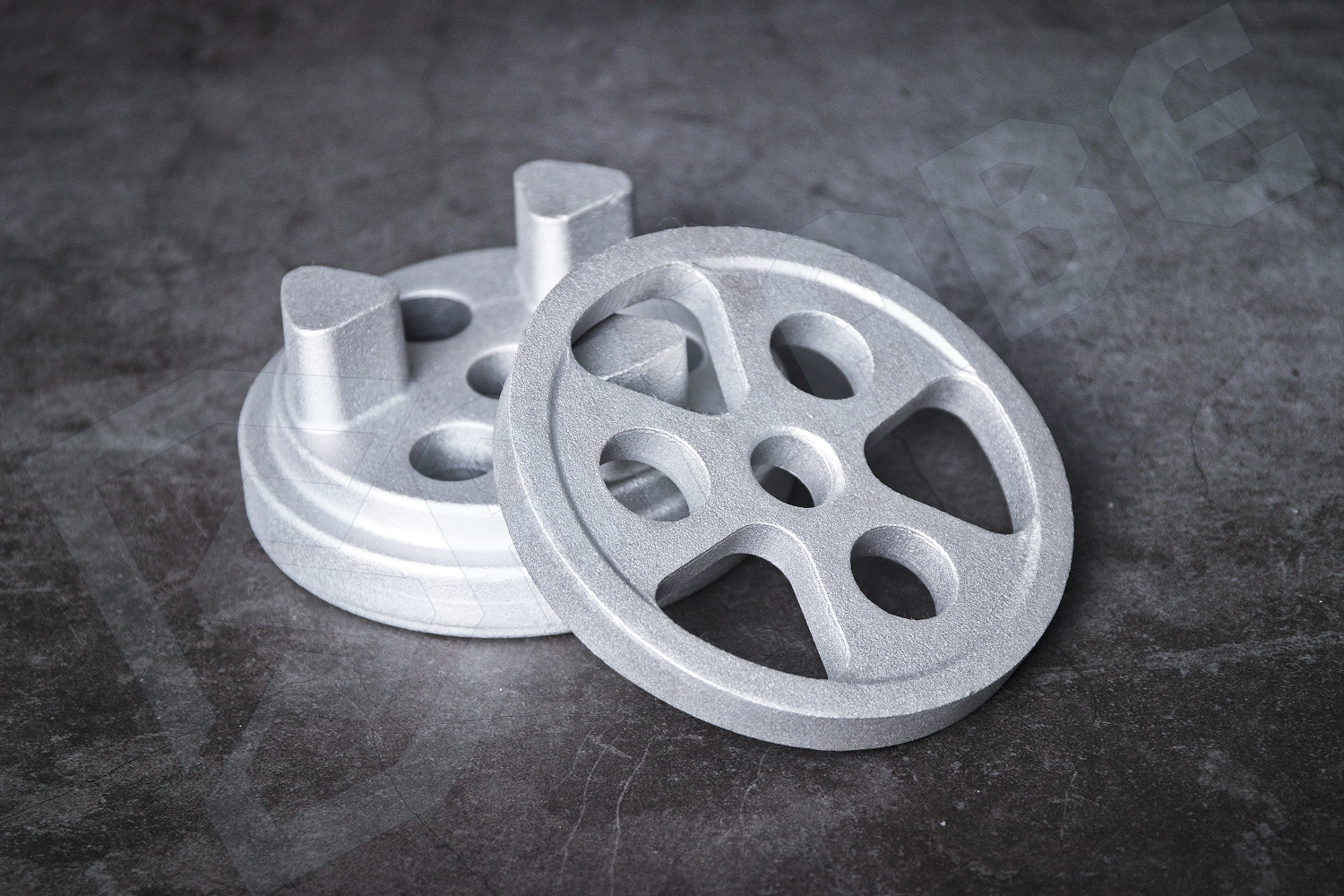
Heat Treatment Tool Casting: Enhancing Performance and Durability in Manufacturing
Heat treatment is an indispensable aspect of tool casting that significantly contributes to the performance and durability of industrial tools
2024/10/23

Unlocking Precision: The Role of Casting in Medical Tool Parts
In the ever-evolving landscape of medical tool manufacturing, medical tool parts casting stands out as a critical process that ensures precision, reliability, and innovation
2024/10/23
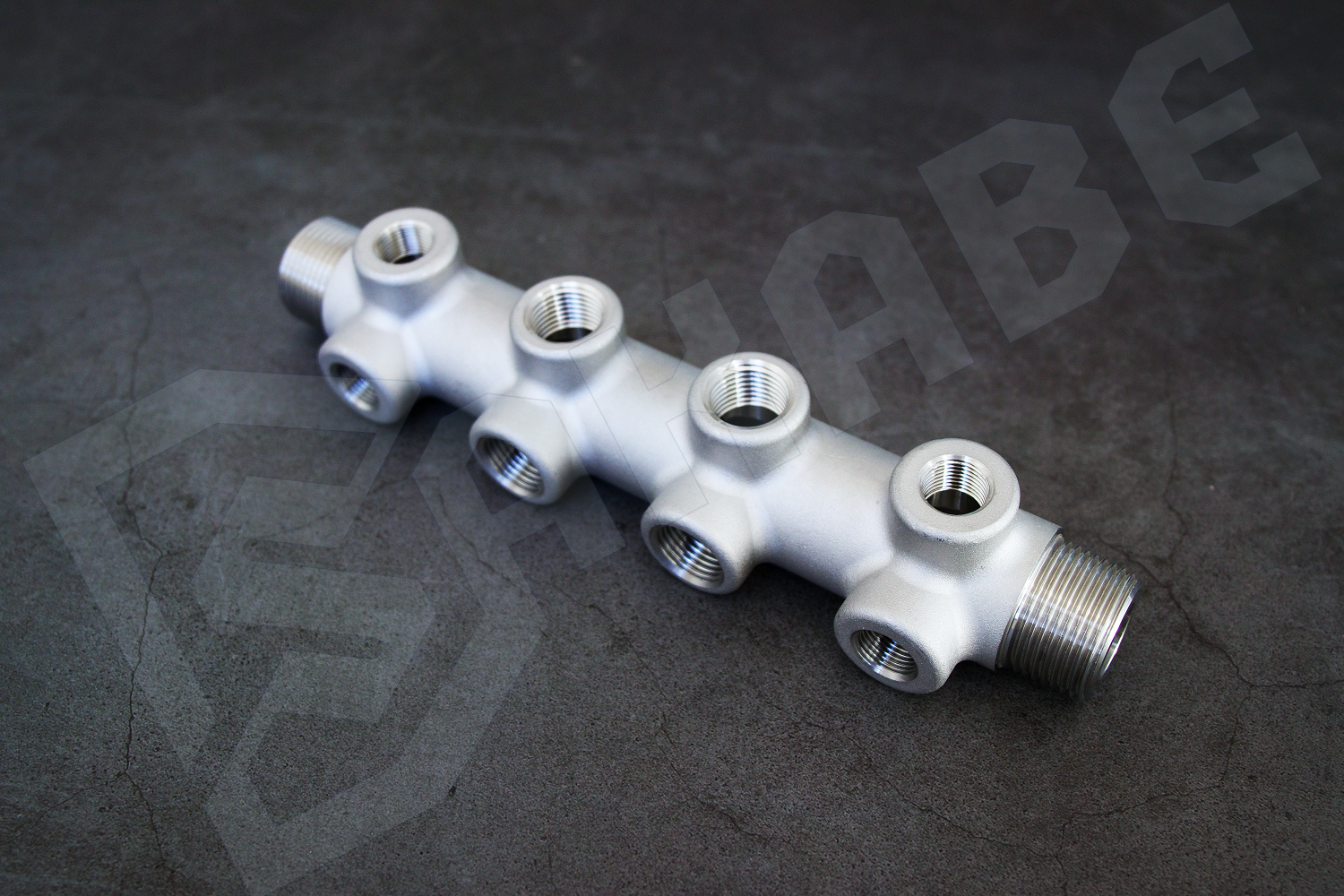
Medical Equipment Parts Casting Ensures Precision Quality and Innovation in Healthcare Manufacturing
Another significant aspect of medical equipment parts casting is the consistency it offers. High-quality casting processes ensure that each part produced meets the necessary specifications and tolerances
2024/10/23

The Environmental Impact of Flowmeter Parts Casting in Manufacturing
The environmental impact of flowmeter parts casting in manufacturing is a pressing issue that requires immediate attention. By understanding the implications of traditional casting processes and embracing sustainable practices and technological innovations, manufacturers can significantly reduce their ecological footprints.
2024/10/23
CONTACT US
Tel: +86 136-5494-1611
E-mail: alexzheng@sakabe.cn
Office Address:
No.18 Dongbei Qi Street, Jinpu New Area, Dalian, Liaoning, China
Factory Address:
No.26 Fuan Street, Jinpu New Area, Dalian, Liaoning, China
