


The Crucial Role of Casting Material Trays in Advanced Manufacturing
1. Introduction to Heat Treatment in Manufacturing
Heat treatment is a critical process in manufacturing that enhances the properties of metals and alloys. It involves controlled heating and cooling of materials to alter their physical and sometimes chemical properties, ultimately improving performance and durability. In sectors such as aerospace, automotive, and heavy machinery, optimizing heat treatment processes can lead to significant advancements in product quality and operational efficiency.
2. Understanding Casting Material Trays
Casting material trays are specialized containers designed to hold metal components during the heat treatment process. Their primary purpose is to facilitate uniform heating and cooling, ensuring that the materials are subjected to consistent temperatures throughout the treatment cycle.
2.1 The Functionality of Casting Material Trays
These trays play a vital role in maintaining the integrity of the components being treated. They prevent deformation and ensure that the materials are evenly exposed to heat. Properly designed casting material trays can minimize thermal stresses that lead to cracks or distortions in the finished product.
2.2 Types of Casting Material Trays
Various types of casting material trays are available, including flat trays, basket trays, and custom-made designs tailored for specific applications. Each type serves different functions, from maximizing space to accommodating unique shapes and sizes of components.
3. Importance of Optimizing Heat Treatment
Optimizing heat treatment processes is crucial for several reasons, including improving the mechanical properties of materials and ensuring uniformity in production, which ultimately leads to reduced waste and increased profitability.
3.1 Benefits of Effective Heat Treatment
Effective heat treatment can significantly enhance material properties such as hardness, strength, and ductility. For manufacturers, this translates to improved product reliability and customer satisfaction.
3.2 The Role of Casting Material Trays in Optimization
The choice and design of casting material trays can directly affect the heat treatment process's effectiveness. By optimizing tray design, manufacturers can achieve better thermal efficiency and ensure that every component receives the desired treatment without compromising quality.
4. Key Factors in Selecting Casting Material Trays
Choosing the right casting material tray involves considering various factors that impact heat treatment efficiency.
4.1 Material Composition
The materials used to construct casting material trays should have high thermal resistance and durability. Common materials include stainless steel, aluminum, and special alloy formulations that withstand extreme temperatures without warping or degrading.
4.2 Design and Structure
The design of the trays should facilitate optimal airflow while maximizing load capacity. Efficient designs prevent overcrowding, allowing heat to circulate freely around each component for uniform treatment.
4.3 Heat Resistance and Conductivity
Selecting trays with appropriate heat resistance and thermal conductivity is essential. Materials that can withstand elevated temperatures without losing structural integrity are crucial for effective heat treatment processes.
5. Best Practices for Using Casting Material Trays
Implementing best practices when utilizing casting material trays can significantly enhance heat treatment effectiveness.
5.1 Proper Tray Arrangement
Arranging trays in a manner that allows for even heat distribution is critical. Overlapping or stacking trays can create hot spots and result in uneven treatment, which may affect the quality of the final product.
5.2 Maintaining Consistent Heat Distribution
Regular monitoring of temperature distribution within the furnace is essential. Utilizing thermocouples and other monitoring devices can help maintain consistent heat across all trays, ensuring that each component is treated evenly.
6. Innovations in Casting Material Tray Design
The advancement of technology has led to innovative designs in casting material trays, enhancing their effectiveness in the heat treatment process.
6.1 Advanced Materials and Technologies
New materials, such as ceramic composites and advanced alloys, are being explored for casting trays, providing improved thermal properties and longevity. These innovations help reduce operational costs and enhance manufacturing efficiency.
6.2 Future Trends in Manufacturing
As manufacturers seek to optimize production processes, the role of casting material trays will become increasingly significant. Trends such as automation and smart manufacturing will drive the need for advanced tray designs that can adapt to varying heat treatment requirements.
7. Case Studies: Successful Heat Treatment Optimization
Examining real-world examples of heat treatment optimization can provide valuable insights into effective practices and strategies.
7.1 Analyzing Industry Leaders
Many industry leaders have successfully implemented optimized heat treatment processes by refining their use of casting material trays. These case studies reveal the measurable benefits in terms of cost savings and quality improvements.
7.2 Lessons Learned from Implementation
From these case studies, manufacturers can learn crucial lessons about the importance of proper planning, investment in technology, and continuous improvement in heat treatment processes.
In the ever-evolving landscape of manufacturing, optimizing heat treatment processes through the strategic use of casting material trays is paramount. By understanding their essential role, selecting the right materials, and implementing best practices, manufacturers can enhance product quality, reduce costs, and improve overall operational efficiency. Embracing innovations in casting material tray design will not only keep manufacturers competitive but also pave the way for a sustainable future in manufacturing excellence.

Development prospects of investment casting
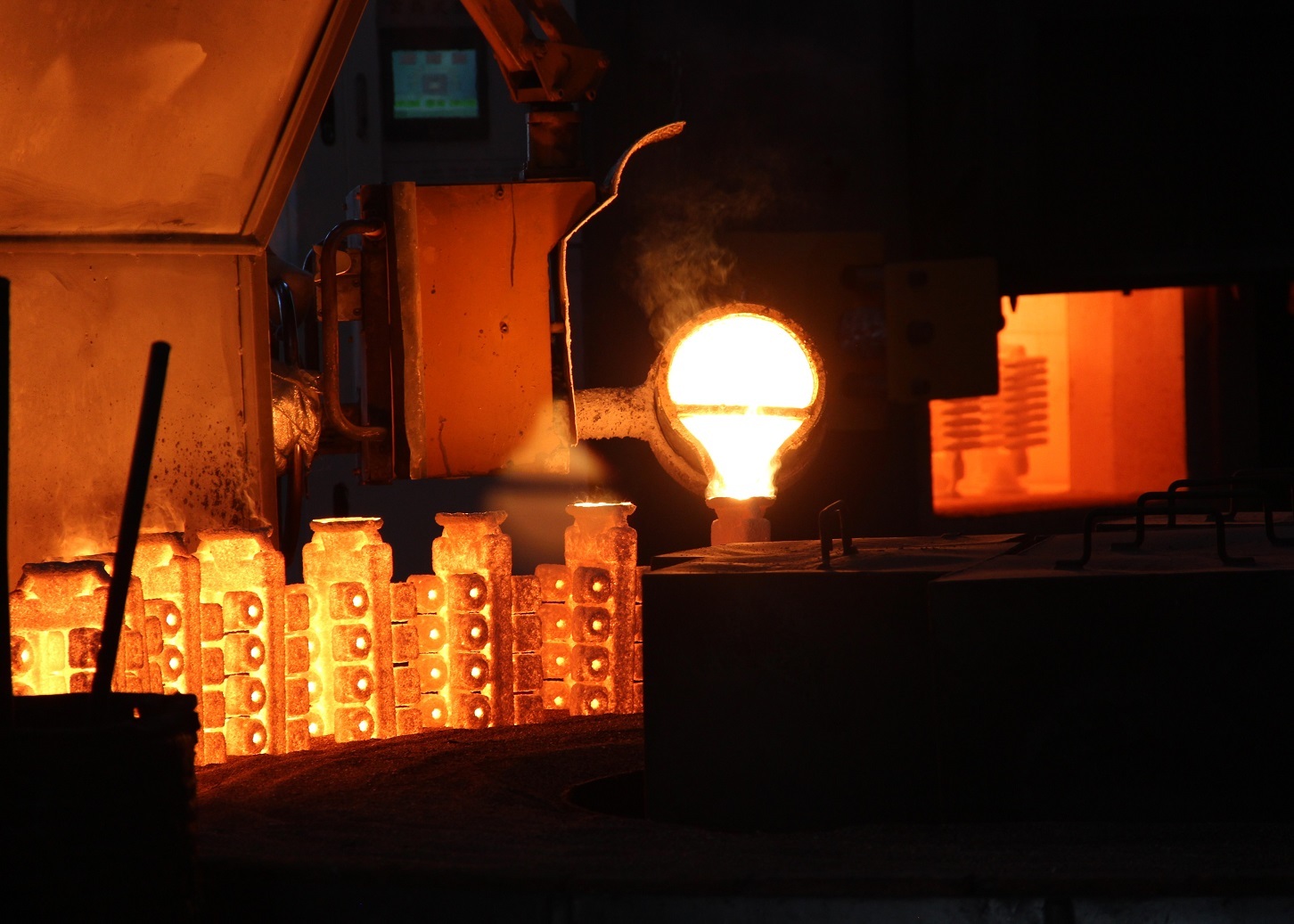
The products obtained by investment casting are precise and complex, close to the final shape of the parts, and can be directly used without or with little machining. It is an advanced technology for near net formation and an excellent process technology in the casting industry, with a wide range of applications. It is suitable for casting various types of alloys, and the produced castings have higher dimensional accuracy and surface quality than other casting methods. Even complex, high-temperature resistant, and difficult to process castings can be cast using investment casting precision casting.
2024/10/08
Introduction to investment casting manufacturing technique
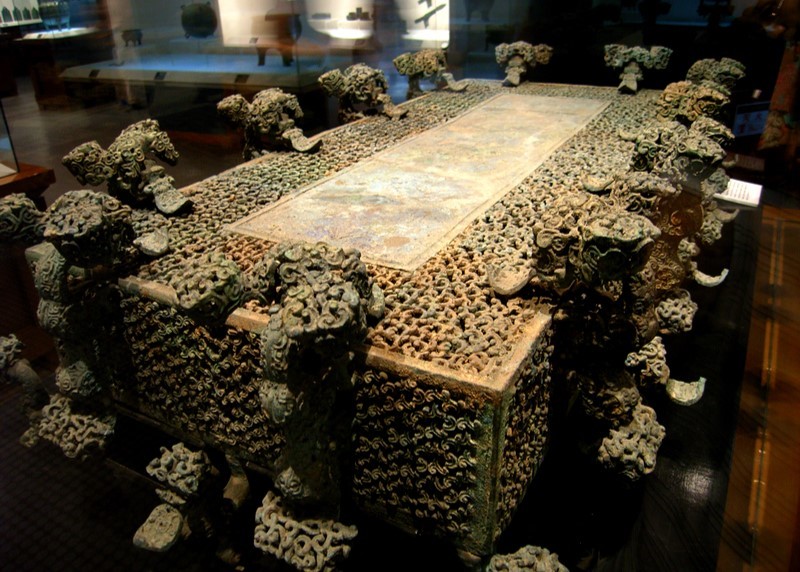
Investment casting, also known as wax loss casting, is a long-standing metal forming process. The copper ban during the Spring and Autumn period in China was the earliest known lost wax casting method. The first step is to make a mold, using the mold to inject liquid wax into the mold to form a wax mold. Then, the wax mold is pasted into a pouring system according to the casting process, and the entire pouring system is made into a silica sol shell. After dewaxing, the entire shell becomes a cavity, and the cavity shell can be poured with molten steel after calcination. After cooling, the steel material product is formed. Subsequently, through processes such as cutting and grinding, sandblasting, heat treatment, correction, welding repair, electroplating, and machining, the cast products required by the customer are formed.
2024/10/08

Dalian is a beautiful coastal city in Northeast China, with beautiful scenery and pleasant climate. It is an important industrial production base, an international shipping center in Northeast Asia.
2024/07/11
CONTACT US
Tel: +86 136-5494-1611
E-mail: alexzheng@sakabe.cn
Office Address:
No.18 Dongbei Qi Street, Jinpu New Area, Dalian, Liaoning, China
Factory Address:
No.26 Fuan Street, Jinpu New Area, Dalian, Liaoning, China
