


The casting process involves pouring molten material into a mold, where it solidifies into the desired shape. For flowmeter parts, common materials include metals like stainless steel and aluminum, as well as specialized alloys designed for specific applications. These materials are chosen for their strength, corrosion resistance, and ability to withstand thermal stress. The selection of the right material is paramount in ensuring that the flowmeter parts can endure the rigors of their operating conditions.
Several casting techniques are utilized in the manufacturing of durable flowmeter parts. Sand casting, investment casting, and die casting are some of the most widely used methods. Each technique has its unique advantages. For instance, sand casting is cost-effective and versatile, making it suitable for producing large or complex parts. Investment casting, on the other hand, allows for high precision and excellent surface finish, which is critical for components that require accurate flow measurement. Die casting can produce parts with thin walls and intricate details, making it ideal for mass production of flowmeter components.
In addition to the casting process, post-casting treatments such as heat treatment and surface finishing can significantly enhance the durability of flowmeter parts. Heat treatment can improve the material properties, such as hardness and toughness, while surface finishing techniques, like coating or polishing, can provide additional protection against wear and corrosion.
Investing in quality durable flowmeter parts is essential for manufacturers looking to optimize their operations. By ensuring that these components are crafted through reliable casting processes, businesses can minimize downtime, reduce maintenance costs, and enhance overall productivity. Moreover, the longevity of flowmeter parts directly impacts the accuracy of measurements, thus contributing to better resource management and operational efficiency.
In conclusion, the casting of durable flowmeter parts is a critical aspect of mechanical hardware manufacturing. Understanding the materials, methods, and treatments involved in this process can help manufacturers select the right components that ensure reliability and longevity in their operations. By focusing on quality and durability, businesses can achieve significant improvements in performance and efficiency.
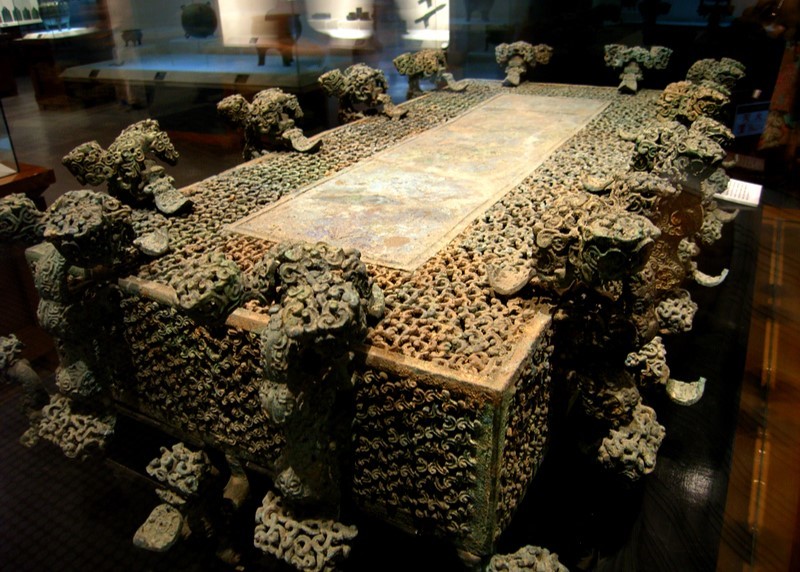
Introduction to investment casting manufacturing technique
Investment casting, also known as wax loss casting, is a long-standing metal forming process. The copper ban during the Spring and Autumn period in China was the earliest known lost wax casting method. The first step is to make a mold, using the mold to inject liquid wax into the mold to form a wax mold. Then, the wax mold is pasted into a pouring system according to the casting process, and the entire pouring system is made into a silica sol shell. After dewaxing, the entire shell becomes a cavity, and the cavity shell can be poured with molten steel after calcination. After cooling, the steel material product is formed. Subsequently, through processes such as cutting and grinding, sandblasting, heat treatment, correction, welding repair, electroplating, and machining, the cast products required by the customer are formed.
2024/10/08

Dalian is a beautiful coastal city in Northeast China, with beautiful scenery and pleasant climate. It is an important industrial production base, an international shipping center in Northeast Asia.
2024/07/11
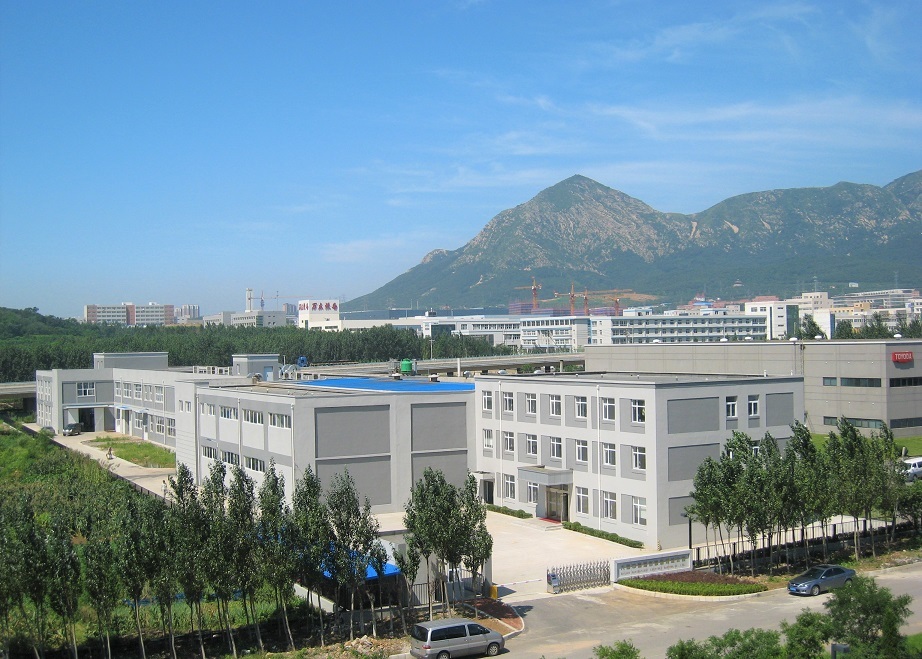
Dalian Sakabe has own foundry factory and focus on providing high-quality precision casting products to domestic and foreign customers since its establishment in 2005.
2024/10/08
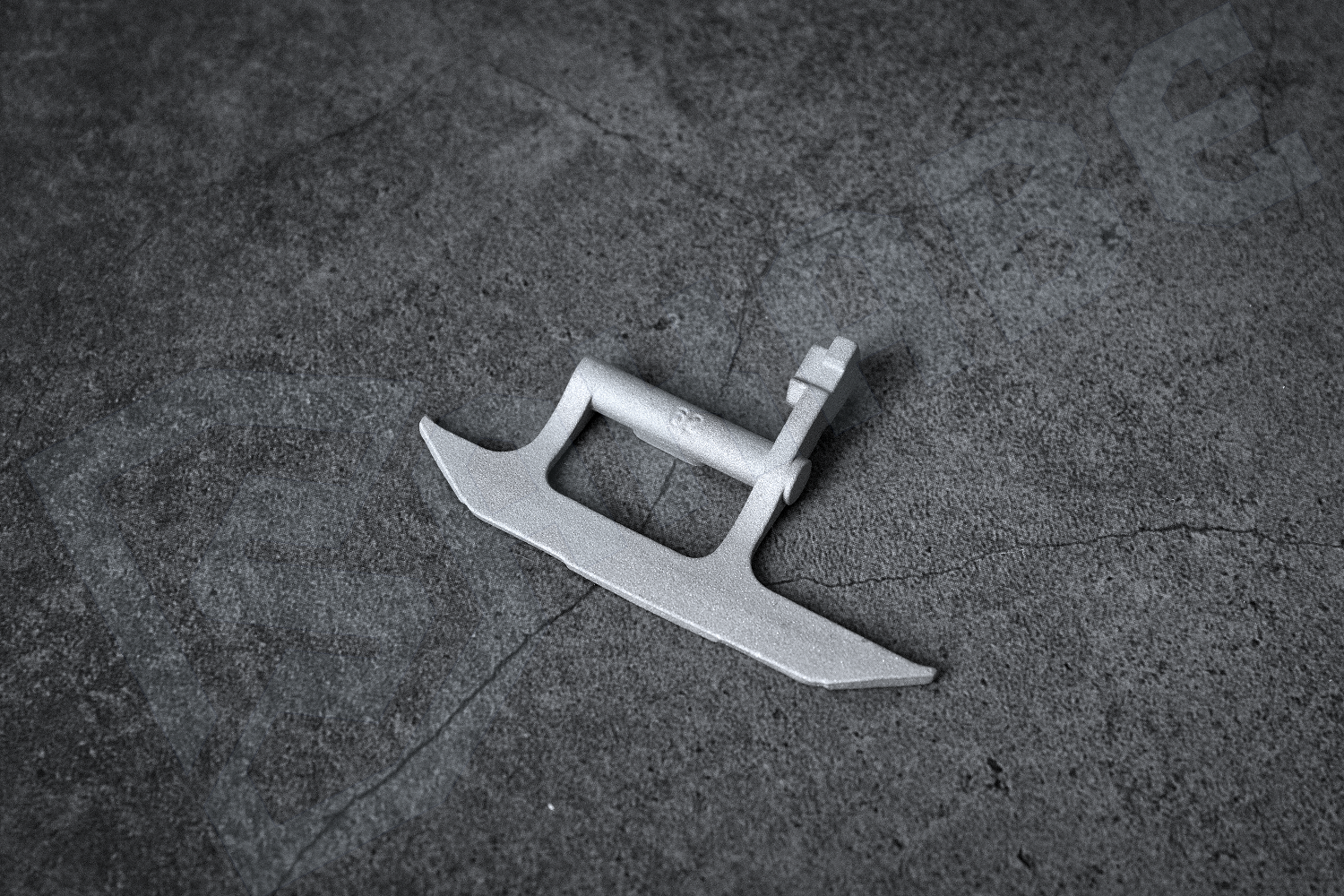
The Crucial Role of Casting Material Trays in Advanced Manufacturing
In the ever-evolving landscape of manufacturing, optimizing heat treatment processes through the strategic use of casting material trays is paramount
2025/09/19
CONTACT US
Tel: +86 136-5494-1611
E-mail: alexzheng@sakabe.cn
Office Address:
No.18 Dongbei Qi Street, Jinpu New Area, Dalian, Liaoning, China
Factory Address:
No.26 Fuan Street, Jinpu New Area, Dalian, Liaoning, China
