

At its core, dewax casting involves the creation of a wax model of the desired part, which is then encased in a ceramic shell. Once the shell is hardened, the wax is melted and drained away, leaving a cavity that serves as a mold for the final part. This process allows for the production of intricate shapes and fine details that are often difficult to achieve with traditional casting methods. In the context of food machinery, this is particularly important, as many components must fit together precisely in order to function effectively and maintain hygiene standards.
One of the primary advantages of advanced dewax casting is the ability to use high-performance alloys that resist corrosion and wear. Food machinery operates in challenging environments, often exposed to moisture, chemicals, and high temperatures. The durability of parts produced through this casting method ensures that they can withstand such conditions without compromising performance. This longevity not only reduces maintenance costs but also minimizes downtime, which is especially critical in food production settings.
Moreover, advanced dewax casting promotes a smoother surface finish, which is vital for preventing bacteria growth in food machinery. The minimized porosity in these cast parts contributes to easier cleaning and sanitation, thereby enhancing food safety. Manufacturers can also achieve tighter tolerances with this method, leading to improved fit and function of components in machinery, which is essential for operational efficiency.
Environmental considerations are also a significant aspect of advanced dewax casting. As industries strive to reduce their carbon footprint, this casting technique stands out due to its lower waste generation compared to conventional methods. The wax used in the process can be recycled, and the ceramic shell can often be reused, aligning with sustainable manufacturing practices that are becoming increasingly important in the food processing sector.
In conclusion, advanced dewax casting is a transformative technique for producing high-quality food machinery parts. Its ability to create intricate designs with durable materials, combined with benefits in hygiene and sustainability, makes it an ideal choice for manufacturers in the food industry. As technology continues to evolve, embracing advanced casting methods will be key to ensuring that food machinery meets the highest standards of quality and efficiency.

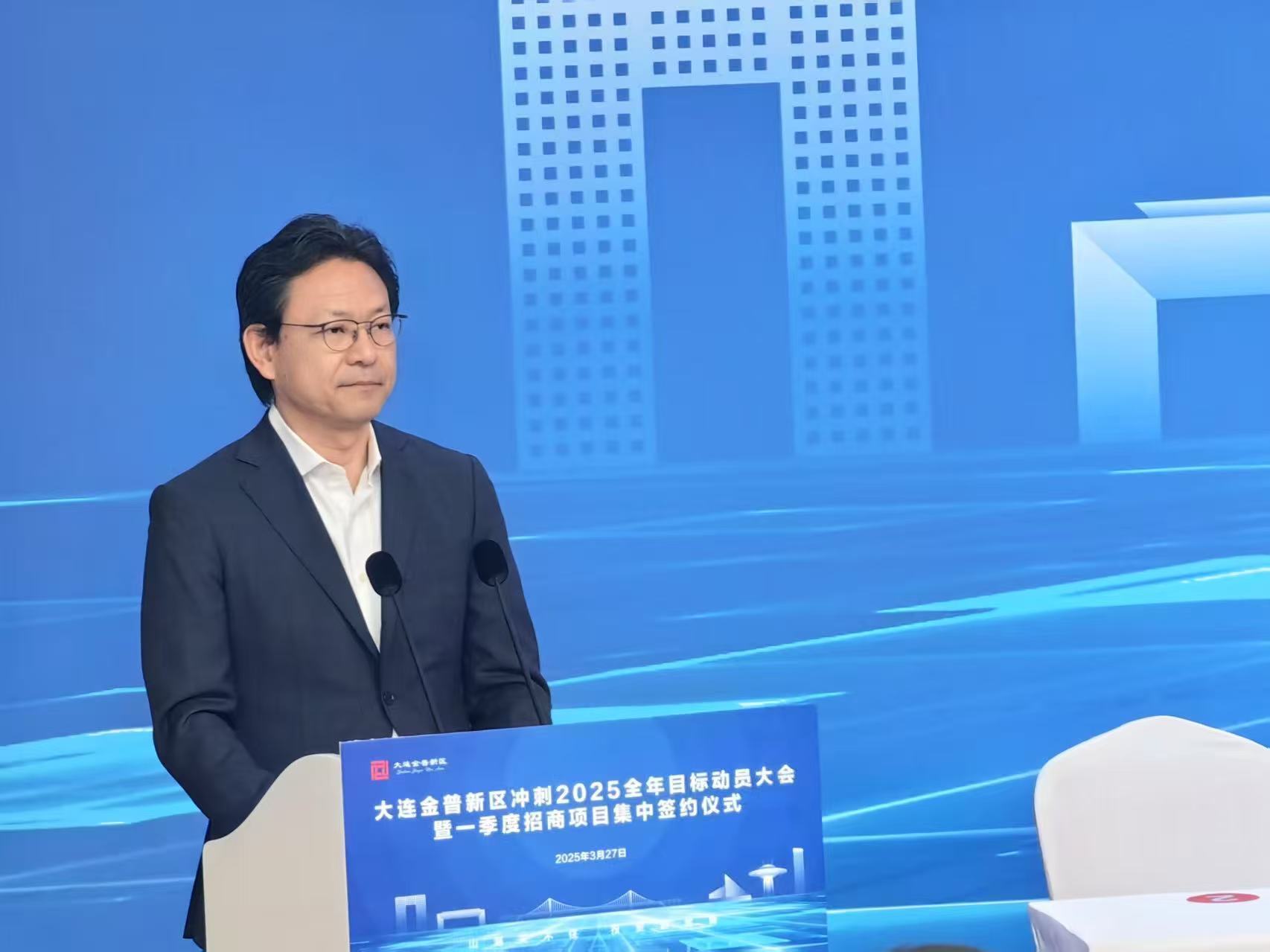
Dalian Sakabe was invited to participate in the Dalian investment promotion project ceremony
On March 27, 2025, Dalian Sakabe, as an advanced foreign-funded enterprise in Dalian, was invited to participate in the investment promotion project ceremony of Dalian China.
2025/04/01
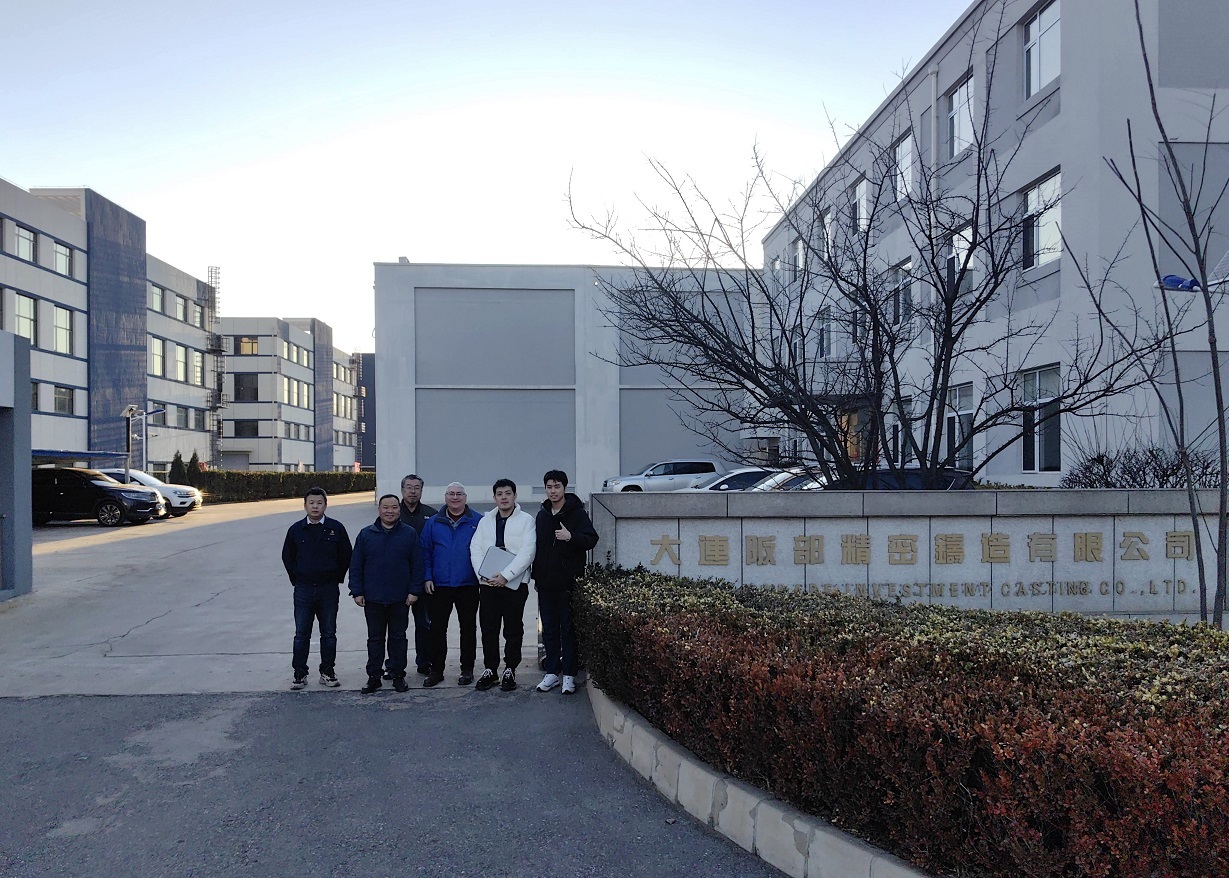
It is pleased that partner NME come to visit us Sakabe foundry
It is pleased that partner NME come to visit us Sakabe foundry. We share the same philosophy about quality standards, product positioning, environmental protection, and sustainable development. It's lucky to meet like-minded partners!
2025/02/19
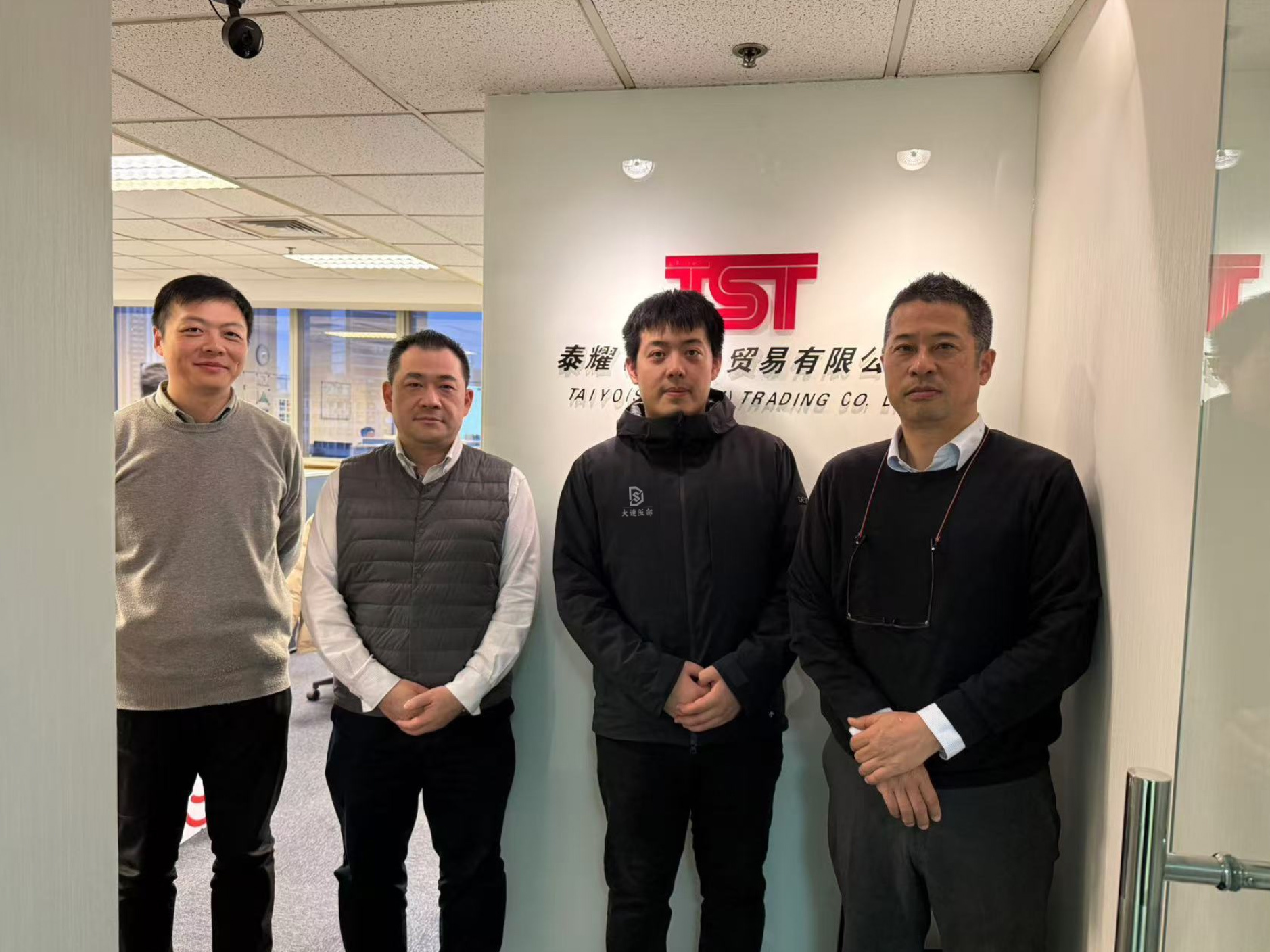
Great meeting with partner in Shanghai
Dalian Sakabe paying visit to our partner TST in Shanghai. Had discussions and plans for long term co-operation. Great thanks for your support!
2025/01/02
CONTACT US
Tel: +86 136-5494-1611
E-mail: alexzheng@sakabe.cn
Office Address:
No.18 Dongbei Qi Street, Jinpu New Area, Dalian, Liaoning, China
Factory Address:
No.26 Fuan Street, Jinpu New Area, Dalian, Liaoning, China
