


The Environmental Impact of Flowmeter Parts Casting in Manufacturing
1. Introduction to Flowmeter Parts and Casting Processes
Flowmeters are integral to a wide array of sectors, including water treatment, oil and gas, and chemical processing. The manufacturing of flowmeter parts typically involves casting, a process where molten metal is poured into molds to create specific shapes. While flowmeter parts casting is an efficient and cost-effective method of production, it does not come without its environmental challenges. Understanding these challenges is the first step toward implementing effective solutions.

2. Understanding the Environmental Footprint of Casting
Casting processes can contribute to **significant environmental impacts**. These include the generation of waste, excessive energy consumption, and the release of harmful pollutants. By analyzing each stage of the casting process, we can identify the areas that require immediate attention and improvement.
3. Key Environmental Challenges in Manufacturing Flowmeter Parts
3.1 Air Pollution and Emissions
The casting process emits various greenhouse gases and particulates that contribute to air pollution. **Volatile organic compounds (VOCs)** and particulate matter released during metal melting can have devastating effects on local air quality and public health. Monitoring and controlling these emissions are vital for reducing their impact.
3.2 Water Consumption and Waste
Manufacturing processes often involve substantial water usage for cooling and cleaning. This can lead to depletion of local water resources and increased wastewater generation. Techniques to recycle water or to use less water in the casting process can significantly mitigate this challenge.
3.3 Resource Depletion
The extraction of raw materials for casting contributes to habitat destruction and resource depletion. Sustainable sourcing practices, including the use of recycled materials, can help reduce the overall demand for virgin materials.
4. Sustainable Practices in Flowmeter Parts Casting
To address these challenges, manufacturers must embrace sustainable practices that reduce their environmental footprint.
4.1 Eco-friendly Materials and Alternatives
Using **recycled metals** or biodegradable alternatives can lessen the environmental impact of the casting process. Innovative materials, such as polymer composites, may provide viable options that are less harmful to the environment compared to traditional metals.
4.2 Energy Efficiency in Manufacturing Processes
Optimizing energy consumption is essential for reducing the carbon footprint of flowmeter parts casting. Implementing energy-efficient technologies and practices, such as utilizing renewable energy sources or improving equipment efficiency, can lead to significant reductions in energy use.
4.3 Waste Reduction Strategies
Effective waste management practices, including recycling scrap metal and minimizing by-products, can significantly reduce the waste generated during the casting process. **Lean manufacturing principles** can also streamline operations to minimize waste in all forms.
5. Technological Innovations Driving Change
The future of flowmeter parts casting is being shaped by technological advancements that promote sustainability.
5.1 3D Printing Technologies
3D printing technology offers a groundbreaking alternative to traditional casting methods. This additive manufacturing process allows for the creation of complex shapes without the need for extensive materials, reducing waste and energy consumption.
5.2 Advanced Recycling Methods
Innovative recycling technologies can recover metals from scrap that would otherwise be discarded. These methods not only reduce waste but also conserve valuable resources, promoting a more circular economy in manufacturing.
5.3 Smart Manufacturing Solutions
The integration of IoT and AI in manufacturing processes can enhance efficiency and sustainability. Smart sensors can monitor emissions and resource usage in real-time, enabling manufacturers to make data-driven decisions that improve their environmental practices.
6. Case Studies: Companies Leading the Way
Several companies are pioneering sustainable practices in flowmeter parts casting. For instance, Company A has implemented a comprehensive recycling program that has reduced its material waste by 40% in the past year. Meanwhile, Company B has invested heavily in renewable energy, achieving a 30% reduction in its carbon emissions.
7. Future Outlook for Flowmeter Parts Casting
As environmental regulations become more stringent, the manufacturing industry must adapt to ensure compliance while remaining competitive. The shift toward sustainable practices will not only help mitigate environmental impacts but also enhance brand reputation and customer loyalty.
8. Conclusion
The environmental impact of flowmeter parts casting in manufacturing is a pressing issue that requires immediate attention. By understanding the implications of traditional casting processes and embracing sustainable practices and technological innovations, manufacturers can significantly reduce their ecological footprints. As the industry moves forward, a commitment to sustainability will not just be a regulatory requirement but also a strategic advantage in a competitive marketplace. Together, we can pave the way for a more sustainable future in manufacturing, ensuring that flowmeter parts casting contributes positively to both the economy and the environment.

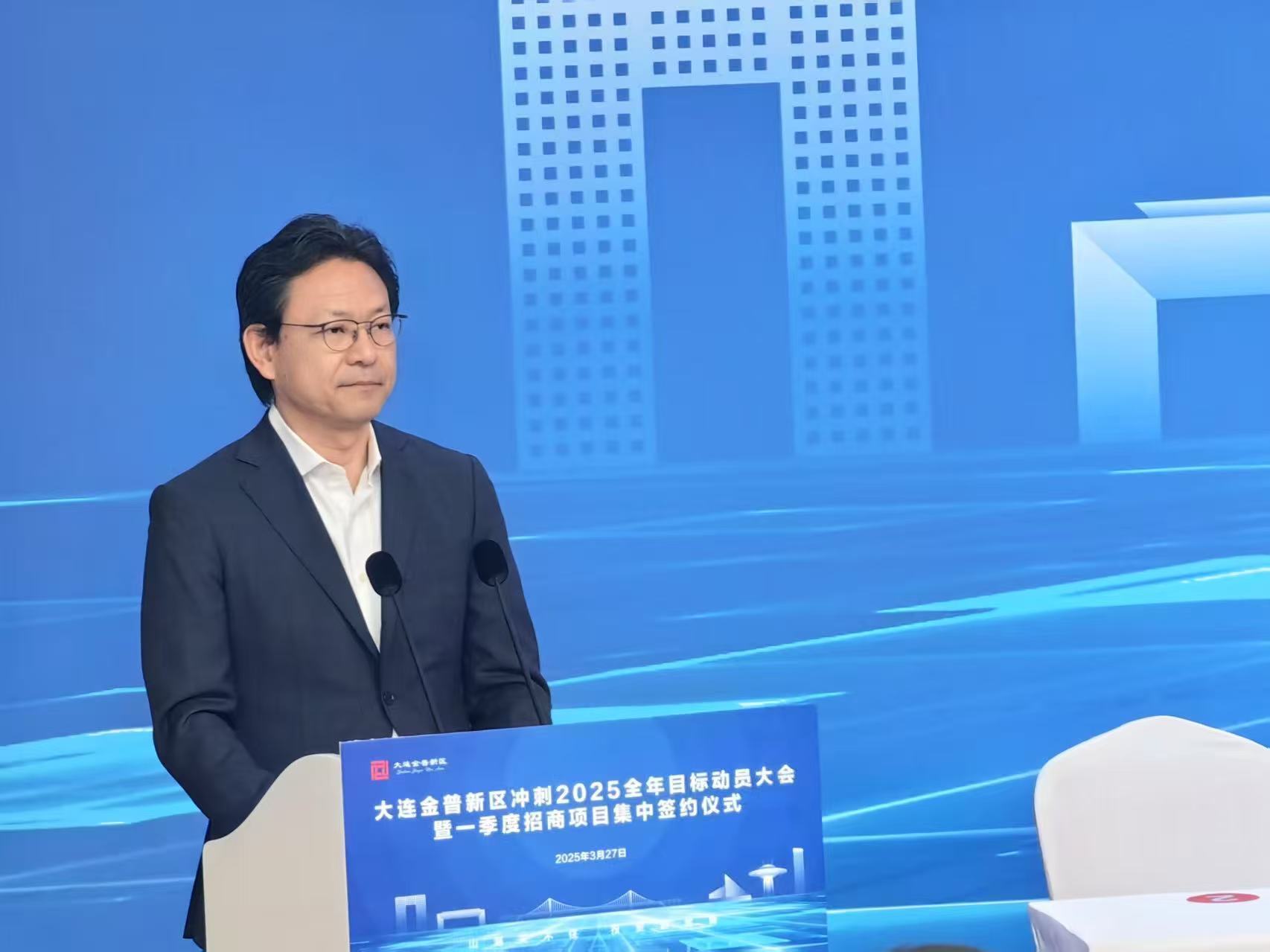
Dalian Sakabe was invited to participate in the Dalian investment promotion project ceremony
On March 27, 2025, Dalian Sakabe, as an advanced foreign-funded enterprise in Dalian, was invited to participate in the investment promotion project ceremony of Dalian China.
2025/04/01
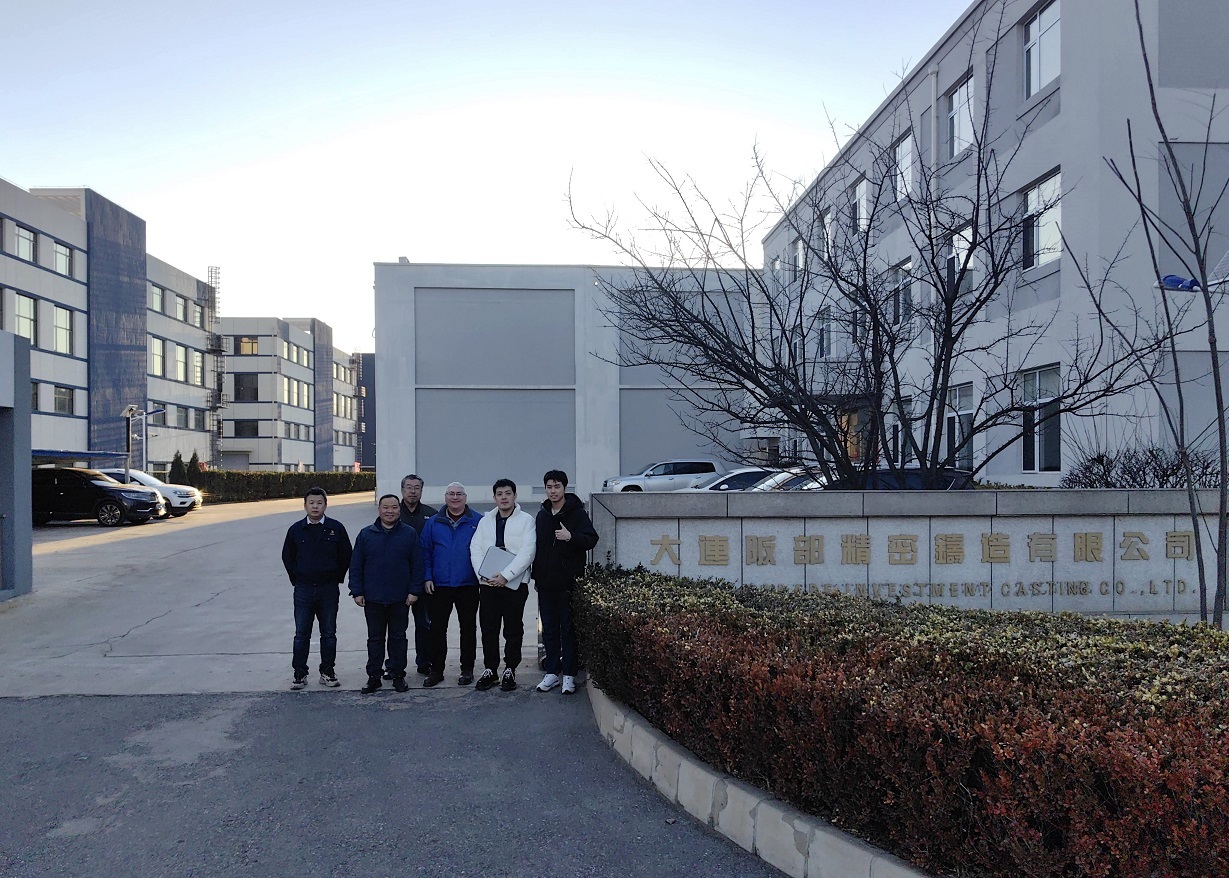
It is pleased that partner NME come to visit us Sakabe foundry
It is pleased that partner NME come to visit us Sakabe foundry. We share the same philosophy about quality standards, product positioning, environmental protection, and sustainable development. It's lucky to meet like-minded partners!
2025/02/19
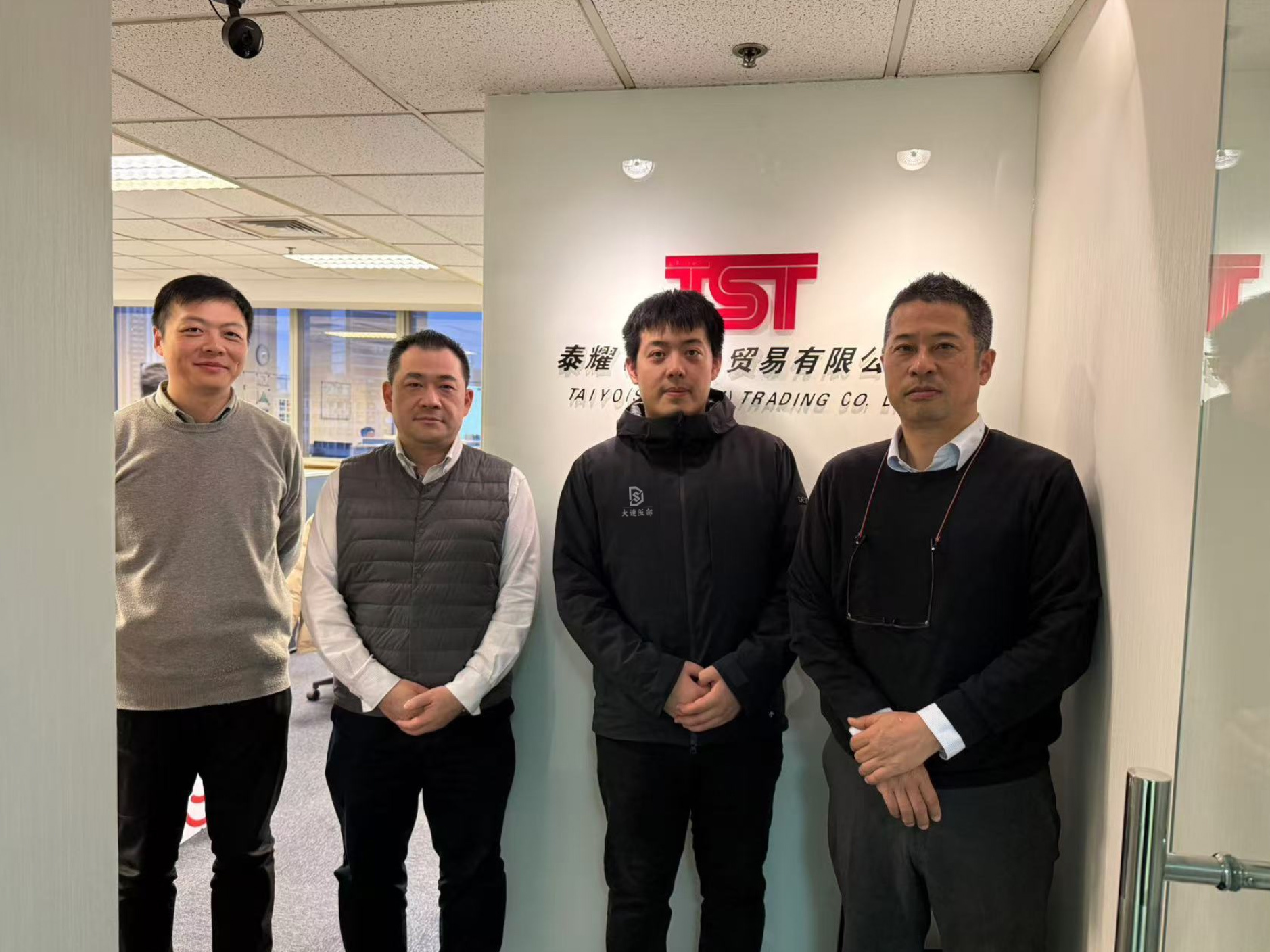
Great meeting with partner in Shanghai
Dalian Sakabe paying visit to our partner TST in Shanghai. Had discussions and plans for long term co-operation. Great thanks for your support!
2025/01/02
CONTACT US
Tel: +86 136-5494-1611
E-mail: alexzheng@sakabe.cn
Office Address:
No.18 Dongbei Qi Street, Jinpu New Area, Dalian, Liaoning, China
Factory Address:
No.26 Fuan Street, Jinpu New Area, Dalian, Liaoning, China
