


Unveiling the Secrets of the Best Textile Machinery Parts Casting
1. Understanding Textile Machinery Parts Casting
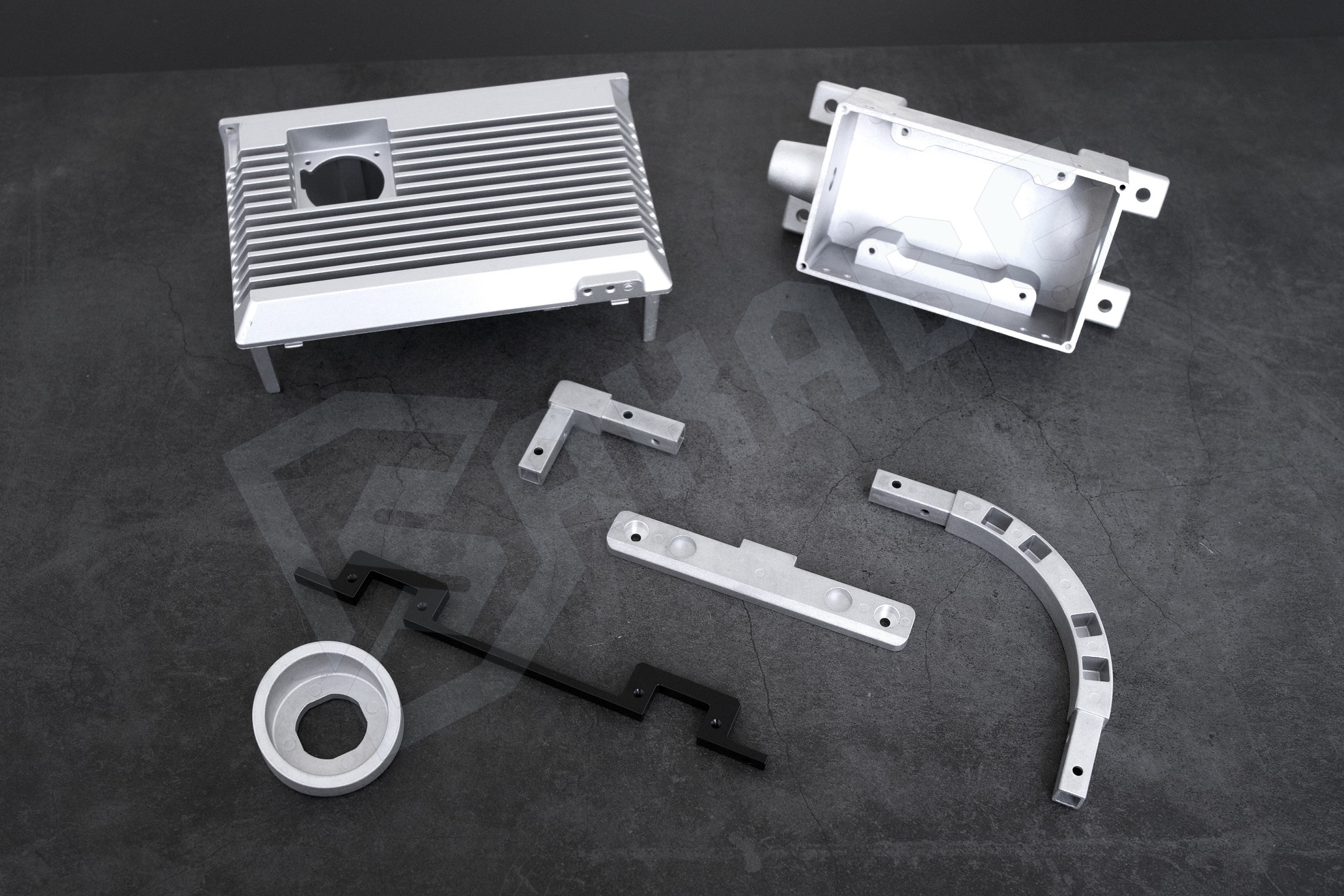
Casting is a fundamental process in manufacturing textile machinery parts. It involves pouring molten material into a mold to create solid components, which are essential for various functions in textile production. Understanding the nuances of casting can lead to the production of superior-quality machinery parts that enhance efficiency and longevity.
2. Importance of Quality Casting in Textile Machinery
Quality casting is critical in textile machinery due to the high-stress environments in which these machines operate. Durable and reliable components minimize downtime and maintenance costs. High-quality casting ensures that parts can withstand the rigors of textile manufacturing, leading to increased productivity and reduced operational costs.
3. Materials Used in Textile Machinery Parts Casting
The choice of materials is crucial in the casting process. Different materials offer varying benefits in terms of strength, durability, and cost.
3.1. Types of Metals for Casting
Common metals used in the casting of textile machinery parts include iron, aluminum, and steel. Each of these materials has unique properties that make them suitable for different applications. For instance, cast iron is known for its excellent wear resistance, while aluminum is favored for its lightweight characteristics.
3.2. Alloys and Their Applications
Alloys play a significant role in casting, as they are often tailored to meet specific requirements. Bronze and brass, for example, are alloys that provide excellent corrosion resistance, making them ideal for parts that come into contact with chemicals in textiles.
4. The Casting Process Explained
The casting process comprises several steps, each critical to ensuring the quality of the final product.
4.1. Sand Casting vs. Die Casting
Sand casting is one of the most traditional methods, allowing for intricate designs and larger parts. In contrast, die casting is suitable for producing high volumes of smaller parts with great precision. The choice between these methods depends on production requirements and design specifications.
4.2. Investment Casting Techniques
Investment casting, also known as lost-wax casting, allows for the creation of highly detailed parts. This technique is particularly useful for complex geometries and tight tolerances required in textile machinery components.
5. Best Practices for Textile Machinery Parts Casting
Implementing best practices in the casting process is vital for achieving optimal results.
5.1. Inspection and Quality Control
Regular inspection and adherence to quality control standards ensure that each component meets the required specifications. Non-destructive testing methods can be employed to assess the integrity of cast parts without causing damage.
5.2. Choosing the Right Foundry
Selecting a reputable foundry can significantly impact the quality of the casting. Look for foundries with experience in textile machinery parts and a proven track record of quality.
6. Innovations in Textile Machinery Parts Casting
The casting industry is evolving with technological advancements that enhance production efficiency and quality.
6.1. 3D Printing in Casting
3D printing has emerged as a revolutionary technique in casting. It allows for rapid prototyping and the production of complex parts that traditional methods cannot achieve. This innovation has the potential to significantly reduce lead times and costs.
6.2. Automation and Robotics
The integration of automation and robotics in the casting process increases precision and efficiency. Automated systems can handle repetitive tasks such as pouring and molding, reducing human error and improving productivity.
7. Challenges in Parts Casting for Textile Machinery
Despite advancements, challenges persist in the casting of textile machinery parts. These include maintaining dimensional accuracy, managing costs, and ensuring the integrity of materials.
Understanding the intricacies of textile machinery parts casting is essential for achieving high-quality components that enhance productivity and durability in textile manufacturing. By focusing on material selection, embracing innovative casting techniques, and adhering to best practices, manufacturers can unlock the full potential of their machinery. As the industry continues to evolve, staying informed about new technologies and methods will ensure a competitive edge in the market.

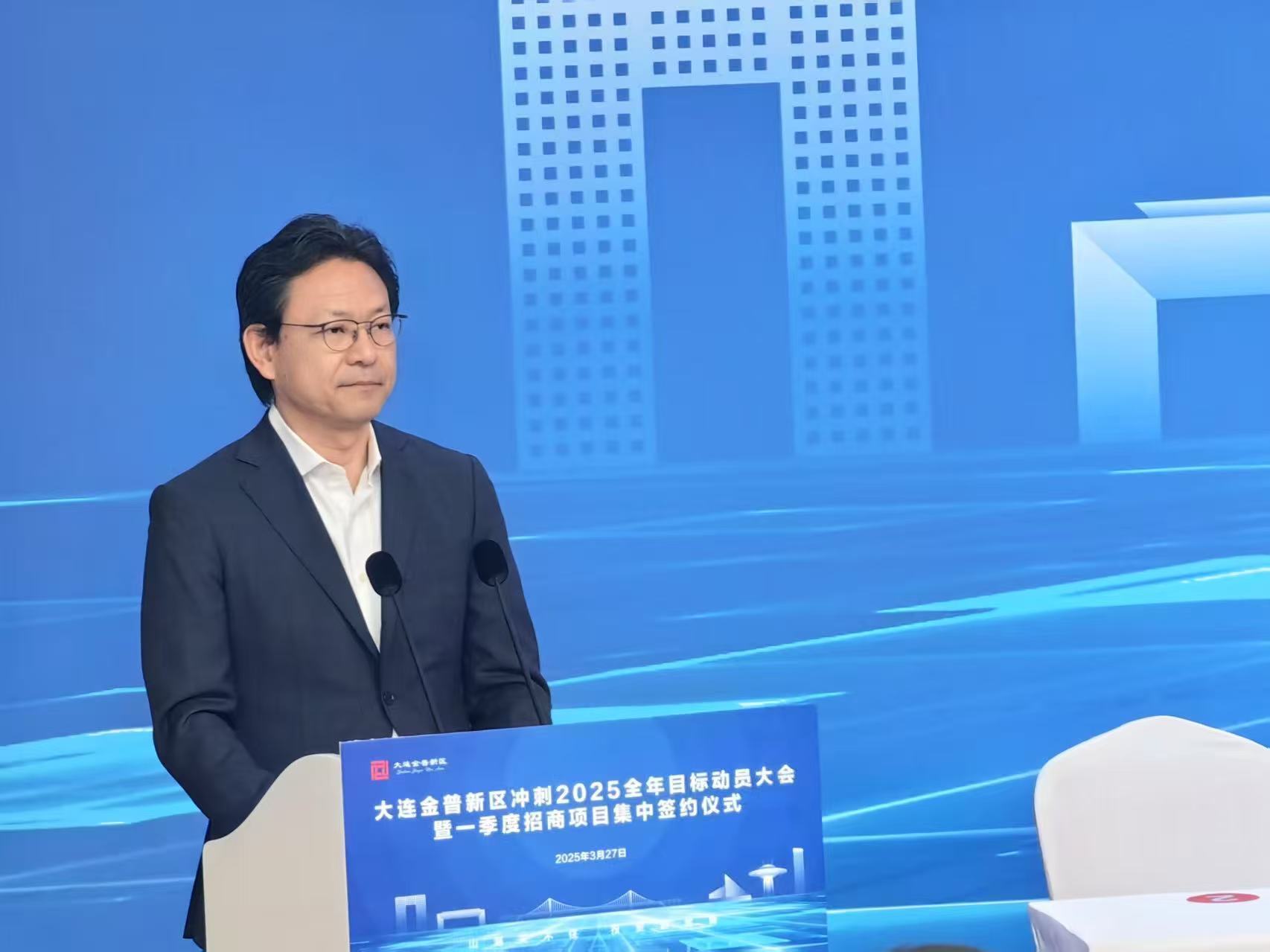
Dalian Sakabe was invited to participate in the Dalian investment promotion project ceremony
On March 27, 2025, Dalian Sakabe, as an advanced foreign-funded enterprise in Dalian, was invited to participate in the investment promotion project ceremony of Dalian China.
2025/04/01
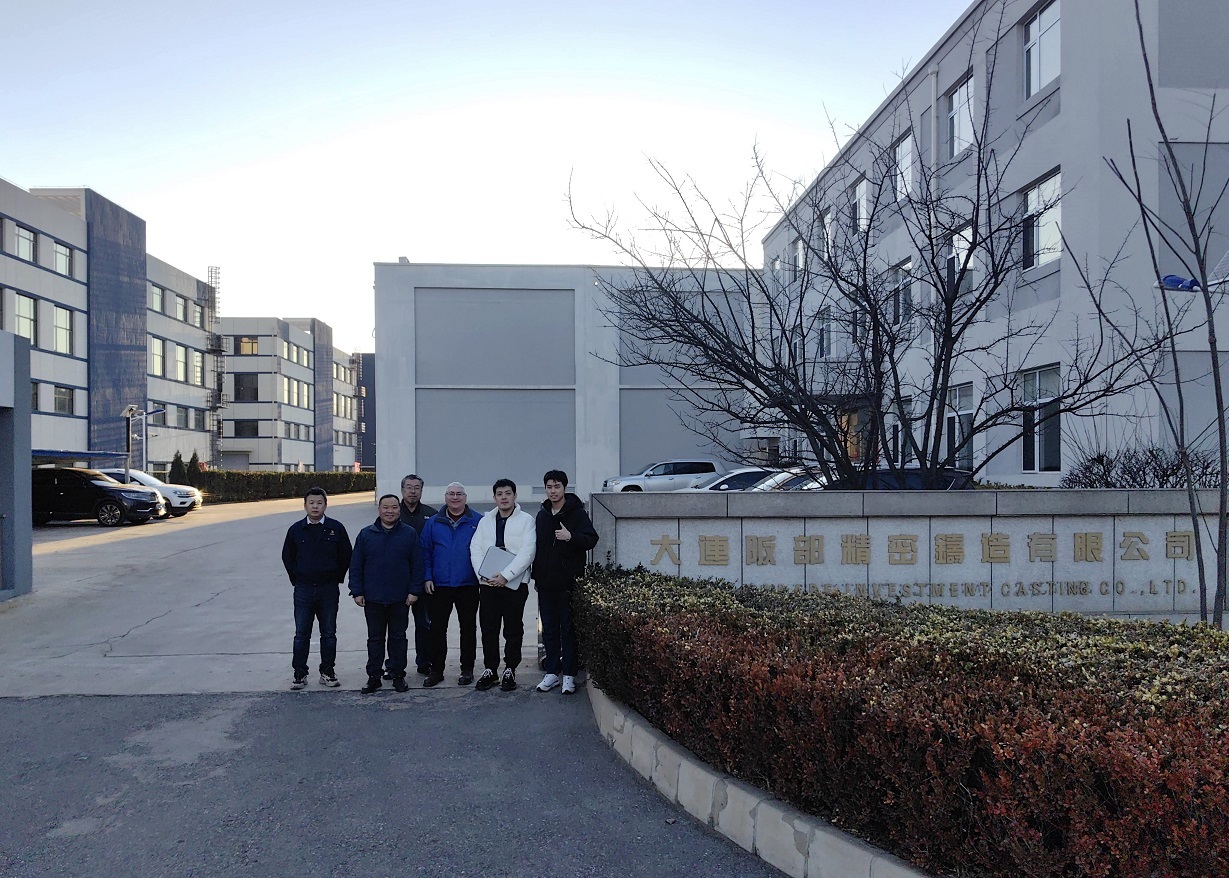
It is pleased that partner NME come to visit us Sakabe foundry
It is pleased that partner NME come to visit us Sakabe foundry. We share the same philosophy about quality standards, product positioning, environmental protection, and sustainable development. It's lucky to meet like-minded partners!
2025/02/19
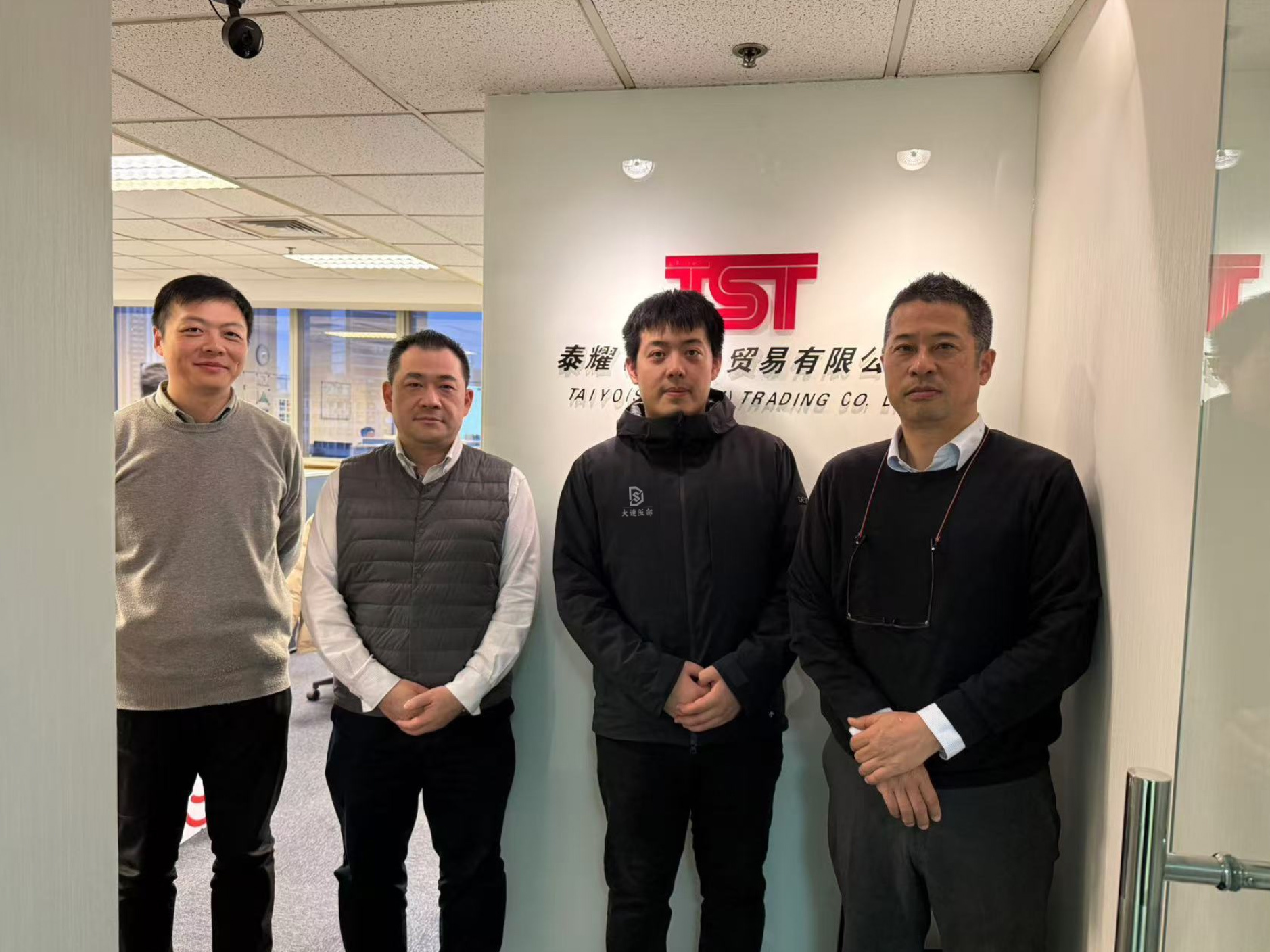
Great meeting with partner in Shanghai
Dalian Sakabe paying visit to our partner TST in Shanghai. Had discussions and plans for long term co-operation. Great thanks for your support!
2025/01/02
CONTACT US
Tel: +86 136-5494-1611
E-mail: alexzheng@sakabe.cn
Office Address:
No.18 Dongbei Qi Street, Jinpu New Area, Dalian, Liaoning, China
Factory Address:
No.26 Fuan Street, Jinpu New Area, Dalian, Liaoning, China
